If you’ve ever stood in the cleaning aisle feeling overwhelmed, you’re not alone. Motivation usually isn’t the issue—the real hurdle is figuring out which tools actually work and won’t waste your time or money. Consider this your no‑nonsense guide to top home cleaning tools, with practical picks, clear instructions, and smart upgrades. You’ll learn to build a compact kit that handles about 80% of chores, choose the right vacuum and mop for your floors, sanitize kitchens and bathrooms safely, and keep dust and allergens under control. Let’s turn “endless cleaning” into a fast, repeatable routine that leaves your space genuinely sparkling.
The Core Kit That Solves 80% of Everyday Messes
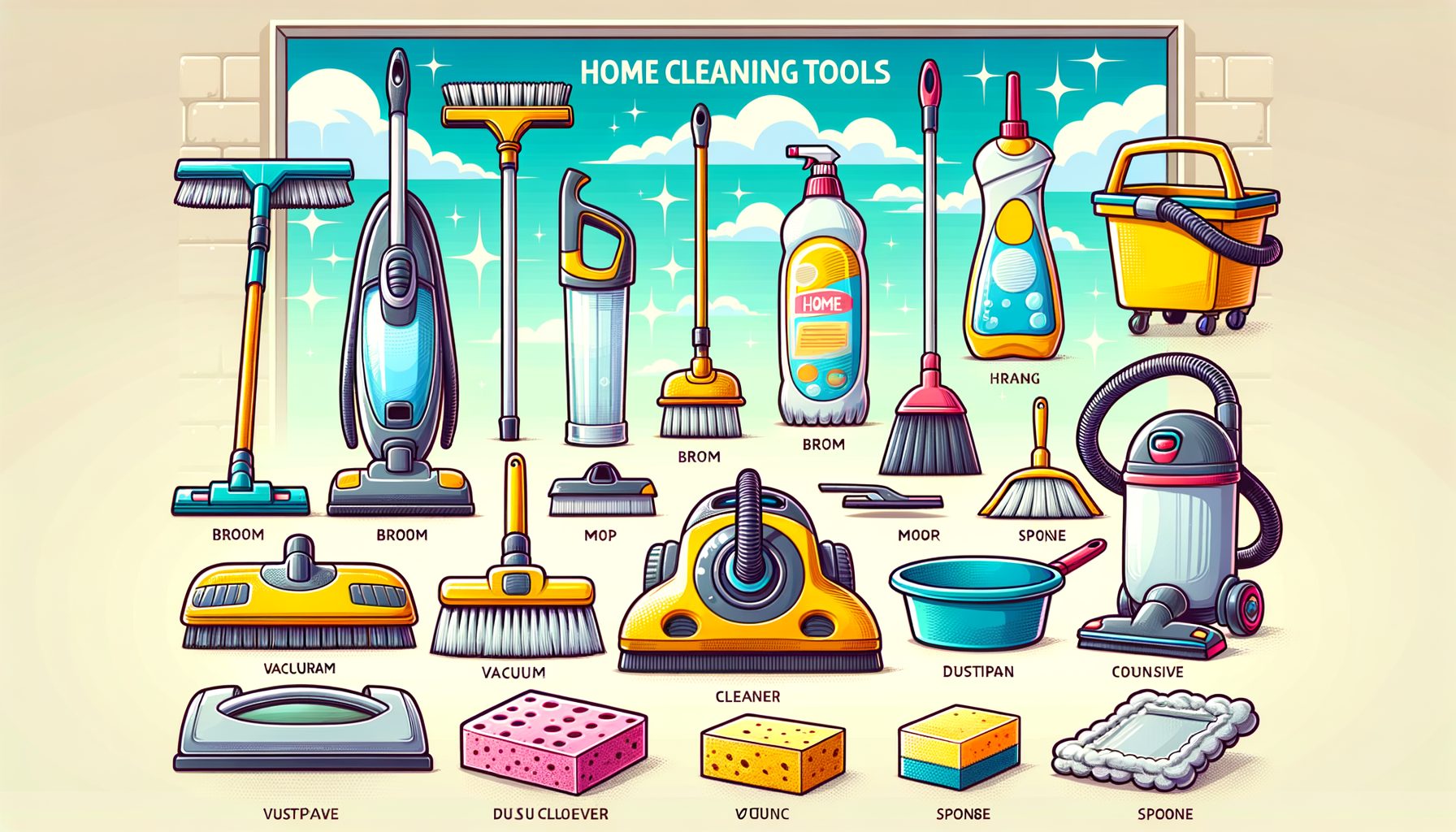
You don’t need a closet full of gadgets—just a tight, reliable set that tackles most messes quickly. Start with the essentials below and you’ll cover nearly every daily task without clutter or complexity:
– HEPA vacuum (sealed system): Fine dust, pet dander, and allergens get captured instead of blown back into the air. A sealed body plus a true HEPA filter keeps the air cleaner while you move across floors, upholstery, and baseboards.
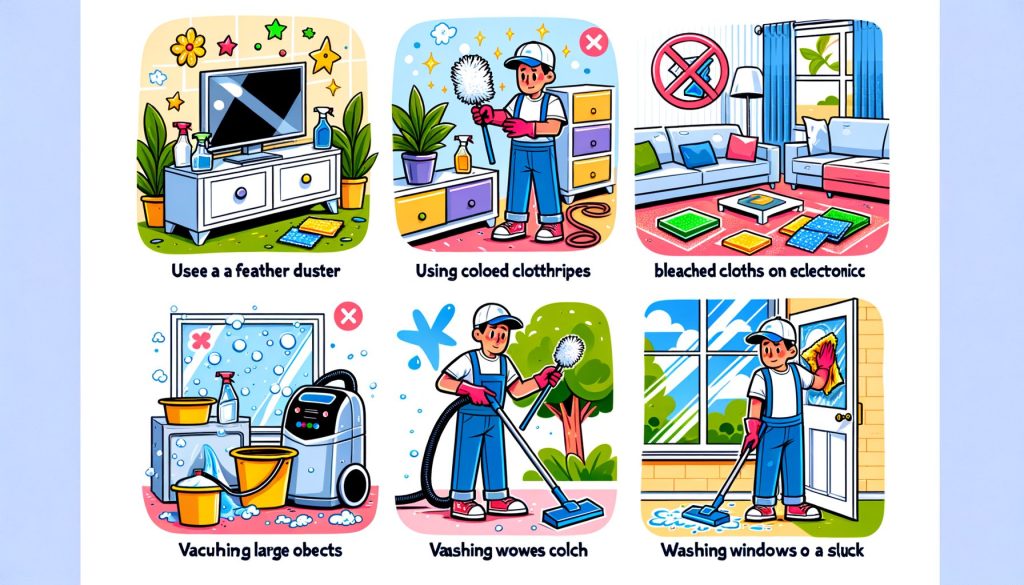
– Microfiber cloths (color-coded): Assign colors to kitchens, bathrooms, glass, and general dusting to avoid cross-contamination. Quality microfiber grips dust and grease better than cotton, so you’ll use fewer chemicals and fewer passes.
– Flat microfiber mop with removable pads: Built for hardwood, tile, vinyl, and laminate. Swap pads by room and launder them to stay sanitary. A spray-mop body or double-bucket setup keeps dirty water from redepositing grime.
– Non-scratch scrub pads and a detail brush set: Think stove grates, grout lines, faucets, and tight crevices. A stiff grout brush pairs well with a softer bottle brush to cover both delicate and heavy-duty scrubbing.
– Extendable duster: Fans, lights, tops of cabinets, and vents are easy to reach—no ladder required. Choose a washable microfiber head to reduce waste and recurring costs.
– Squeegee: Shower walls and mirrors clear in seconds, which prevents water spots and soap scum. Windows get a fast, streak-free finish too.
– Two labeled spray bottles: Reserve one for a neutral multi-surface cleaner and one for disinfectant (as needed). Clear labels and simple recipes keep your routine safe and repeatable.
– A sturdy caddy and reusable gloves: A lightweight caddy keeps tools within reach, and reusable gloves protect skin while speeding up sink and toilet tasks.
To use the kit well, work top-to-bottom, left-to-right, one room at a time. Keep cloths and mop pads sorted by color so bathroom textiles never touch kitchen surfaces. Launder microfiber without fabric softeners (they cut absorbency) and use low heat to extend life. Refill spray bottles during a weekly reset so supplies are always ready. The result is less decision fatigue and a home that basically runs on autopilot.
| Tool | Best For | Key Spec to Check | Typical Price Range | Time Saved/Week (est.) |
|---|---|---|---|---|
| HEPA Vacuum | Dust, hair, carpets, upholstery | Sealed system + true HEPA | $120–$500 | 20–40 minutes |
| Flat Microfiber Mop | Hard floors (wood, tile, vinyl) | Swappable pads, low-friction glide | $20–$70 | 10–25 minutes |
| Color-Coded Cloths | Dusting, glass, counters | Dense weave, stitched edges | $10–$30 (set) | 10–15 minutes |
| Detail Brushes | Grout, faucets, appliances | Mixed bristle types | $8–$25 | 5–10 minutes |
| Squeegee | Showers, mirrors, windows | Flexible blade, comfortable grip | $8–$25 | 5–10 minutes |
Note: Time savings are estimates for typical two- to three-bedroom homes; your results will vary with household size, pets, and floor type.
Floors: Choosing the Right Vacuum, Mop, and Broom for Your Space
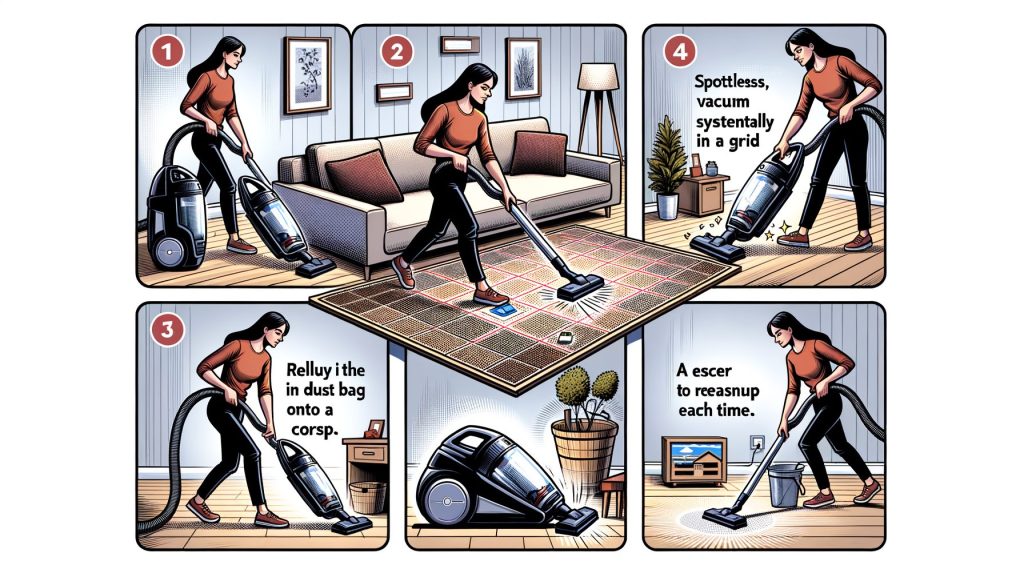
Floor care is where many households lose time. The solution is to match tools to surfaces and streamline the workflow. In most homes, a lightweight, sealed HEPA vacuum is the MVP. Uprights excel on wall-to-wall carpet, while canister and cordless stick models are nimble on hard floors and mixed spaces. Look for a brushroll you can switch off (or replace with a soft roller) on delicate hard floors, plus height adjustment for thick rugs. Pet owners and long-haired households will appreciate a tangle-resistant brushroll or a comb-style guard—snags are minimized, and maintenance is faster. Cordless sticks shine for daily touch-ups; however, deeper cleans or larger homes often favor a corded upright or canister.
A robot vacuum can also be a powerful assistant if floors are clutter-free and maintenance stays on schedule (empty the bin, clean sensors, detangle brushes). It won’t replace edge work or stairs, but running it three to five days a week keeps dust down between deeper sessions, especially with pets.
When mopping, flat microfiber outperforms string mops for speed and hygiene. The pads glide easily, reach under furniture, and use less water—crucial for wood and laminate. Use a neutral pH cleaner on sealed hardwood and luxury vinyl, and avoid over-wetting to protect seams and finish. Steam mops can do well on sealed tile but are risky on wood; many wood-floor experts advise against steam due to heat and moisture that can warp planks or dull finishes. The National Wood Flooring Association offers straightforward guidance for safe hardwood maintenance (see Sources).
Keep a quality angle broom and dustpan for quick crumbs and corners, though a vacuum often beats a broom on hard floors for both speed and dust capture. Then this: combine tasks into a fast loop—vacuum high-traffic areas daily (or every other day), spot-mop spills immediately, and schedule a weekly vacuum-and-mop pass. Maintain your tools, too: rinse mop pads after use, launder them in a mesh bag, wash or replace vacuum filters on schedule, and cut hair from the brushroll regularly. With five minutes of upkeep, tool lifespan can double and performance stays strong.
Kitchens and Bathrooms: Clean vs. Disinfect, and the Tools That Make It Easy
Plenty of people overuse harsh chemicals yet still miss critical steps. Well, here it is: cleaning (removing dirt and residues) comes before disinfecting (killing germs). Disinfectants work poorly on dirty surfaces. For daily upkeep, a neutral cleaner and microfiber cloth usually do the job; save disinfectants for high-touch spots, raw-meat messes, or when illness is present.
When disinfecting is needed, choose an EPA-registered product on “List N” and follow the labeled contact time—wiping too soon reduces effectiveness. Ventilate the room, wear gloves for stronger chemicals, and never mix products (especially bleach with ammonia or acids). For stone counters like granite or marble, acidic cleaners and vinegar can etch; go with a pH-neutral stone-safe cleaner instead.
Essential kitchen tools include a non-scratch scrub pad for pans and stovetops, a razor scraper for glass cooktops (used gently), a bottle brush for narrow items, and a few glass/polish microfiber cloths for that final streak-free wipe on stainless and glass. Work top-to-bottom: upper cabinets and appliances, then counters, then the sink, and finally the floor. What’s interesting too: a drop of diluted dish soap in warm water removes fingerprints on stainless; finish with a damp microfiber and buff dry with a second cloth—no oily polishes required.
Bathrooms respond best to a “pre-spray and wait” routine. Mist shower walls and the tub with cleaner and let it dwell for a few minutes before scrubbing; soap scum softens and scrubbing effort drops. A stiff-bristle grout brush plus a handheld non-scratch pad erases buildup in corners and around faucets. Keep a squeegee in the shower and use it after each rinse; that 30-second habit dramatically slows mineral deposits and mildew. Clean the toilet last with a dedicated brush and a bathroom-only microfiber cloth to avoid cross-use. To reduce odor and residue, let the toilet brush drip-dry between the bowl rim and seat for a minute before returning it to the holder.
Make it sustainable: refill concentrates into your labeled bottles to reduce plastic waste and cost. Microfiber cloths and mop pads are washable—stash dirties in a ventilated bag and launder them in one weekly batch. These simple upgrades make routines safer, greener, and easier to repeat.
Air, Dust, and Fabrics: Microfiber, HEPA, and Habits That Keep Homes Fresher
Shiny counters are great, but clean air is the secret win. Dust contains fibers, soil, skin cells, pollen, pet dander, and even combustion particles. The best strategy pairs capture (microfiber and HEPA) with prevention (filtration and humidity control).
Microfiber earns its keep because ultrafine split fibers boost surface area and create mechanical and electrostatic pickup. Used slightly damp, it traps particles instead of pushing them around. Care matters: wash microfiber separately from linty laundry, skip fabric softeners and dryer sheets (they coat fibers), and dry on low heat. Proper care preserves the grabby texture and extends lifespan for hundreds of uses.
Vacuuming with a sealed HEPA machine removes fine dust from carpets, rugs, and sofas—jobs a broom or basic stick vac can’t truly handle. Empty the dust bin or bag before it’s packed, ideally outdoors to keep fine particles out of your living space. Households with allergies or pets benefit from a weekly upholstery pass (sofas, chairs, mattresses) using the crevice and upholstery tools.
Consider adding filtration as well. A room air purifier sized correctly and verified by a standard like AHAM’s CADR (Clean Air Delivery Rate) can remove airborne particles efficiently; pick a true HEPA model and run it on auto or medium to balance noise and performance. If your central HVAC allows, upgrading to a higher MERV filter (often MERV 13, when compatible) improves whole-house capture of fine particles—always follow system guidelines to protect airflow and equipment.
Humidity influences dust and allergen growth, too. Keeping indoor relative humidity around 40–50% discourages dust mites and mold while staying comfortable. Simple habits help: doormats at every entrance, a quick shake of throw rugs outdoors, and laundering bedding weekly in hot water per fabric instructions. Blend these air and fabric strategies with your tool kit, and your home will feel cleaner even between deep cleans.
Q&A: Quick Answers to Common Cleaning Tool Questions
Q: How many cleaning tools do I really need?
A: Most homes can tackle daily and weekly chores with 8–10 tools: a HEPA vacuum, flat microfiber mop with extra pads, color-coded microfiber cloths, non-scratch scrub pads, detail brushes, an extendable duster, a squeegee, two labeled spray bottles, and a basic caddy with gloves.
Q: Is a steam mop safe for all floors?
A: No. Steam is usually fine on sealed tile and some vinyl, but it’s risky for hardwood and laminate. Many wood-floor authorities recommend avoiding steam to prevent heat/moisture damage. Check your floor manufacturer’s guidance.
Q: Do I need a HEPA vacuum if no one has allergies?
A: It still helps. HEPA plus a sealed system reduces fine dust in the air and on surfaces, improving overall cleanliness and indoor air quality. It’s especially useful if you have pets, rugs, or kids tracking in debris.
Q: How often should I replace microfiber cloths and mop pads?
A: With proper care (no softeners, low heat), quality microfiber can last for hundreds of washes. Replace when the fabric loses its grab, starts leaving streaks, or the edges unravel.
Q: What’s the safest way to disinfect kitchen and bathroom surfaces?
A: Clean first to remove grime, then apply an EPA-registered disinfectant and respect the label’s contact time. Ventilate, wear gloves, and never mix cleaning chemicals.
Conclusion: Make Clean Simple, Fast, and Repeatable
Here’s what we covered: a focused set of tools that deliver results without clutter—a sealed HEPA vacuum; microfiber cloths and mop pads; non-scratch scrubbers and detail brushes; an extendable duster; a squeegee; and a couple of clearly labeled spray bottles. You also learned how to match vacuums and mops to your floors, why cleaning must precede disinfecting, and how microfiber care, HEPA capture, filtration, and humidity control raise your home’s baseline cleanliness. Move through rooms faster, avoid rework, and keep air and surfaces genuinely cleaner day after day.
Ready to act? Build your core kit this week—start with microfiber cloths, a flat mop, and a reliable vacuum if you’re missing any. Label your bottles, color-code your cloths, and try the top-to-bottom, left-to-right flow on your next clean. If you want to level up, add a room air purifier sized to your space and keep a shower squeegee within reach. Small, consistent upgrades beat occasional marathon cleans every time.
Your space doesn’t need more effort; it needs the right system. Choose smarter tools, follow a simple sequence, and make maintenance effortless. You’ve got this—one room, one pass, one better habit at a time. What’s the first tool from this list you’ll add (or upgrade) to make your routine faster this week?
Sources and Helpful Links:
– EPA List N: Disinfectants for Use Against SARS‑CoV‑2: https://www.epa.gov/pesticide-registration/list-n-disinfectants-use-against-sars-cov-2
– CDC: Cleaning and Hygiene at Home: https://www.cdc.gov/hygiene/cleaning
– EPA: What is a HEPA filter? https://www.epa.gov/indoor-air-quality-iaq/what-hepa-filter
– ASHRAE: Filtration and Disinfection FAQ (MERV guidance): https://www.ashrae.org/technical-resources/filtration-and-disinfection-faq
– National Wood Flooring Association: Cleaning & Maintenance: https://www.woodfloors.org/cleaning-and-maintenance.aspx
– Natural Stone Institute: Care and Cleaning of Natural Stone: https://www.naturalstoneinstitute.org/consumers/care/
– AHAM Verifide: Room Air Cleaners and CADR: https://www.ahamdir.com/consumer/room-air-cleaners/
– ENERGY STAR: Air Purifiers/Cleaners: https://www.energystar.gov/products/air_purifiers_cleaners