Welcome to the Ultimate Home Cleaning Guide—your room-by-room playbook and checklist built to cut through confusion so you clean faster with less stress. Overwhelmed by mess? Short on time? Unsure where to start? You’re not alone. Laziness isn’t the culprit; decision fatigue, cluttered routines, and mismatched products usually are. In the pages ahead, a clear, professional game plan awaits—ready to use today in a studio or a multi-room home.
Why Cleaning Feels Overwhelming (And How to Fix It)
Cleaning rarely feels hard; it feels vague. Without a system, minutes get wasted hunting for tools, the same spot gets cleaned twice, and tasks are forgotten until grime builds. Weekend-long marathons follow. The U.S. American Time Use Survey shows adults spend about an hour a day on household activities, yet a chunk evaporates while switching tasks or locating supplies rather than cleaning itself. The smarter move isn’t to push harder—it’s to standardize steps so effort compounds.
Eliminate friction first. Assemble a small “go bag” of essentials—microfiber cloths, an all-purpose cleaner, glass cleaner, disinfecting wipes or spray, a scrub brush, gloves, and trash bags—so a 10-minute reset is always within reach. Store everything in one reliable spot; your future self will thank you. Next, map a simple order of operations so there’s no guessing. Professionals run this sequence: declutter, dust high to low, wipe, scrub, floors last. Follow it and rework is avoided (think dust dropping onto freshly mopped floors). Your energy is protected because there’s no constant context-switching.
Now decide what “clean enough” means. Perfection slows you down—and paradoxically triggers procrastination. Set time boxes: 10-minute daily resets, 30–45 minutes weekly per zone, and one deep dive per month. That rhythm suits most homes and flexes for roommates, families, or solo living. Match effort to impact, too. High-touch surfaces (handles, light switches, remotes, faucet levers) deserve frequent attention because they accumulate germs and grime fast. The CDC recommends routine cleaning and disinfecting of frequently touched surfaces, especially when someone’s ill, which can drastically reduce illness spread. With a clear sequence, a ready kit, and smart priorities, overwhelm gives way to routine—and routine produces results.
The Smart Setup: Tools, Products, and a 30-60-90 Plan
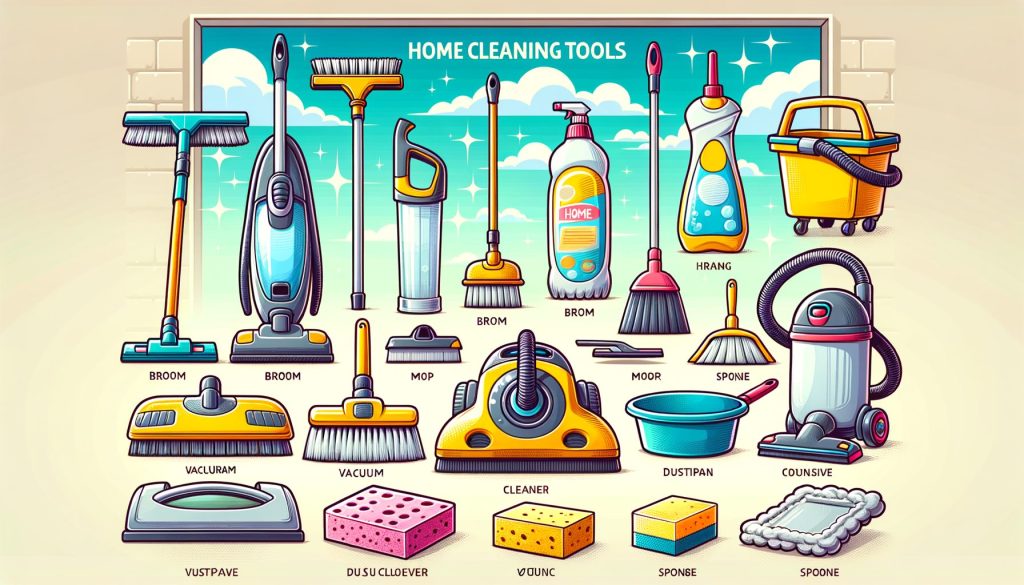
A compact, reliable kit beats a cabinet full of specialty products. Core tools include a HEPA-filter vacuum (captures fine dust and allergens), a flat mop with washable pads, 6–8 microfiber cloths (color-code by zone), a squeegee (glass and shower doors), a grout/crevice brush, and a lint roller (quick dusting for lampshades and upholstery). For products, stock an all-purpose cleaner, a glass cleaner, a bathroom descaler, dish soap (a gentle grease-cutter), a disinfectant for high-touch areas, and baking soda for mild abrasion. If low-tox is your goal, look for the EPA Safer Choice label or check product safety data. Read labels every time—clean first, disinfect second if needed, and never mix chemicals (especially bleach with ammonia).
Stick to a 30-60-90 rhythm to stay on track: 30-second micro-tasks (wipe the sink after use), 60-minute weekly zones (kitchen or bathrooms), and 90-minute monthly deep cleans (appliances, baseboards, under furniture). Momentum over marathons is the aim. Below is a quick frequency-and-time snapshot you can adapt to your home size and lifestyle.
| Task | Recommended Frequency | Typical Time | Why It Matters |
| High-touch surfaces | Daily or every 2–3 days | 5–10 min | Reduces germ transfer; fast win |
| Kitchen counters & sink | Daily | 5–15 min | Grease and food residue build quickly |
| Bathroom wipe-down | 2–3 times/week | 10–15 min | Prevents soap scum and limescale |
| Floors (vacuum/sweep) | Weekly; more with pets | 15–30 min | Dust, allergens, and grit removal |
| Appliances (oven, fridge) | Monthly | 30–60 min | Efficiency, odor, and food safety |
| Windows/mirrors | Monthly | 20–30 min | Light and visibility boost |
| Declutter hotspots | Weekly | 10–20 min | Reduces visual stress, speeds cleaning |
To cut costs, choose reusable microfiber over disposable wipes and wash cloths in warm water (skip fabric softener so fibers stay grippy). Ventilate by opening windows when using strong products, and run bathroom fans during and after showers. If pets share your home, add a rubber squeegee or pet hair brush; they outperform vacuums on upholstery. For sustainability and safety, see the EPA’s Safer Choice database and disinfectant lists, and the CDC’s cleaning guidance for illness scenarios.
Helpful resources:
CDC: Cleaning and disinfecting basics |
EPA Safer Choice |
Consumer Reports: Vacuum buying guide
Room-by-Room Tips & Checklist: Kitchen, Bathroom, and Laundry
Kitchens and bathrooms are hygiene-critical and benefit most from a tight sequence. Start with the kitchen. Grease meets crumbs here, and food safety matters. Step 1: Declutter counters—move appliances you don’t use daily and give every item a “home.” Step 2: Pre-treat stuck messes. Spray stove tops, backsplash, and the microwave interior; let dwell time do the heavy lifting. Step 3: Load or hand-wash dishes; leave the sink for last so it stays spotless. For stainless, sprinkle baking soda for a gentle polish, rinse, and dry to prevent water spots. Wipe counters from high to low, back to front. Don’t skip cabinet pulls and fridge handles—high-touch hotspots.
Kitchen checklist (fast to deep):
– Daily: Dishes, wipe counters and table, sweep crumbs, empty trash if smelly.
– Weekly: Degrease stove knobs and hood, clean microwave (steam with a lemon-water bowl for 3 minutes), spot-clean cabinet fronts, mop floors.
– Monthly: Fridge clean-out (check expiry, wipe shelves), oven deep-clean (use product or self-clean per manual), descale kettle/coffee maker, sanitize cutting boards.
Bathrooms demand moisture management. Ventilate first: run the fan and open a window if possible. Spritz shower walls and glass with a bathroom cleaner and let it sit while you tackle the toilet. For the toilet, apply bowl cleaner under the rim, let dwell, and scrub. Wipe the exterior, flush handle, and base. Return to the shower: scrub from top tiles down to the tub, then squeegee glass to prevent spots. Use a descaler on fixtures with hard-water buildup; a dedicated grout brush fights mold and soap scum lines. Finish with the vanity: mirror (top to bottom), faucet, sink, then counter. Hang a microfiber cloth on a hook to encourage quick post-shower wipe-downs that can cut weekly scrubbing in half.
Bathroom checklist:
– 2–3x per week: Quick wipe of sink and faucet, toilet seat and handle, squeegee shower glass.
– Weekly: Full toilet clean, shower/tub scrub, mop floor, launder mats and towels.
– Monthly: Descale showerhead (soak in vinegar if compatible), wash shower curtain/liner, clean exhaust fan grille.
Laundry acts as the home’s reset button. Sort by function if space is tight: everyday wear, linens/towels, activewear. Pre-treat stains as soon as you notice them; time is everything. Don’t overload the machine—clothes need room to agitate. Clean the lint trap every cycle to improve efficiency and reduce fire risk. Once a month, run a washer cleaning cycle with the manufacturer’s recommended cleaner or a hot wash to reduce odor-causing buildup. Fold immediately or hang to prevent wrinkling, and keep a small donation bag near your closet to offload items as you go—decluttering at the source saves future time.
Extra resources:
NSF study: Germiest places in your home |
Energy.gov: Maintaining appliances
Room-by-Room Tips & Checklist: Living Room, Bedroom, Workspace, and Entry
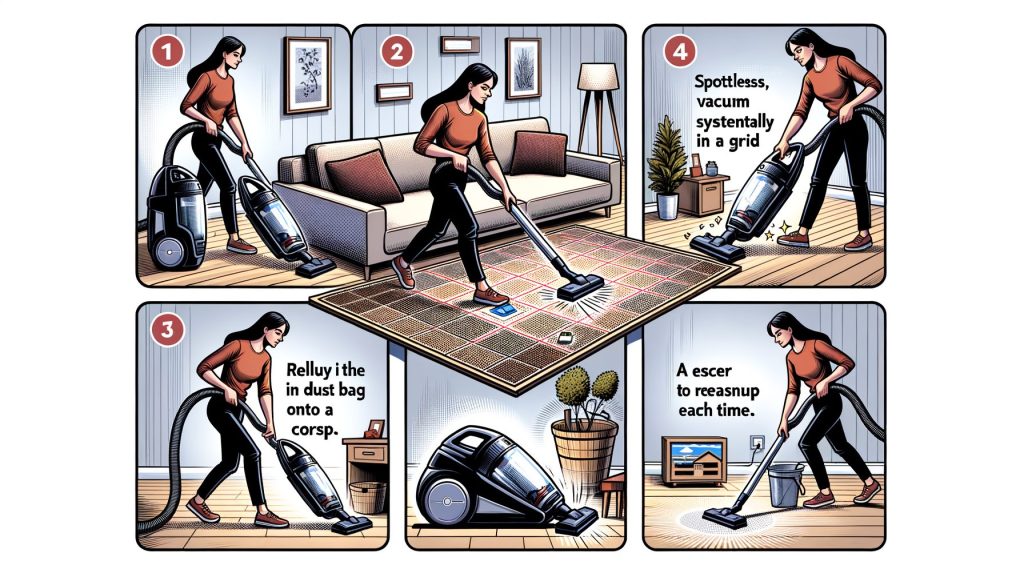
Living areas and bedrooms are where dust, textiles, and clutter collide. Create a “reset zone” in each space: a small basket or tray for remotes, chargers, and mail. Begin with a 3-minute tidy—pillows, blankets, surfaces clear. Dust from high to low: ceiling fan, light fixtures, shelves, frames, and electronics. Use a slightly damp microfiber cloth to trap dust (dry cloths can scatter it). For screens, pick a screen-safe cloth and cleaner. Vacuum upholstery with a brush attachment; if you have pets, lift fur first with a rubber pet hair tool. Shift small furniture to reach edges—most dirt is trapped along baseboards and under sofas. Finish with floors: vacuum carpets slowly in overlapping passes; mop hard floors with a light, even spray to avoid streaks.
Living room checklist:
– Daily or as needed: Tidy surfaces, fold throws, corral remotes.
– Weekly: Dust tops and fronts of furniture, clean mirrors, vacuum floors and upholstery.
– Monthly: Wash throws and cushion covers (check labels), clean under and behind furniture, wipe baseboards.
Bedrooms thrive on simple systems. Make the bed daily—it instantly improves how the room feels and keeps dust off linens. Keep nightstands minimal (lamp, water, book) to speed up dusting. Rotate and launder sheets weekly for freshness and better sleep; duvet covers every 2–4 weeks. If allergies are a concern, run a HEPA vacuum over mattresses and wash pillow protectors monthly. A small hamper per person prevents laundry pileups. If your closet is a pain point, impose the “one in, one out” rule and keep a donation bag accessible.
Bedroom checklist:
– Daily: Make bed, clear surfaces.
– Weekly: Change sheets, dust headboard and lamps, vacuum fully.
– Monthly: Vacuum mattress and under-bed, wash duvet cover/pillow protectors.
Workspaces benefit from a five-object rule: only five permanent items on your desk (laptop, monitor, lamp, pen cup, notepad). Everything else goes into a drawer or organizer. Wipe your keyboard and mouse weekly; they’re high-touch. Manage cables with clips to simplify dusting. The entryway sets your home’s cleanliness tone—add a doormat outside and in to catch most incoming dirt, and place a shoe rack or tray to prevent tracked debris. A wall hook or bowl for keys and a small recycling bin for mail help you control clutter at the door.
Entry and workspace checklist:
– Daily: Shoes off, mail sorted, quick desk reset.
– Weekly: Vacuum entry rug, wipe door handles and switches, clean keyboard/mouse.
– Monthly: Wash doormats, declutter hooks and baskets.
For additional guidance, check:
WHO: Hygiene basics |
BLS: American Time Use Survey
Conclusion: Make Clean Your Default (In 20 Minutes a Day)
Here’s the big picture: overwhelm is beaten with a simple system, not more effort. You’ve seen why cleaning drags on (decision fatigue, poor sequence), how a smart setup and 30-60-90 plan cut time, and exactly what to do in each room with practical, room-by-room checklists. Declutter first, clean high to low, finish with floors; rework disappears. Prioritize high-touch areas and lean on the right tools—microfiber, HEPA vacuum, squeegee—for professional results without professional hours. Short daily resets plus weekly zone sessions keep mess from getting a head start.
Act now: pick one zone—kitchen, bathroom, or living room—and set a 15-minute timer. Run the sequence: declutter, dust high to low, wipe, scrub if needed, floors last. Next, schedule your next two sessions (30 minutes each). Build your grab-and-go kit today so you’re never starting from zero. If the Ultimate Home Cleaning Guide helped, bookmark it, share it with a friend or roommate, and post your before/after wins to keep yourself accountable. Small steps compound—cleaning is a habit stack, not a heroic sprint.
Your home doesn’t need perfection to feel amazing; it needs momentum. Peaceful rooms, better air, and calmer mornings can be created with simple, repeatable moves. Ready to prove it to yourself this week? What’s the first 10-minute reset you’ll do today?
Q&A
Q1: How often should I deep clean?
Most homes do well with monthly deep cleans per zone (appliances, grout, under/behind furniture). High-traffic or pet-heavy homes may benefit from every 2–3 weeks. Keep weekly maintenance strong to shorten deep-clean time.
Q2: What’s the best order to clean a room?
Always: declutter first, dust high to low, wipe surfaces, scrub targeted areas (like sinks/tubs), then floors last. That way, dirt doesn’t fall onto freshly cleaned areas.
Q3: Are natural cleaners effective?
Yes for general cleaning (soap-based or plant-based all-purpose, vinegar on compatible surfaces). For disinfection needs, use an EPA-registered disinfectant and follow label dwell times. Never mix products.
Q4: How do I keep a shared home tidy?
Assign zones, set a weekly 45-minute cleanup with a playlist, and keep a visible checklist. Use color-coded cloths per person and agree on “done” standards to avoid micromanaging.
Q5: I’m short on time—what are the non-negotiables?
Daily: dishes, counters, high-touch wipes, a quick floor sweep where crumbs collect. Weekly: bathrooms, floors, and one clutter hotspot. These deliver 80% of the impact.
Sources
– Centers for Disease Control and Prevention (CDC): Cleaning and Disinfecting High-Touch Surfaces — https://www.cdc.gov/flu/prevent/cleaning-disinfecting.htm
– U.S. Environmental Protection Agency (EPA): Safer Choice Program — https://www.epa.gov/saferchoice
– Consumer Reports: Vacuum Cleaner Buying Guide — https://www.consumerreports.org/appliances/vacuum-cleaners/buying-guide/
– NSF International: The Germiest Places in Your Home — https://www.nsf.org/consumer-resources/studies-surveys-infographics/germiest-places-your-home
– U.S. Bureau of Labor Statistics: American Time Use Survey — https://www.bls.gov/tus/home.htm