You want a clean home without losing your entire weekend to chores. The problem is that most routines are too complicated, too vague, or not built for real life. A weekly cleaning schedule that works is simple, flexible, and easy to follow even on busy days. Here’s a weekly cleaning schedule and a practical home cleaning checklist you can run in 20–45 minutes a day, so your place stays guest-ready with less stress.
Why Most Weekly Cleaning Schedules Fail (and How to Fix Yours)
Most weekly cleaning schedules fail because they are built on hope, not on habits. Too often they list every possible task yet ignore how humans actually stick to routines. Common issues include overpacking tasks into one day, mismatching chores to your real energy levels, and tucking the checklist out of sight. Another silent problem is friction: supplies live in the wrong room, you hunt for a clean cloth, or the vacuum’s battery is dead. When friction is high, follow-through drops fast.
There’s a planning trap, too. Many schedules are organized by rooms (“Monday: kitchen, Tuesday: bathroom”), which sounds neat but can be inefficient. Others are organized by task (“Vacuum everything Wednesday”), which can cause fatigue. Blend both styles for the win: anchor each day to a focal zone, while repeating a few daily reset tasks that keep the whole home functional. Think of your schedule as a stable backbone with small, repeatable actions at the start or end of each day. Your minimum viable clean beats a rare deep clean every time.
Set realistic time boxes. Time-use surveys like the American Time Use Survey suggest people spend roughly 1–2 hours daily on household activities, but that includes cooking and yard work. Your cleaning block can be 20–45 minutes if you concentrate on high-impact tasks. Triggers help you start: after breakfast, begin a 15-minute kitchen reset; after dinner, do a 10-minute house sweep. Store supplies where they’ll be used: a bathroom caddy under each sink, microfiber cloths in the kitchen, vacuum docked and charged. Put a visible checklist—on the fridge or pinned in your notes app—so you never wonder what comes next.
Finally, define your “non-negotiables”—three micro tasks that protect your sanity even on chaotic days. A proven trio is dishes out of the sink, surfaces wiped, and floors crumb-free in key areas. When life gets messy, complete just the non-negotiables and skip the rest. That stopgap prevents backlogs and keeps your weekly cleaning schedule intact.
The 7-Day Weekly Cleaning Schedule: A Simple, Flexible Checklist
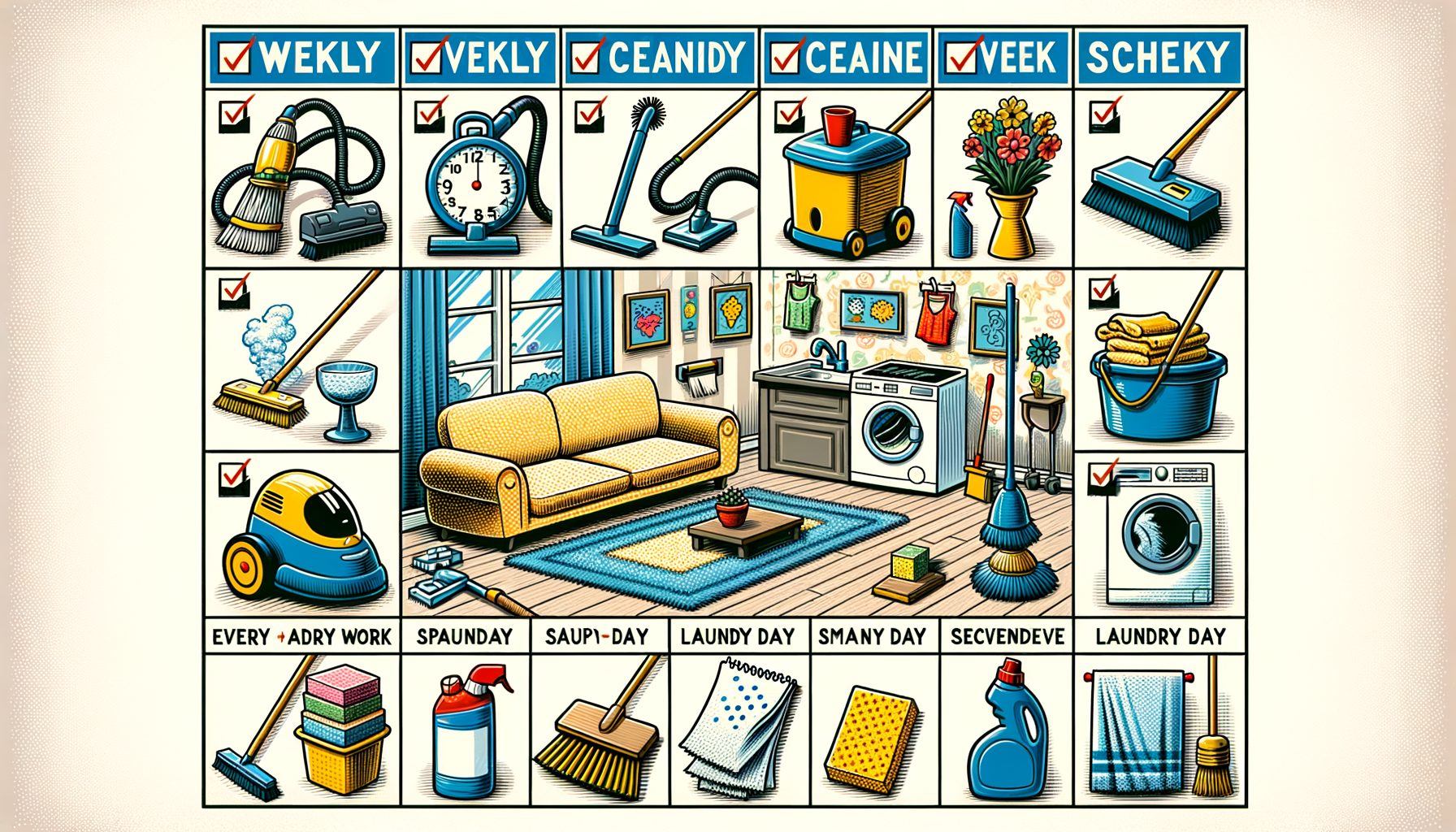
Treat the 7-day plan as a flexible template. Each day includes a short daily reset plus one focal task. If you miss a day, do the next day’s task and let the missed one roll to next week. Either way, the system stays stable because the daily reset keeps your home functional.
Daily Reset (10–15 minutes): clear dishes, wipe kitchen counters, quick bathroom sink wipe, and a 5-minute floor sweep of your highest-traffic zone. These tiny actions stop messes from multiplying.
Monday (Laundry + Surfaces): kick off one laundry load early and fold before bed. Dust high-touch areas: TV console, shelves, window sills. Wipe door handles and light switches. Spot-clean mirrors.
Tuesday (Kitchen Reset): degrease stovetop, wipe cabinet fronts, clean microwave (steam with a bowl of water and lemon), sanitize sink, empty crumb trays, and clear the fridge of leftovers. Set the dishwasher to run overnight so you wake up to clean dishes.
Wednesday (Bathrooms): scrub toilets, sinks, and tubs/showers. Replace towels, refill soap, and empty trash. Squeegee glass to prevent hard water marks. Keep a dedicated brush and a mild cleaner in each bathroom to cut setup time.
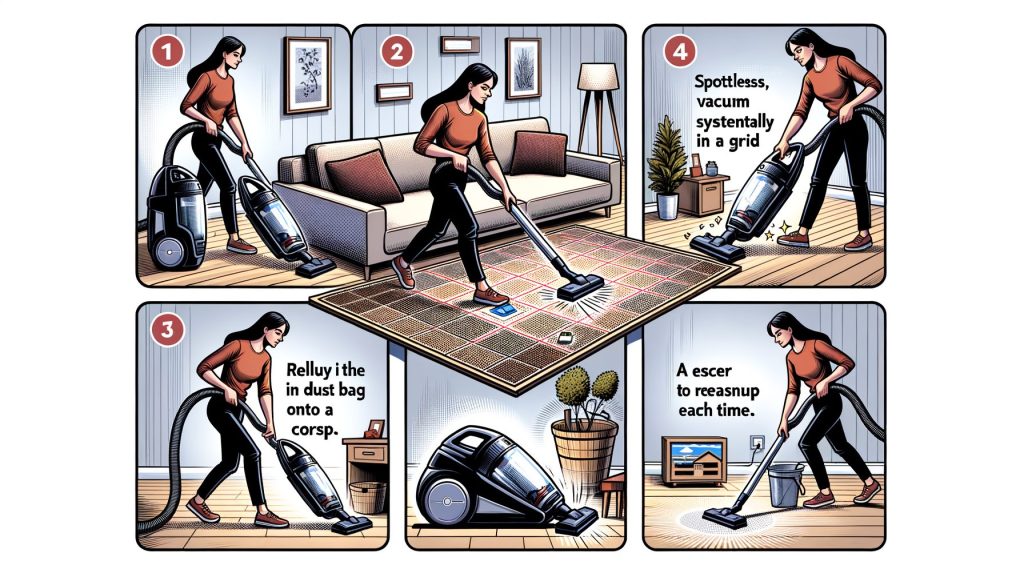
Thursday (Floors): vacuum or sweep all rooms; mop hard floors starting farthest from the door. Move small items out of the way before you begin to avoid stop-start fatigue. If you have pets, add a lint-roll pass on upholstery.
Friday (Bedrooms + Bedding): change sheets, tidy nightstands, and put away clothing piles. Do a 10-minute closet reset: return out-of-place items, stage tomorrow’s outfit, and gather empty hangers.
Saturday (Deep Focus Rotation): pick one area each week—oven and range hood, fridge interior, baseboards, windows, or a single closet. Rotating deep tasks means you never face a giant, once-a-year marathon.
Sunday (Restock + Home Reset): restock paper goods, soaps, and laundry supplies. Take out recycling, water plants, and review the coming week. Five minutes of planning keeps your cleaning cadence smooth.
The time estimates below will help you calibrate your plan. Adjust up or down based on home size, number of people, and pets.
| Task | Average Minutes | Recommended Frequency | Helpful Tools |
|---|---|---|---|
| Daily Reset (dishes, counters, quick sweep) | 10–15 | Daily | Microfiber cloths, dish brush, handheld vacuum |
| Laundry (wash + fold one load) | 25–40 (passive time not included) | 1–3× weekly | Sorting baskets, stain stick |
| Bathroom clean (toilet, sink, mirror, tub) | 20–35 | Weekly | Bathroom caddy, squeegee, non-abrasive cleaner |
| Vacuum or sweep all floors | 20–30 | Weekly (2–4× with pets) | HEPA vacuum, broom, robot vacuum |
| Mop hard floors | 15–25 | Weekly | Microfiber mop, bucket or spray system |
| Kitchen reset (stovetop, sink, appliances) | 20–30 | Weekly | Degreaser, scraper, microfiber |
| Dusting common areas | 10–20 | Weekly | Extendable duster, dry microfiber |
| Deep focus task (rotation) | 20–40 | Weekly (rotating target) | Depends on task (e.g., oven cleaner, glass cloth) |
Tip: Choose safer, effective products where possible. The U.S. EPA Safer Choice database lists certified cleaners that balance performance and health considerations: EPA Safer Choice.
Time-Saving Strategies, Tools, and Habit Tricks
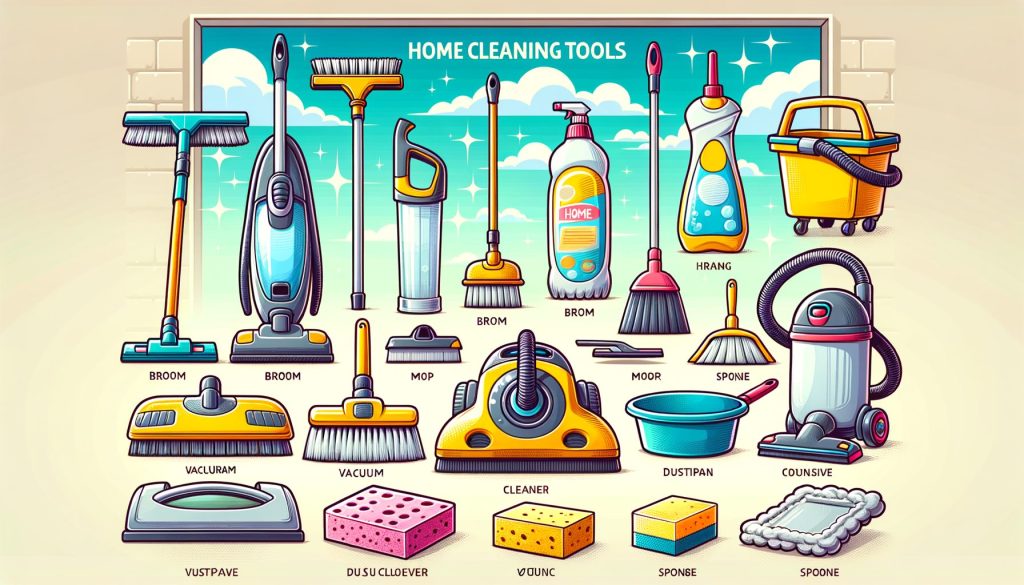
Speed comes from design, not rushing. Stage tools where you use them. A small caddy can be kept in each bathroom with a toilet brush, sponge, mild cleaner, glass cloth, and trash bags. In the kitchen, store microfiber cloths within arm’s reach and keep a dish brush by the sink. When the hunt for supplies disappears, your 20 minutes turn into 20 minutes of cleaning—not 10 minutes of searching and 10 minutes of actual work.
Batch similar movements. Clear flat surfaces in one pass with a laundry basket or tote: toss out-of-place items into the basket, clean the surface, then put items back in a single loop. Try the “two-bin method” for laundry and trash—one bin to collect, one to redistribute—so you never walk empty-handed. For floors, pre-stage chairs and light furniture if you plan to vacuum and mop; rolling through without obstacles can cut floor time by 30%.
Prevent mess before it starts. A shower squeegee after each use reduces soap scum, turning a 35-minute scrub into a 10-minute wipe. Place doormats inside and outside entrances and adopt a shoe-off habit to reduce grit and mopping frequency. For kitchens, heat a wet bowl of water and lemon in the microwave for 2 minutes to loosen grime so it wipes away in seconds. Always follow product labels and never mix cleaners; see safe cleaning guidance from the American Cleaning Institute: Safe Cleaning Tips. For product selection, consider certified options via EPA Safer Choice.
Micro-habits keep you consistent. Start a 10-minute timer and play a specific playlist; when the song starts, your brain knows it’s time to clean. Habit stack: after making coffee, do the dish reset; after brushing your teeth, wipe the bathroom sink. For larger homes or pet-heavy households, schedule a robot vacuum to run while you are out. Many people find that a 15-minute nightly reset reduces weekend cleaning by over an hour, because messes never get time to settle.
Finally, track wins. Keep a simple digital checklist and tick off tasks daily. Visual progress is motivating, especially for Gen Z and anyone who thrives on streaks. If you want extra clarity, install a QR code on your fridge that opens your checklist on your phone. The less you think, the more you do—and the faster your weekly cleaning schedule becomes part of your routine.
Small Spaces vs. Family Homes: Adapting the Checklist
Every home is different. A studio apartment benefits from micro-resets and vertical storage, while a family home with pets needs heavier floor care. Keep the same 7-day backbone, then adjust frequency and intensity based on your space and lifestyle.
Small Apartments and Dorms: Prioritize surfaces and air quality. Because every area is multipurpose, crumbs and dust build fast. Do a 5-minute nightly reset of your desk, coffee table, and kitchen area to keep clutter from spreading. Use multi-use tools: a compact cordless vacuum with a crevice tool, a foldable drying rack, and stackable bins under the bed. Fold laundry immediately to avoid “chairdrobe” piles. Consider a weekly “mini-declutter” of 10 items—trash, recycle, or donate—to keep storage breathable. With less square footage, a 20-minute daily routine is often enough.
Roommates and Shared Homes: Clarity prevents resentment. Assign focal days by zone (e.g., Person A: kitchen Tuesday; Person B: bathrooms Wednesday) and agree on the daily reset everyone follows. Keep shared supplies labeled and create a shared calendar so no one wonders who cleans what. Use common baskets for entryway items and a posted checklist. A quick house meeting every Sunday reduces “I thought you were doing it” friction.
Families and Kids: Focus on systems children can actually use. Place toy bins at child height, label with words and pictures, and practice a 5-minute “toy sweep” before dinner. Bedtime routines can include setting out tomorrow’s outfit and putting dirty clothes in the hamper. For laundry, color-code baskets per family member and fold by owner to speed distribution. If weekend sports eat your time, split the Saturday deep focus task into two 15-minute chunks during the week.
Homes with Pets: Increase floor care frequency; aim for vacuuming 2–4 times weekly depending on shedding. Keep a lint roller by the door and a small mat under pet bowls to catch spills. Clean litter areas or pet crates daily, and wash pet bedding weekly. Consider a HEPA-filter vacuum for dander and an air purifier for odor control. High-touch spots like doorknobs and light switches can harbor germs, and kitchen areas often rank among the germiest places in a home—see NSF International’s study on hotspots: Germiest Places in Your Home.
No matter your home size, the key is to right-size the plan. Keep the daily reset, choose one focal task per day, and rotate deep work. That structure scales up or down and stays sustainable even when life gets busy.
Q&A: Common Questions About Weekly Cleaning Schedules
Q: How long should a weekly cleaning routine take? A: For most homes, 20–45 minutes a day plus one deeper 20–40-minute session on the weekend is enough. Larger homes or pet-heavy spaces may need extra floor care, but the daily reset prevents tasks from ballooning.
Q: What if I miss a day? A: Do not double your workload. Keep the daily reset, do the next day’s focal task, and let the missed task roll to next week. Your home stays functional and your schedule stays realistic.
Q: Which cleaners are safest and still effective? A: Look for third-party certifications and clear labels. The U.S. EPA Safer Choice program lists products that meet safety and performance standards: EPA Safer Choice. Always follow label directions and avoid mixing products.
Q: Are robot vacuums worth it? A: If you have pets, high-traffic floors, or limited time, a robot vacuum scheduled 3–7 days a week can save hours monthly. Still do a weekly edge and corner pass with a standard vacuum for a full clean.
Conclusion
You started this article because you wanted a weekly cleaning schedule that works in real life. Now you’ve got a simple, flexible 7-day plan anchored by a daily reset, plus practical strategies that cut friction and keep your home guest-ready with less effort. You learned how to blend room-based and task-based cleaning, how to use time boxes and triggers to build habits, and how to adapt the checklist for small apartments, shared homes, families, and pet-heavy spaces. With the included time estimates and tool tips, you can calibrate the plan to your home and your energy levels.
Start today: print or save the checklist, choose your non-negotiable daily reset tasks, and set a 10-minute timer after dinner. Stage a bathroom caddy under each sink, charge your vacuum, and schedule one deep focus task this Saturday. Bookmark this guide, pin it to your notes app, or share it with your roommates or family so everyone stays on the same page. If you want safer product options, browse the EPA Safer Choice list. For germ hotspots to prioritize, review NSF’s findings here: Germiest Places in Your Home.
Cleaning does not have to be a marathon. When your routine is light, repeatable, and built around small wins, your home stays clean in the background of your life. Start with 10 minutes today and let momentum do the rest. You’ll feel the difference the next morning when you wake up to clear counters, calm rooms, and a schedule that actually fits your week.
Your home is not a project; it is a system. Build the system once, then run it daily. Ready to try it tonight? What is the single 10-minute reset that would make tomorrow easier?
Sources
American Time Use Survey (household activities overview): https://www.bls.gov/tus/
EPA Safer Choice (product database): https://www.epa.gov/saferchoice
American Cleaning Institute, Safe Cleaning Tips: https://www.cleaninginstitute.org/cleaning-tips/safe-cleaning
NSF International, Germiest Places in Your Home: https://www.nsf.org/consumer-resources/studies-surveys/germiest-places-your-home