If you’ve ever coughed while spraying a cleaner, worried about mysterious ingredients, or wondered why your home still doesn’t feel fresh, you’re not alone. Many mainstream products trade speed for safety, leaving behind fumes and residues that can irritate lungs, skin, and the planet. In this guide, you’ll find the best natural cleaning products for a safe, eco-friendly home, learn how to dodge greenwashing, and see exactly how to clean each room effectively—without toxic trade-offs. Ready for a healthier space and a simpler routine? Let’s dive in.
Why switching to natural cleaning products matters
The core problem is hidden in plain sight: indoor air quality. According to the U.S. Environmental Protection Agency, indoor air can be two to five times more polluted than outdoor air—sometimes higher—largely due to household products and poor ventilation. Volatile organic compounds (VOCs) from conventional cleaners and synthetic fragrances can linger, react with other chemicals, and potentially form irritants like formaldehyde. For people with asthma, allergies, sensitive skin, or pets, those emissions are more than a nuisance; symptoms can be triggered and exposure can build over time.
Natural cleaning products tackle three pain points at once: health, effectiveness, and environmental impact. Rather than harsh solvents and mystery fragrances, many eco-friendly options rely on plant-based surfactants (derived from coconut or corn), mineral boosters like baking soda or washing soda, and safer disinfectants such as hydrogen peroxide. On the environmental side, concentrated products and refill systems cut plastic waste, biodegradable formulas break down quickly, and third-party certifications help verify claims. Over time, these swaps reduce hazardous residue entering waterways, lower your home’s overall chemical load, and can eliminate dozens of plastic bottles a year.
Effectiveness is the next concern—and the honest answer is encouraging. Used correctly, natural cleaners work. Technique is the secret. Most cleaners—natural or not—need dwell time (one to five minutes or more) to break down grime before you wipe. For sanitizing and disinfecting, contact time matters even more. Hydrogen peroxide-based products on the U.S. EPA’s List N can inactivate viruses when used as directed, while mild, plant-based detergents remove everyday soils exceptionally well with a microfiber cloth. Think of it this way: better tools and methods amplify safer ingredients. The result is a clean space, less irritation, and a healthier baseline for your home.
The psychological boost is real, too. When you understand what’s in your spray bottle—and why—consistent cleaning gets easier. With fewer products and clearer labels, second-guessing fades, and your home smells like, well, a clean home—not a perfume counter.
How to read labels and avoid greenwashing
Greenwashing shows up when a product leans on words like “natural,” “green,” or “non-toxic” without clear standards or proof. To cut through the noise, focus on what’s listed and who verifies it. First, check for transparent ingredient lists. Many top brands now disclose full ingredients online or on-pack. You want identifiable components rather than vague terms like “proprietary blend” or “fragrance.” If scent is included, look for “fragrance-free” or “essential-oil scented” with specifics (e.g., “lavandula angustifolia oil”); “parfum” alone tells you very little.
Second, lean on credible certifications. These badges represent independent checks on safety, environmental standards, or performance. Perfection isn’t guaranteed, but the bar is raised and your guesswork drops. Here are common, trusted marks you’ll see around the world:
| Certification | What it Means | Learn More |
|---|---|---|
| EPA Safer Choice (U.S.) | Ingredients meet strict human health and environmental criteria; verified by the EPA. | epa.gov/saferchoice |
| EU Ecolabel (EU) | Reduced environmental impact across product life cycle and verified performance. | EU Ecolabel |
| EWG Verified | Meets Environmental Working Group’s ingredient and transparency standards. | ewg.org |
Third, assess surfactants and preservatives. Look for plant-based surfactants such as alkyl polyglucosides (APG) or sodium coco-sulfate (milder than SLS but still powerful). If you’re sensitive, avoid quaternary ammonium compounds (“quats”); they’re common in disinfecting wipes and can irritate lungs and skin. For preservatives, phenoxyethanol and sodium benzoate are commonly used at low levels; steer clear of formaldehyde-releasers (e.g., DMDM hydantoin, imidazolidinyl urea).
Fourth, consider packaging and format. Concentrates and tablets dramatically cut plastic and shipping weight. Refill systems plus aluminum or glass bottles lower waste. Microfiber cloths replace piles of paper towels—and can be washed hundreds of times. Finally, avoid risky mixes at home: never combine vinegar with bleach, and do not mix hydrogen peroxide with vinegar in the same container; both combinations can create hazardous gases or peracetic acid.
In short, buy for transparency and third-party checks, keep formulas simple, and prioritize formats that reduce waste. When in doubt, search the brand on a certification database or look up specific ingredients. Two minutes of research now prevents months of buyer’s remorse.
The essential natural cleaning starter kit (DIY and store-bought options)
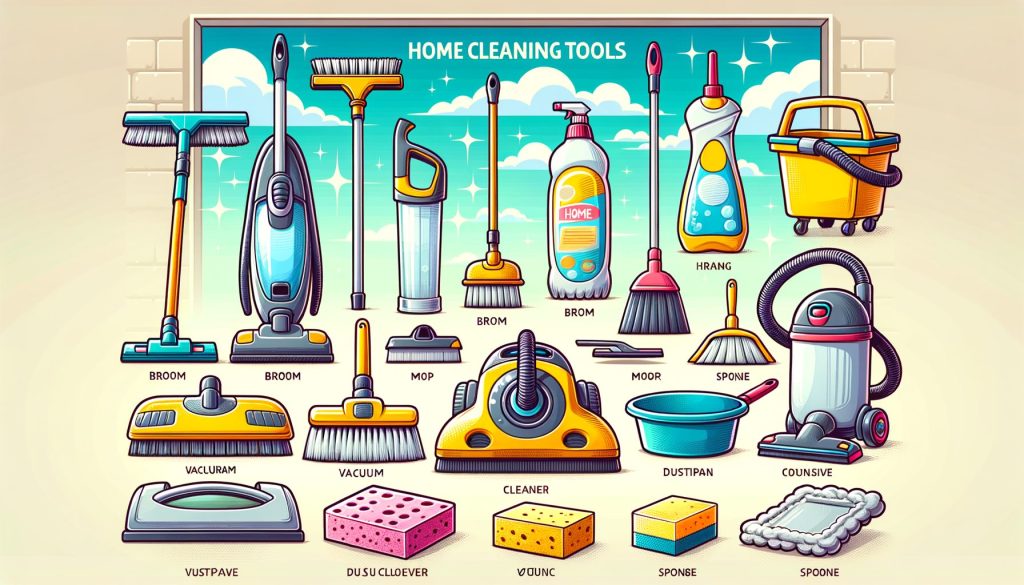
Building a reliable, eco-friendly kit is easy—and it can be done on a budget. Start with a few multipurpose essentials, then add targeted tools for tough jobs. A balanced kit includes: 1) a gentle all-purpose cleaner, 2) a degreaser, 3) a disinfectant for high-touch areas, 4) a glass/mirror cleaner, 5) a scrub for sinks and tubs, and 6) a microfiber system.
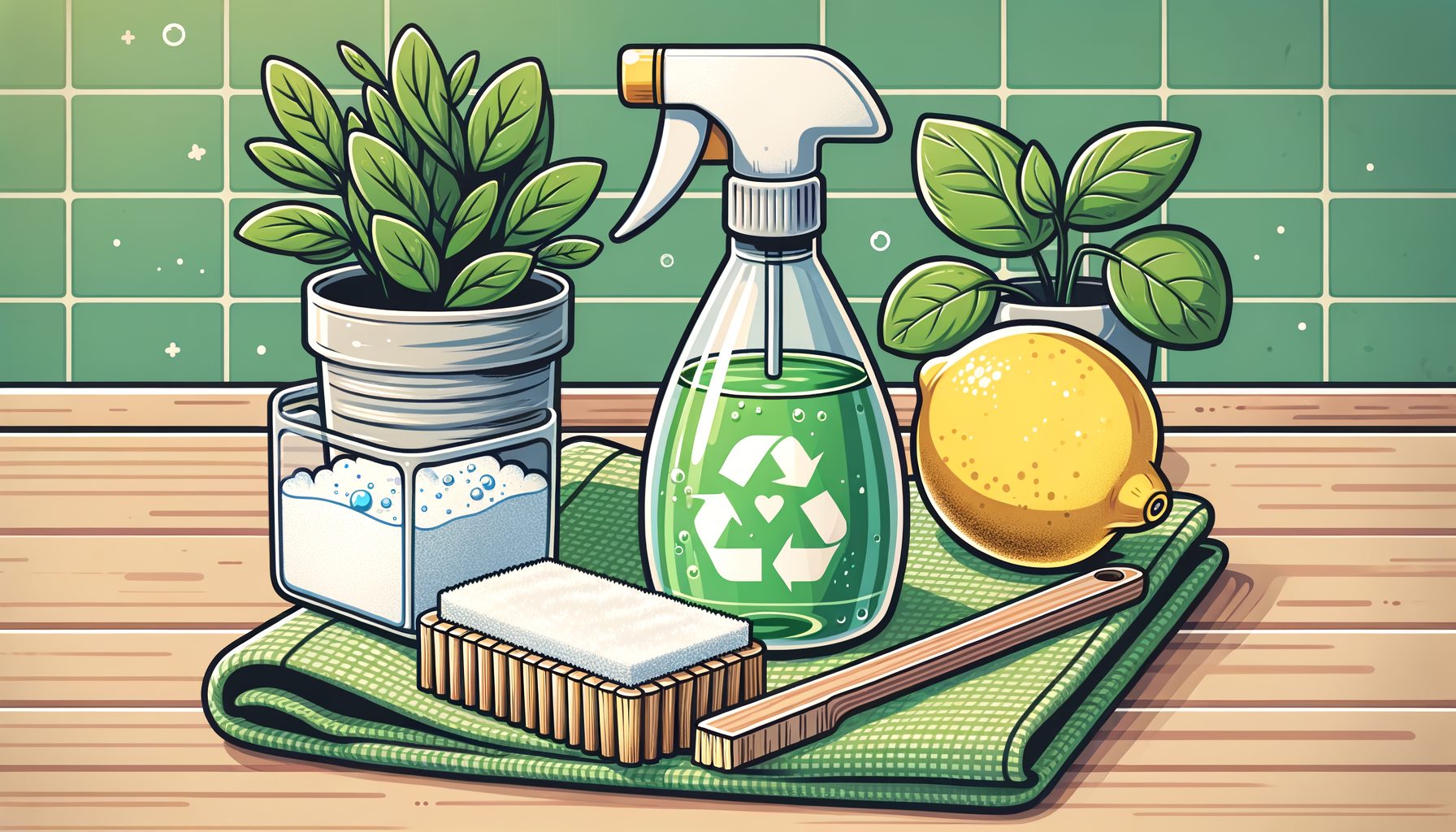
DIY essentials: White vinegar (5% acidity) shines on glass, stainless steel, mineral deposits, and deodorizing—but skip natural stone (marble, granite, travertine). Baking soda lifts odors and works as a mild abrasive for sinks and tubs. Castile soap (liquid, plant-based) is a powerful yet gentle cleaner for counters and floors. Washing soda boosts laundry and cuts kitchen grease (use gloves; it’s more alkaline than baking soda). Hydrogen peroxide 3% can serve as a color-safe, residue-free sanitizer on hard, non-porous surfaces when given adequate contact time. If you use essential oils for scent, stick to low amounts (2–10 drops per 16 oz/500 ml) and ventilate well; some oils aren’t safe for pets.
Store-bought standouts: Choose brands offering concentrates or refills, transparent ingredient lists, and trusted certifications. Examples include Seventh Generation, Ecover, Dr. Bronner’s (for castile soap), Blueland (tablet concentrates), Attitude, ECOS, Puracy, and Branch Basics. Sensitive to fragrance? Pick an unscented or fragrance-free base, then add scent only if needed. For disinfecting, select hydrogen peroxide or alcohol-based products that appear on the U.S. EPA’s List N and follow directions carefully.
Simple, effective recipes and uses: Simple recipes, big results. For an all-purpose spray, combine 1 teaspoon (5 ml) castile soap with 2 cups (500 ml) warm water in a spray bottle; mist, let sit for 2–3 minutes, wipe with a damp microfiber cloth, then buff dry. For glass and stainless, mix 1 part white vinegar to 1 part water; spray sparingly and buff with a dry microfiber cloth. For soap scum, sprinkle baking soda over a damp surface, then spray with diluted castile soap and scrub; rinse well. For greasy stovetops, use warm water plus a few drops of castile soap, then wipe; follow with a vinegar spritz to remove streaks. For disinfecting high-touch spots like door handles, apply 3% hydrogen peroxide, leave for 5–10 minutes, and let air-dry or wipe with a clean cloth.
Cost check: Natural doesn’t have to be pricey. Concentrates and DIY mixes are often cheaper per use than conventional sprays. For example, a tablet or concentrate bottle can make multiple refills, while a gallon of distilled white vinegar or a bottle of castile soap stretches into dozens of cleans. Consider this quick comparison:
| Product | Approx. Cost per 16 oz/500 ml Use | Notes |
|---|---|---|
| DIY Castile All-Purpose (1 tsp/500 ml) | Low (cents per bottle) | Highly economical; gentle on most surfaces |
| Vinegar Glass Cleaner (1:1 with water) | Very low | Streak-free with microfiber; avoid natural stone |
| Hydrogen Peroxide 3% | Low | Effective disinfectant with proper contact time |
| Concentrate/Tablet Refill | Low–medium | Less plastic; strong performance |
With this kit, about 90% of household tasks are covered safely, efficiently, and affordably. Consistency is key: spray, wait, wipe, and rinse when appropriate. Let the chemistry do the heavy lifting.
Room-by-room guide: safe, eco-friendly cleaning routines
Kitchen: Grease, crumbs, and frequent touchpoints show up here first. For counters (laminate, sealed wood, sealed stone), use your castile all-purpose spray; mist, wait 2–3 minutes, and wipe with a damp microfiber. For greasy stovetops and hoods, warm soapy water plus a microfiber cloth breaks down oils; follow with a vinegar spritz to remove residue on stainless steel (do not use vinegar on unsealed stone). For sinks, sprinkle baking soda, mist with soapy water, scrub, then rinse; finish with a small amount of hydrogen peroxide if you want to sanitize the drain area. Cutting boards get washed with hot water and soap; sanitize with hydrogen peroxide, giving 5–10 minutes of contact time before rinsing. Fridge shelves respond well to warm soapy water, then a clean water wipe-down; avoid strong scents near food.
In the bathroom, soap scum and bacteria are the main challenges. On tubs and tiles, dust with baking soda, spray with diluted castile soap, and scrub using a non-scratch pad; rinse thoroughly. Faucets and showerheads benefit from a vinegar soak to dissolve mineral deposits (tie a small bag of vinegar around the head for 30–60 minutes), then scrub and rinse. Toilets can be cleaned with a castile soap solution; to sanitize the seat and flush handle, apply hydrogen peroxide and let it sit. Mirrors and glass: use a 1:1 vinegar-water mix, spray lightly, and buff dry with a dedicated glass microfiber cloth.
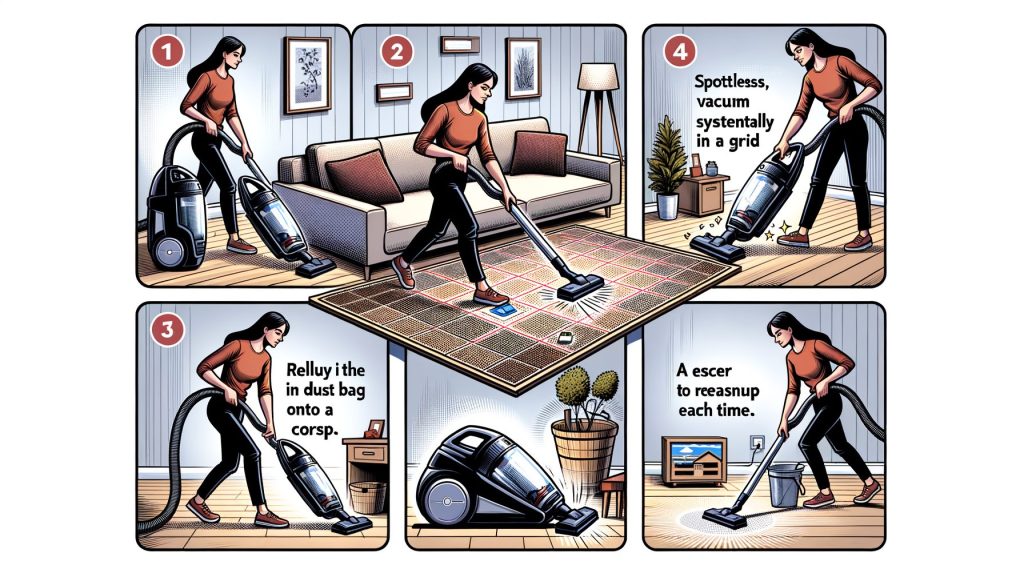
Underfoot, floors need gentle, effective care. For sealed hardwood and laminate, use a barely damp microfiber mop with warm water plus a few drops of castile soap; avoid soaking wood. For tile and vinyl, the same mix works; rinse if residue appears. For grout, a paste of baking soda and water can be applied to lines and scrubbed gently; rinse well and ventilate. For carpets and rugs, spot clean with diluted castile soap (test first); blot, don’t rub. Enzyme cleaners (store-bought eco options) are helpful on pet stains—follow label directions and allow adequate dwell time.
Laundry runs better with a concentrated, plant-based detergent. Most formulas clean well in cold water, which also saves energy. Pre-treat stains with a small amount of detergent or an enzyme-based spot cleaner, let sit 10–15 minutes, then wash. Add washing soda to the drum for extra cleaning power on heavily soiled loads. For whites, hydrogen peroxide acts as an oxygen-based brightener; don’t mix it with vinegar in the same load. Dry on the lowest heat needed and clean your lint filter; consider wool dryer balls instead of scented sheets.
High-touch points and electronics: For phones, remotes, and keyboards, lightly dampen a microfiber cloth with 70% isopropyl alcohol for quick sanitizing (check manufacturer guidance). For door handles and switches, use hydrogen peroxide or alcohol and ensure contact time (do not spray directly on switches; apply to a cloth first).
Safety reminders: Keep rooms ventilated while cleaning. Never mix bleach with any acid (like vinegar) or with ammonia. Do not store vinegar and hydrogen peroxide in the same bottle or spray simultaneously on the same spot. Label all DIY bottles with contents and date. When unsure, patch test on an inconspicuous area.
Q&A: quick answers to common questions
Q: Can natural cleaning products disinfect? A: Yes, but not all do. Look for hydrogen peroxide or alcohol-based products listed on the U.S. EPA’s List N for viruses. For 3% hydrogen peroxide, leave it on hard, non-porous surfaces for 5–10 minutes before wiping, or follow product directions for contact time.
Q: Is vinegar safe on all surfaces? A: No. Vinegar is acidic and can etch natural stone like marble, travertine, and some granite, and can dull certain finishes. Use pH-neutral cleaners or plain castile soap on sensitive surfaces, and always test first.
Q: Are essential oils necessary? A: No. They add scent but don’t automatically disinfect at typical home-use concentrations. If you use them, start with very small amounts, ventilate, and confirm that oils are safe for children and pets in your home.
Q: How do I deal with mold naturally? A: For small areas on hard, non-porous surfaces, scrub with detergent, rinse, and apply hydrogen peroxide with adequate contact time. For porous materials (drywall, insulation) or large areas, follow official guidance and consider professional help; moisture control is critical to prevent return.
Q: How should I store DIY cleaners? A: Use clearly labeled, well-sealed bottles (amber glass for light-sensitive mixes), keep away from heat and kids/pets, and make small batches you’ll use within a few weeks. Never mix vinegar and hydrogen peroxide in the same container.
Conclusion: build a safer, greener cleaning habit that lasts
A cleaner, healthier home is achieved when safer ingredients meet smart methods. You learned why conventional products can undermine indoor air quality, how to spot genuine eco options, what to put in a starter kit, and how to clean each room with confidence. With plant-based surfactants, simple minerals like baking soda and washing soda, and proven disinfectants like hydrogen peroxide, you can protect your health, cut plastic waste, and still get sparkling results. The best natural cleaning products work—especially when you allow a bit of dwell time and pair them with microfiber and good ventilation.
Now it’s your move. Pick one swap this week: replace your glass cleaner with a vinegar-water mix, switch to a concentrated refill for your all-purpose spray, or add hydrogen peroxide for targeted disinfecting. Label your bottles, set a 5-minute timer for dwell time, and enjoy the satisfaction of a deeper clean with fewer mystery ingredients. If you want to go further, audit your cabinet: keep what’s transparent and effective, note what you’ll phase out, and choose one certification to prioritize, like EPA Safer Choice or EU Ecolabel.
Your home doesn’t need to smell like perfume to be clean—it needs clear, safe chemistry and a routine you trust. Start simple, stay consistent, and let the results speak for themselves. You’ve got this. What’s the first product you’ll swap today?
Helpful resources and sources:
U.S. EPA Safer Choice – Third-party program for safer ingredients and verified products.
EU Ecolabel – Official European certification for reduced environmental impact and performance.
EPA: VOCs and indoor air quality – Background on VOCs and health impacts.
EPA List N – Disinfectants (including hydrogen peroxide products) that meet criteria for use against viruses.
EWG Verified – Ingredient and transparency standard for consumer products.