You want a clean home, but time, energy, and endless messes keep getting in the way. The search for the Best House Cleaning Methods is not about perfection—it is about systems that work in the real world. Here, cleaning is broken down into proven routines, smart tools, and time-saving steps you can follow today. Studio apartment or family house—it will not matter. You will learn exactly what to do, in what order, and how to stay consistent without burning out.
The real problem: clutter, dust, and decision fatigue (and how to fix them)
Most homes do not stay clean because of two invisible forces: constant inflow and decision fatigue. The inflow is everything entering your space—packaging, laundry, mail, pet hair, dust, and soil from shoes. Decision fatigue is what happens when you face hundreds of micro-choices: where to start, which product to use, and how long to spend. The solution is not more willpower; it is a repeatable framework that removes choices and turns tasks into a flow.
Use this simple order of operations every time, no matter the room: declutter first, then dry clean, then wet clean, and finish with floors. Decluttering frees surfaces so every wipe counts. Dry cleaning (dusting, vacuuming, sweeping) lifts loose particles without smearing them. Wet cleaning (wiping with cleaner, scrubbing, rinsing) removes stuck-on soil. Floors come last so you are not re-dirtying them while you work. Such a high-to-low, clean-to-dirty sequence also prevents cross-contamination. For example, you dust light fixtures before wiping counters; you handle sinks before toilets; and you mop after all other tasks.
Overwhelm shrinks with time boxing. Set a 20-minute timer for daily resets (dishes, counters, quick pickup) and a 60–90 minute block weekly for deeper tasks. Your most-used tools should be stored in a small caddy, so starting does not require a search. If you share a home, assign owners to zones (e.g., “Kitchen surfaces—Alex, Sundays”) to cut the mental load. Aim for visible progress first. Start where a small win is obvious—like the kitchen sink or entryway—so motivation builds. Repeat the same flow weekly and the brain stops negotiating; it simply executes. Less stress, cleaner rooms.
Room-by-room blueprint: fast wins and deep-clean routines
Kitchen: Start by clearing dishes and trash. Load the dishwasher or hand wash to empty the sink. Stuck pans can be pre-treated with hot water and a drop of dish soap to soften residue while you work elsewhere. Dust high areas (tops of cabinets, fridge), then vacuum crumbs from drawers and under appliances using a crevice tool. Wipe from cleanest to dirtiest: cabinet doors, backsplash, counters, then sink. Use a degreaser or diluted dish soap for oily spots; rinse with a damp cloth to avoid residue. Finish with appliances—microwave (steam-clean by heating a bowl of water for 2–3 minutes), stovetop, and fridge handles. Mop last. Daily: dishes, counters, sink. Weekly: appliances and floor edges. Monthly: oven racks, range hood filters, and fridge shelves.
Bathroom: Ventilate first (window or fan). Remove items from surfaces. Dust lights and the top of the mirror. Apply dedicated toilet cleaner inside the bowl and let it sit (follow label contact time). Spray shower walls, tub, and sink with a bathroom cleaner; let dwell 5–10 minutes so chemistry does the work. While you wait, wipe mirrors with a glass-safe cloth. Scrub the sink and faucet, then shower/tub from top to bottom. Use a non-scratch pad for soap scum and a squeegee to finish glass. Clean the toilet exterior, then the seat, and lastly the bowl with a dedicated brush. High-touch points should be disinfected only after surfaces are visibly clean. Weekly is enough for most homes; increase frequency for shared bathrooms or humid climates.
Bedrooms: Make the bed to create instant order. Gather laundry and clear nightstands. Dust from the highest surfaces (ceiling fan, shelves) downward with a microfiber tool. Wipe hard surfaces with a mild cleaner. For mattresses, seams should be vacuumed; consider a cover to reduce dust mites. Sheets should be washed weekly, duvets and pillow protectors every 1–3 months depending on climate and use. If you have pets, a rubber brush or squeegee lifts hair from fabrics faster than lint rollers.
Living areas: Reset clutter into baskets, then dust media centers, frames, and blinds. Vacuum sofas with the upholstery tool, pulling cushions forward to catch debris. For floors, do edges first, then open areas. If you have rugs, vacuum both sides occasionally to remove embedded grit. Use the same order of operations: declutter, dust, wipe, then floors. Keep a small caddy hidden in the living room with glass cleaner, a microfiber cloth, and a lint brush for quick touch-ups before guests.
Entryway and laundry: Place a sturdy doormat outside and a washable rug inside to catch soil at the door—this alone can reduce sweeping and mopping time. In laundry, label bins (lights, darks, towels) and pre-treat stains immediately to avoid re-washing. Clean the lint trap each cycle and wash the washer’s gasket monthly to prevent odors. These small habits compound into a home that stays clean with less effort.
Smart tools and safe supplies: what to buy, what to skip
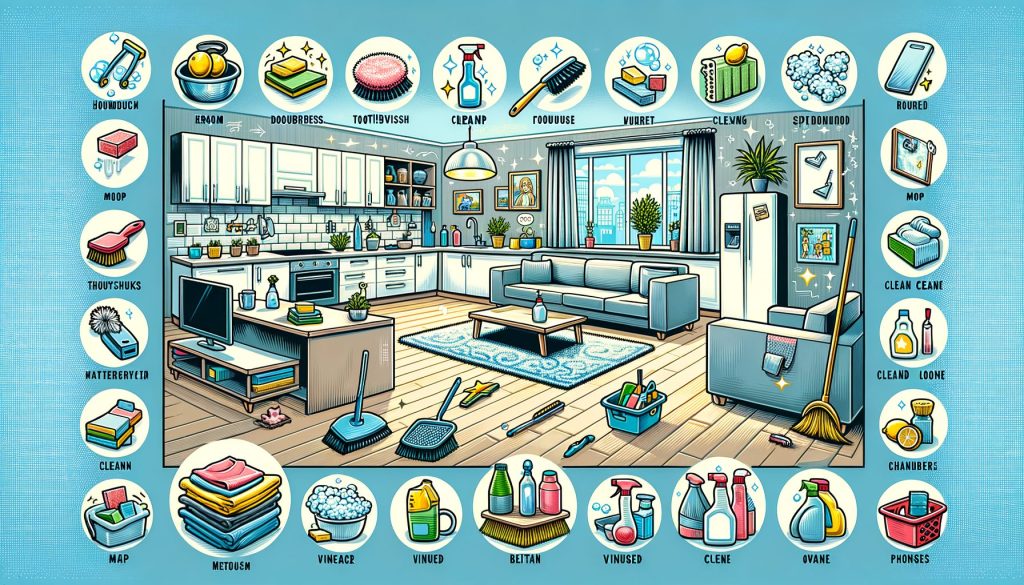
Tools do not need to be expensive; they need to be effective and easy to use. A reliable vacuum with a HEPA filter captures fine dust and allergens; this matters if you have pets or live in a polluted or dusty area. Uprights excel on carpets, canisters are versatile for mixed floors, and cordless sticks win for quick daily passes. Microfiber cloths matter: they grab particles without pushing them around, and they work with just water for many tasks. Color-code cloths (e.g., blue for glass, yellow for kitchen, pink for bathroom) to avoid cross-use. A flat microfiber mop with washable pads cleans faster than string mops and uses less water, which helps floors dry quickly.
For chemicals, choose as mild as possible, as strong as necessary. Most daily cleaning only requires detergent-based cleaners (dish soap or an all-purpose cleaner) plus physical agitation. Reserve disinfectants for high-risk situations (illness, raw meat spills). Always read labels for contact time; disinfectants only work if they stay wet for the stated minutes. If you want greener options, look for the EPA Safer Choice label, which identifies products that meet strict safety and performance criteria. Learn more here: EPA Safer Choice. For air quality guidance around cleaning products, see the American Lung Association: Cleaning supplies and indoor air.
Never mix chemicals. Bleach plus ammonia or acids (like vinegar) creates dangerous gases. Ventilate when using strong products and wear gloves for prolonged wet work. Concentrates should be stored out of reach of children and pets. Mark spray bottles clearly with the product and dilution to avoid mistakes.
Below is a quick comparison of common cleaners and when to use them effectively:
| Cleaner | Best uses | Pros | Watch-outs |
|---|---|---|---|
| Microfiber + warm water | Dusting, glass, light soil on counters | Low cost, low residue, reusable | Wash separately; avoid fabric softener (reduces effectiveness) |
| Diluted dish soap (a few drops per liter/quart) | Grease on kitchen surfaces, general wiping | Gentle, widely available | Rinse with damp cloth to prevent film |
| Oxygen bleach (percarbonate) | Whitening laundry, mildew stains on grout | Color-safe at proper dilution | Follow label; not for wool/silk; do not mix with vinegar or chlorine bleach |
| White vinegar (diluted) | Mineral deposits, glass, deodorizing drains | Eco-friendly, inexpensive | Do not use on natural stone; never mix with bleach |
| Hydrogen peroxide 3% | Spot disinfecting cleaned surfaces, mold stains | No fragrance, broad antimicrobial action | Light-sensitive; check surface compatibility; follow contact time |
If you are buying a vacuum, check an objective guide like Consumer Reports for models that perform well on your floor type. For mold cleanup guidance after leaks or humidity issues, the CDC overview is helpful: CDC: Mold clean-up.
Time-saving methods that actually work (and keep working)
Try the “20/10” cycle for motivation: clean for 20 minutes, rest for 10. Two or three rounds move a shocking amount of work without burnout. On busy weekdays, try “5-by-5s”: five minutes in five zones (entry, kitchen, bathroom, living area, bedroom). Set a timer and move fast. Speed builds momentum. Momentum creates consistency.
Batch tasks. Do the same type of task across rooms before switching tools. For example, dust all rooms first with one tool, then wipe surfaces, then vacuum floors. Batching reduces context switching and saves setup time. Keep duplicates of essentials where work happens: a toilet brush per bathroom, a microfiber cloth in the living room, and dish soap at both the kitchen and utility sink. The fewer trips you take to find tools, the more you finish.
Follow professional motion rules: work top-to-bottom and left-to-right, clean dry before wet, and move clockwise so you never miss a section. Pre-soak instead of over-scrubbing. Apply cleaner and let it dwell for a few minutes while you do something else; chemistry does the hard work. For glass and mirrors, do an initial wipe with a damp cloth and a final buff with a dry microfiber for a streak-free finish. For floors, vacuum or sweep thoroughly before mopping; most streaks come from dust left behind.
Prevent mess at the source. Place mats at every entrance, use trays under soap dispensers and plants, and keep a squeegee in the shower to swipe glass daily (it takes 20 seconds and saves 20 minutes later). Refrigerator drawers can be lined with washable mats so spills lift out easily. In humid climates, run the bathroom fan during and 20 minutes after showers to cut moisture and mold. If you have allergies or pets, a weekly HEPA vacuum pass and frequent laundry for bedding make a noticeable difference in air quality. For safety and health, remember: you clean first to remove soil, and only then disinfect when needed. For more on cleaning vs. disinfecting, see the EPA’s guidance: Household cleaners and disinfectants.
Finally, track your wins. A simple checklist in Notes, Notion, or a calendar app turns tasks into streaks you can see. If you share tasks with family or roommates, post a weekly rotation. Consistency beats intensity; a 30-minute routine every week outperforms a marathon clean once a month.
Quick Q&A: common questions about home cleaning
Q: How often should I deep clean each room?
A: Do daily resets (dishes, counters, quick pickup), a weekly clean for kitchens, bathrooms, floors, and dusting, and a monthly focus on neglected spots (baseboards, under furniture, vents). Adjust based on pets, kids, climate, and allergies.
Q: Do I need to disinfect every day?
A: No. Clean visibly dirty surfaces daily; disinfect high-touch points during illness or after raw meat spills. Always follow label contact time for disinfectants.
Q: What is the fastest way to make a home look clean?
A: In this order: open windows for fresh air, clear surfaces, make beds, wash dishes, wipe counters, and vacuum high-traffic floors. These steps create instant visual impact.
Q: Are natural cleaners enough?
A: Mild detergents and physical agitation handle most everyday soil. For minerals, vinegar helps (avoid natural stone). For sanitizing needs, use approved disinfectants as directed. Look for the Safer Choice label for safer products.
Conclusion: build your system, protect your time, and enjoy your space
If your home feels hard to keep clean, you are not the problem—your system is. In this guide, you saw the Best House Cleaning Methods in a structure you can repeat: declutter, dry clean, wet clean, and finish with floors. You learned a room-by-room blueprint for kitchens, bathrooms, bedrooms, and living areas; you saw which tools and supplies professionals rely on (including HEPA vacuums and microfiber); and you explored time-saving methods like batching, pre-soaking, and the 20/10 cycle. You also learned how to prioritize health and safety by ventilating, reading labels, and disinfecting only when needed.
Start now with one small, visible win: shine the kitchen sink, or reset the entryway with a mat and a catch-all tray. Then schedule a single 60-minute weekly session using the order of operations. Keep your caddy stocked, store tools where you use them, and track tasks with a simple checklist. Share the load by assigning a zone to each person in your home—even a 10-minute job per person makes a big difference.
Your action plan this week:
– Pick one room and apply the flow: declutter → dust/vacuum → wipe → floors.
– Set two 20/10 timers for a quick win today.
– Choose one upgrade (microfiber set, HEPA vacuum filter, or a Safer Choice cleaner).
– Post a weekly rotation for shared tasks.
Clean homes are not built in a day; they are built in routines you can trust. Take the first step, keep it simple, and let momentum carry you. What is the one space you will reset today to make tomorrow easier?
Sources:
– EPA Safer Choice: https://www.epa.gov/saferchoice
– American Lung Association on cleaning supplies and indoor air: https://www.lung.org/clean-air/at-home/indoor-air-pollutants/cleaning-supplies-and-household-chemicals
– Consumer Reports Vacuum Guide: https://www.consumerreports.org/products/vacuum-cleaners/overview/
– CDC Mold Cleanup: https://www.cdc.gov/mold/clean_up.htm
– EPA Household Cleaners and Disinfectants: https://www.epa.gov/safepestcontrol/household-cleaners