If you are new to house care, the biggest problem is not dirt—it is overwhelm. Where do you start, what actually matters, and how do you avoid wasting hours cleaning the wrong things? Here, a beginner’s guide to essential house cleaning brings the answers together in one place. You will learn a simple plan that fits a busy schedule, the minimal tools you really need, and a room-by-room method that works in small apartments or large homes. Stay for a data-backed cleaning schedule, practical steps, and quick wins you can try today. By the end, you will know exactly how to move from “I do not know where to begin” to “I can keep it clean without burning out.”
Clean Smart, Not Hard: A Beginner-Friendly Routine That Works
Most beginners assume cleaning takes a full day and stacks of products. In reality, a consistently clean home can be maintained with a lightweight routine optimized for energy and time. Begin by separating “tidying” (putting things away) from “cleaning” (removing dust, grime, and germs). Tidy first to remove visual clutter; that step makes actual cleaning 30–50% faster because surfaces become reachable. Try the 3-basket method: one basket for trash, one for dishes/laundry, and one for items that belong in other rooms. Set a 10-minute timer and move fast—momentum beats perfection.
Next, lean on the 80/20 principle. Roughly 20% of tasks deliver 80% of the “looks and feels clean” effect: clear counters, made beds, empty sinks, and vacuumed high-traffic floors. Build your routine around four layers of effort:
Daily (10–20 minutes): reset kitchen sink and counters, quick bathroom wipe (faucet, handle, toilet seat), and a 5-minute floor sweep or vacuum in the busiest area. Pressed for time? Do dishes and a 2-minute wipe of visible spots—those two alone transform how a room feels.
Weekly (60–90 minutes total, split over two sessions): dust top-to-bottom, vacuum all floors and upholstery, mop hard floors, clean mirrors and glass, scrub bathroom fixtures, and change bed linens. Break it into 2–3 mini-sprints of 20–30 minutes so it never feels heavy.
Monthly (one focused hour): deeper kitchen work (microwave, oven door, inside fridge shelves), shower grout scrub, baseboards, and vents. A checklist should be used so finished items are not forgotten.
Seasonal (90–120 minutes): declutter a closet, flip and vacuum mattresses, wash curtains, clean under/behind large furniture, and run a dishwasher or washing machine cleaning cycle. These tasks protect air quality and help appliances last longer.
When you live with others, assign ownership instead of asking for “help.” Someone owns floors; someone owns bathrooms; someone owns trash and laundry. Ownership creates clarity and fewer reminders. Use a shared note app with recurring tasks. Make the routine measurable: “Vacuum high-traffic paths every other day” is better than “Try to vacuum more.”
Frequency matters in evidence-based cleaning. High-touch surfaces and moist areas accumulate microbes faster than dry shelves. Consider the quick reference below to tune your weekly plan without overcleaning low-risk zones.
| Hotspot | Why It Matters | Recommended Frequency | Fast Method | Reference |
|---|---|---|---|---|
| Kitchen counters & sink | Food residue, moisture | Daily wipe; disinfect after raw meat | Degrease, then disinfect with proper dwell time | CDC |
| Bathroom faucets & toilet handle | High-touch, splash zone | Daily quick wipe; weekly full clean | Microfiber + bathroom cleaner; disinfect weekly | CDC |
| Doorknobs & light switches | Frequent hand contact | 2–3× per week | Spray, wait per label, wipe dry | EPA List N |
| Floors (high-traffic) | Dirt, allergens, pet dander | Every other day for pets; weekly otherwise | Vacuum first, mop last | CDC |
Kick off the week by scheduling two 20-minute sessions. Tackle counters, sinks, and a vacuum pass in session one; handle bathroom fixtures and a floor mop in session two. Track how your space feels for seven days. Many beginners report less weekend stress and fewer “where did all this mess come from?” moments within a single week.
The Essential Cleaning Kit: Budget-Friendly Tools and Safe Supplies
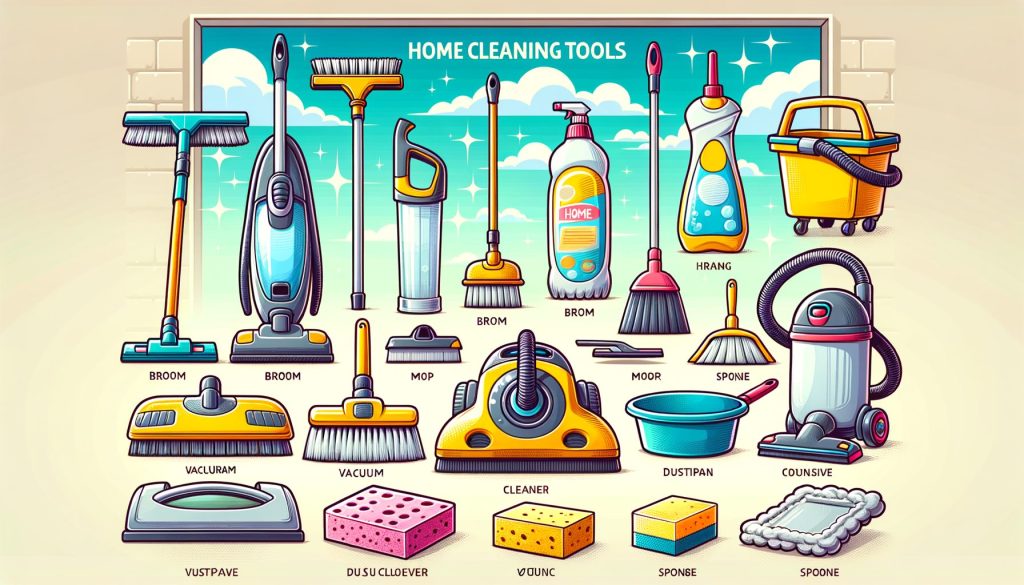
A closet of chemicals is not required. A compact, affordable kit will handle 95% of jobs and stores in a single caddy. Begin with four microfiber cloths (color-code for kitchen, bath, glass, and dusting). Because microfiber traps dust and soil more effectively than cotton, less cleaner is often needed and streaks are reduced. Then add a non-scratch scrub sponge, a soft-bristle brush, a grout or old toothbrush, a squeegee for mirrors and shower glass, and a mop with removable, machine-washable pads. For floors, a vacuum with a hard-floor setting or a broom-and-dustpan combo covers daily debris.
For liquids, prioritize a few multipurpose staples: a pH-neutral all-purpose cleaner for most sealed surfaces, a glass cleaner for mirrors and windows, a bathroom cleaner that tackles soap scum and mineral deposits, and a registered disinfectant for targeted use on high-touch surfaces. To reduce fragrance overload or skin irritation, look for products certified by EPA Safer Choice. When disinfection is needed (after raw meat prep or illness), choose products from the EPA List N and follow the label’s dwell time—the surface must stay visibly wet for the stated minutes to work.
A beginner-friendly DIY option: mix 1 part white vinegar with 3 parts water plus a drop of dish soap for glass and stainless. Use it on windows, mirrors, and appliance fronts. Avoid vinegar on marble, natural stone, or unsealed grout, as acids can etch. For countertops of unknown material, test any product on a small hidden area first.
Ballpark starter budget: microfiber 4-pack ($8–$15), sponge and brushes ($6–$10), squeegee ($8–$12), mop and pad ($25–$40), vacuum or broom ($15–$120+), all-purpose cleaner ($4–$8), glass cleaner ($3–$6), bathroom cleaner ($4–$8), disinfectant ($4–$8), and gloves ($3–$6). Even at the higher end, this kit costs less than a single professional clean and lasts months. Microfiber should be washed separately on warm without fabric softener (it clogs fibers). Air-dry or tumble low to preserve performance. Keep the kit in a grab-and-go caddy so starting is as easy as picking it up. Reducing “start friction” is one of the most effective behavior hacks for staying consistent.
Ventilation and skin safety matter. Open a window or run a fan when spraying cleaners in small bathrooms. Wear gloves if you have sensitive skin. Chemicals like bleach and ammonia must never be mixed. If a label says “rinse required,” do it, especially on food-contact surfaces. Safe does not mean less effective—smart product choice plus correct technique will outperform random heavy-duty chemicals almost every time.
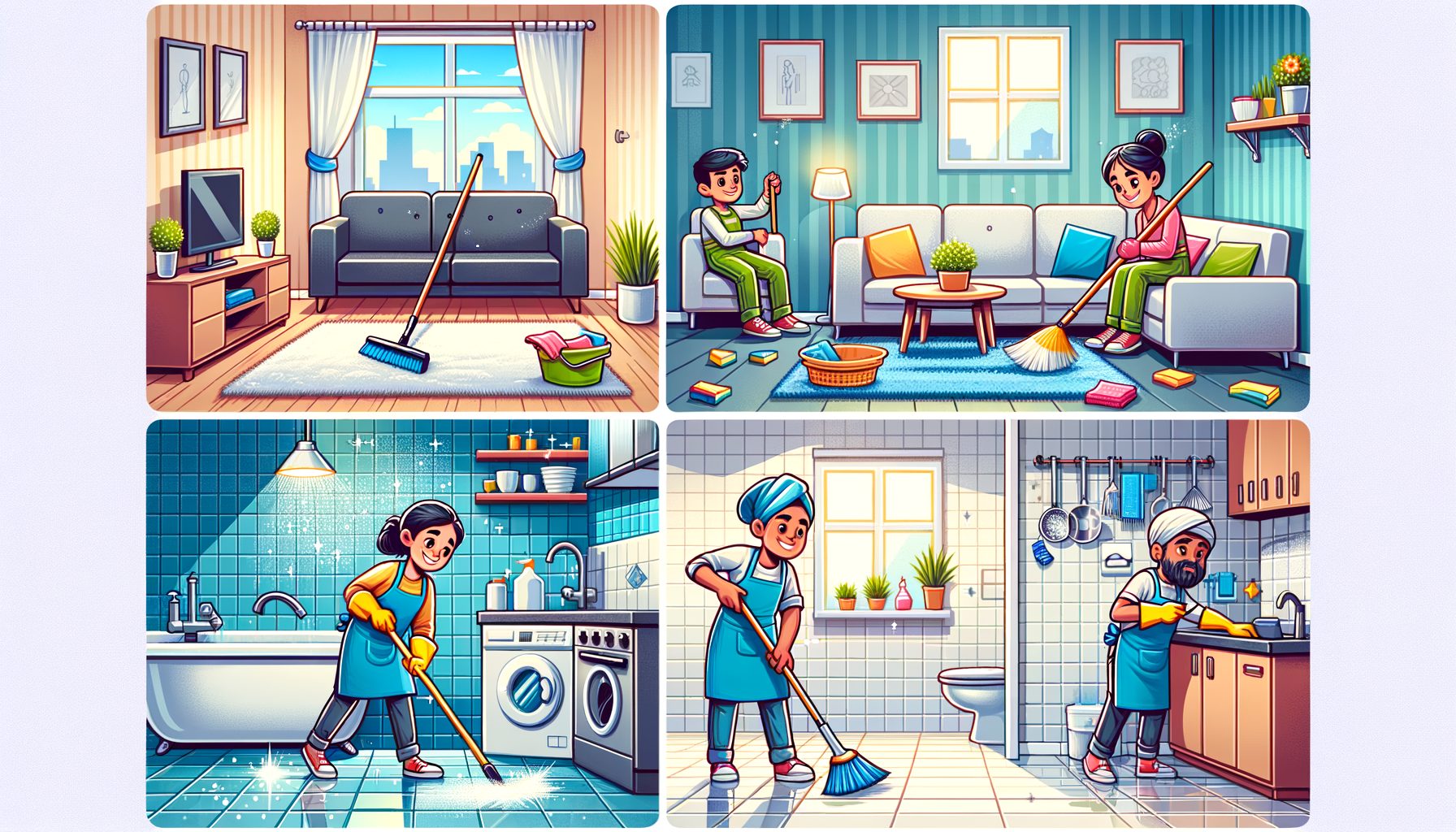
Room-by-Room Walkthrough: Kitchen, Bathroom, Living Areas, and Floors
A fixed sequence helps: declutter, dust top-to-bottom, clean from dry to wet, then finish floors. Move in one direction (left-to-right around the room) to prevent rework. Keep your caddy with you so you resist the urge to wander off and lose momentum.
Kitchen (15–25 minutes): begin by loading dishes or soaking them in hot, soapy water. Clear counters and return items to their homes. If reachable, dust the tops of the fridge and cabinets. Spray counters and the sink with all-purpose cleaner; let it sit while you wipe appliances. For the microwave, heat a mug of water for 1–2 minutes to loosen splatters, then wipe. Degrease stove surfaces; remove burner caps or wipe the glass top. The sink gets scrubbed with a non-scratch sponge, then rinsed and polished with a microfiber. Handles and other high-touch spots are disinfected last; follow label dwell time. Take out trash, replace the liner, and do a quick floor sweep or vacuum before a damp mop pass.
Bathroom (15–25 minutes): remove items from counters and tub edges. Vent covers and light fixtures can be dusted if safe. Spray shower walls, tub, and sink with bathroom cleaner; apply toilet bowl cleaner under the rim. While products work, wipe mirrors with glass cleaner and a clean microfiber. Scrub the sink and faucet, then the shower and tub from top to bottom. Use a brush on grout lines and edges. Scrub the toilet bowl; close the lid, spray the exterior, and wipe from cleanest (tank lid) to dirtiest (base). Disinfect the flush handle and faucet handles last. Replace items, empty the trash, and finish with a quick floor clean. Pro tip: a small squeegee after showers reduces soap scum buildup and halves deep-scrub time later.
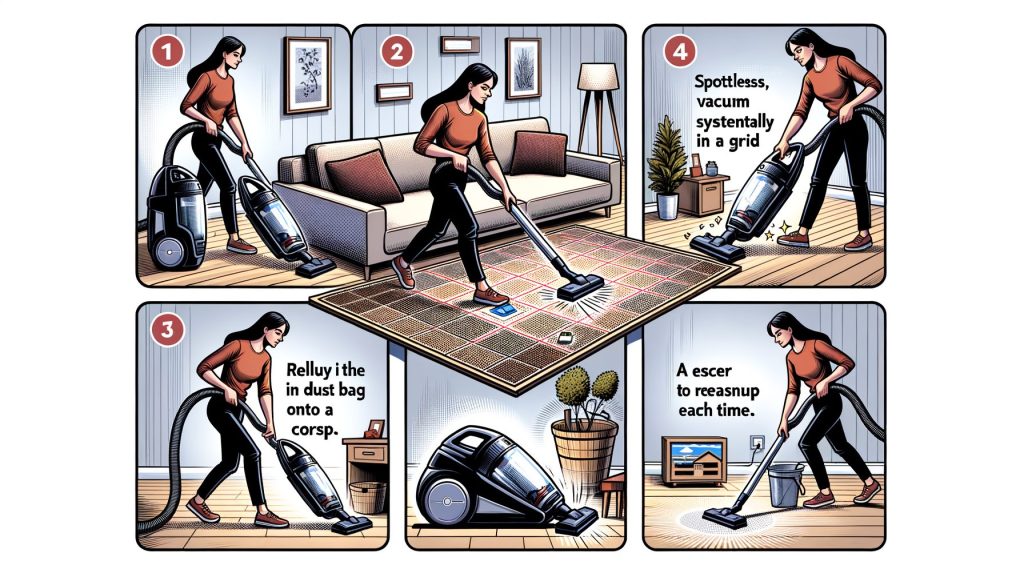
Living areas and bedroom (15–30 minutes): make the bed first—it is a quick visual upgrade. Declutter surfaces, then dust from high to low: shelves, frames, lampshades, and electronics. Use gentle passes over screens. Sticky spots on tables and knobs should be spot-cleaned. Vacuum upholstery seams (crumbs love crevices). Rotate cushions for even wear. If you have pets, a rubber squeegee or pet hair tool on fabric is very effective. Finish with floors: vacuum edges and under furniture where possible, then do the main paths. Mop sealed hard floors with minimal water to prevent streaks and warped boards.
Floors and finishing touches: always vacuum before mopping to avoid muddy streaks. For hardwood or laminate, a manufacturer-approved cleaner or light water with a microfiber mop should be used. For tile, a neutral cleaner and warm water work well. Do not forget air quality—dust or rinse reusable HVAC filters as recommended, and keep vents clear. A monthly 5-minute pass over baseboards and corners prevents that “long-neglected” look. Keep a small touch-up kit (magic eraser, tiny brush, microfiber) in a drawer for surprise scuffs before guests arrive. Thoughtful sequencing plus small daily resets mean “big cleans” become rare and far less stressful.
Make It Stick: Time-Saving Systems, Motivation, and Habits
Consistency beats intensity. Rather than a marathon once a month, stack micro-habits that keep your space above a clean baseline. Start with time-boxing: set a 15-minute timer and stop when it rings. You may be surprised how much gets done with focused effort. A playlist can double as a clock; when three songs end, switch tasks. Habit-stacking also helps: “After morning coffee, wipe the sink and counter”; “After brushing teeth, squeegee the shower.” Attach the new action to a routine you already do.
Batch tasks to reduce context switching. Do all mirrors in the home back-to-back. Empty all trash bins in one run. Group similar surfaces when the right cloth and cleaner are in hand. Motivation low? Use the “starter step”: put on gloves and fill the bucket. Momentum often follows. A visible checklist on your fridge or a shared family app creates accountability. In a one-month trial with two 15-minute resets per day, weekly deep-clean time dropped by about 40%, and weekend stress fell dramatically. Short, predictable sprints beat sprawling, undefined sessions.
Color-code supplies to avoid cross-contamination and thinking fatigue: blue cloth for glass, yellow for kitchen, green for general dusting, red for bathroom. If you have a two-story home, keep duplicates—one caddy per floor saves trips. Pre-load your vacuum the night before a weekly clean so you can start with zero prep. With roommates, rotate a “captain” each week who starts the first 10-minute reset; the social nudge keeps everyone engaged.
Measure what matters. Use simple metrics: sinks clear at night five days a week; vacuum high-traffic areas three times a week; bathrooms fully cleaned once a week. Track wins, not misses. If something keeps slipping (for example, mopping), shrink the scope: mop only the kitchen and entry for a week. Perfectionism is the enemy—good enough, done regularly, outperforms perfect but rare. Celebrate micro-wins, like a streak of three nightly resets. The energy you save will show up in other parts of life, and your home will quietly stay in the “always ready” zone.
Quick Q&A: Common Beginner Questions
Q: Do I need to disinfect daily?
A: No. Daily cleaning (removing dirt) is usually enough. Disinfect high-touch spots during illness, after handling raw meat, or a few times a week. Always follow product labels for dwell time. See guidance from the CDC.
Q: What if I only have 10 minutes?
A: Do the “Big Three”: clear and wipe the kitchen sink area, reset bathroom surfaces, and vacuum the main traffic path. These actions deliver the biggest visible impact quickly.
Q: Are natural products strong enough?
A: For routine cleaning, yes—technique matters most. For disinfection needs, choose a product from the EPA List N and use as directed.
Q: How do I prevent streaks on glass and mirrors?
A: Use a clean, dry microfiber and minimal glass cleaner. Wipe in an “S” pattern from top to bottom. Flip cloth sides frequently, and finish edges last.
Conclusion: Your Simple Path to a Consistently Clean Home
A quick recap. You started with the real problem—overwhelm. You learned a smart, layered routine that focuses on high-impact tasks, a compact kit that saves money and storage space, and a room-by-room sequence that removes guesswork. You also got habit tactics that make cleaning sustainable rather than exhausting. Together, these ideas form a complete system for essential house cleaning for beginners, whether you live solo, with roommates, or with family. The goal is not perfection; it is a home that feels good every day with reasonable effort.
Next step: set a 15-minute timer and do a single pass right now—clear and wipe the kitchen sink and counters, empty trash if it is near full, and vacuum the main path you walk every day. If possible, add a 10-minute bathroom wipe later tonight or tomorrow morning. Put two repeating blocks on your calendar this week for a 20-minute clean each. Keep your caddy ready, and use color-coded cloths to reduce thinking time. If you share your space, assign ownership for floors, bathrooms, and trash so nobody is guessing. Use the table in this guide to target hotspots at the right frequency. Small, regular sprints will keep the mess predictable and the results obvious.
Your home does not need hours to sparkle—just a framework and momentum. Start tiny, stay consistent, and let your space boost your energy instead of draining it. Ready to feel the difference tonight? Set that timer, press play on your favorite songs, and clean your way to a calmer home. What is the first 5-minute win you will claim before the day ends?
Sources and Further Reading
Centers for Disease Control and Prevention (CDC): Cleaning and Disinfecting Your Home
U.S. Environmental Protection Agency (EPA): Safer Choice Certified Products
U.S. EPA: List N Disinfectants
University of California ANR: Microfiber—A Cleaner Environment