You are busy, your space is messy, and you need fast results. That is the core problem Fast House Cleaning Tips try to solve. When life is full of work, study, travel, or parenting, cleaning can feel endless. The good news: speed-cleaning is not about perfection; it is about quick, visible wins that make your home feel fresh in minutes. In this guide, you will learn simple, proven methods to clean faster, remove the mental load, and keep your space guest-ready without spending your whole weekend on chores.
The 10-Minute Reset: A Simple System to Stop Overwhelm and Start Fast
Most people lose time deciding where to begin. Decision fatigue kills momentum. The 10-minute reset removes that problem. Set a timer for 10 minutes and focus on what you can see: surfaces, floors, and entry points. It is not a deep clean. It is a speed-clean that restores order quickly, builds confidence, and prepares you for deeper work when you have more time.
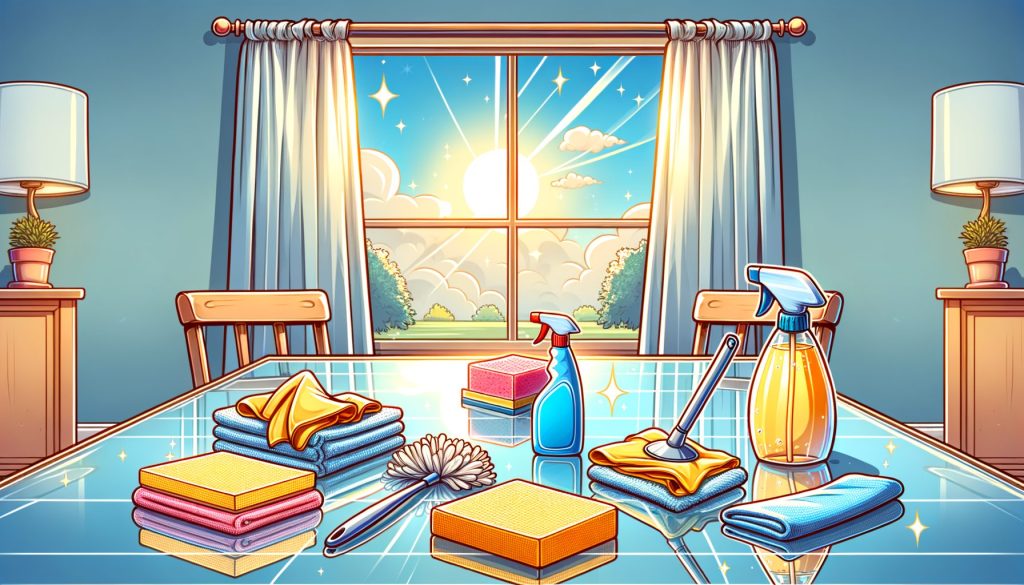
Start at the entry or the most-used room. Why? High-traffic areas give the biggest payoff. Work top-to-bottom and left-to-right to avoid re-cleaning the same spots. First, grab a laundry basket or tote. Visible clutter gets swept into the basket—cups, chargers, random mail. Avoid detours to put things away yet. Staying in one zone prevents time loss from walking back and forth. Next, clear surfaces. A bare surface always looks cleaner than a dusty but cluttered one. Wipe horizontal areas with a slightly damp microfiber cloth and a safe, multipurpose cleaner. That quick pass removes crumbs, prints, and light dust fast.
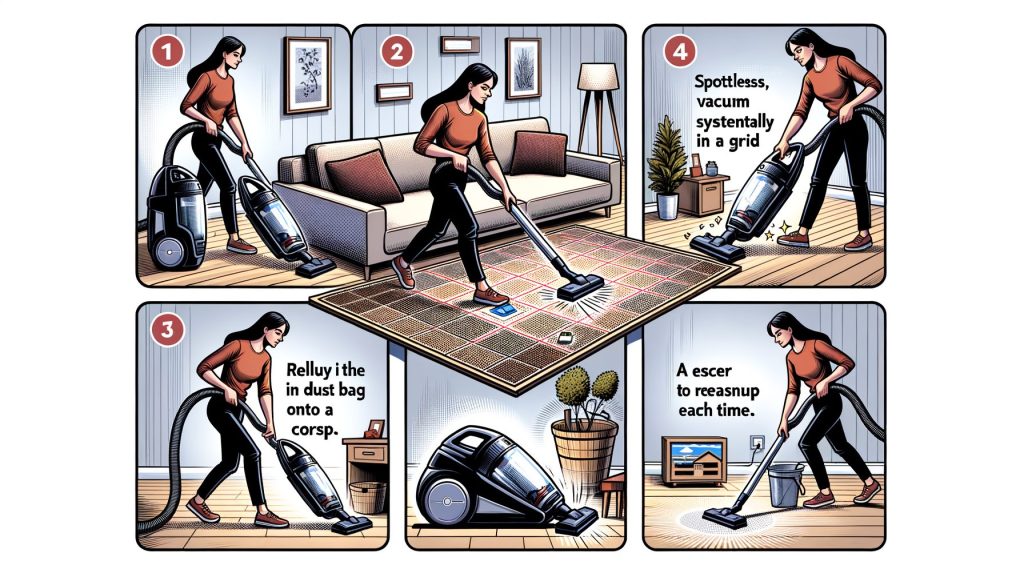
Next up: floors. Quick passes with a cordless vacuum or a broom in open areas make the room feel instantly better. Aim for edges, under tables, and visible debris. Finally, do the “mirror check.” Shine the sink faucet, a mirror, or a glass table with a glass-safe cloth. One shiny surface signals clean to your brain and to anyone who walks in. If you still have time, take the basket to the next room and repeat. If not, park it and finish later.
Why this works: you are stacking small wins. In psychology, reducing task-switching improves speed and lowers stress. When your movements are kept linear and your tools nearby, there is less thinking and more doing. Try this reset once daily. In a week, you will notice less buildup and fewer marathon cleans.
Tools That Make You Faster, Not Busier: Build a Grab-and-Go Cleaning Kit
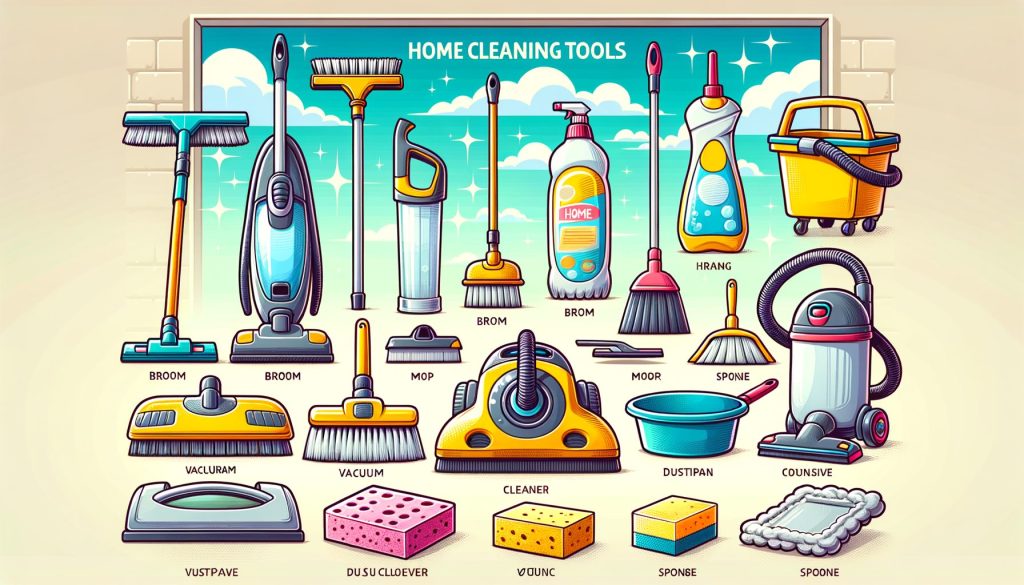
Fast results depend on the right tools, not on more effort. A compact cleaning caddy eliminates searching for supplies and cuts wasted steps. Aim for multi-use, safe products and time-saving tools that work on many surfaces. A basic speed kit includes: a small caddy or tote; two or three microfiber cloths (color-code for kitchen, bath, and general); a non-scratch scrub pad; a squeegee; a lightweight vacuum or broom-and-dustpan; a spray bottle with a gentle multipurpose cleaner; and disposable bags for quick trash. The kit should be kept in a central spot. If your home has multiple floors, consider one kit per level.
What’s interesting too: microfiber is a genuine time-saver. Its split fibers trap dust and grime more efficiently than cotton, so you often need fewer passes and less chemical product. A compact squeegee speeds up glass, mirrors, and shower doors with streak-free results. A cordless vacuum cuts the cord-wrangling and makes spot cleans effortless. If you prefer simple ingredients, diluted white vinegar can handle glass and many hard surfaces—just avoid natural stone and always test first. For disinfecting high-touch areas when needed, use a product approved for your region and follow contact time instructions.
Well, here it is—a quick reference to choose smart gear:
| Tool | Why It Is Fast | Estimated Time Saved per Week |
|---|---|---|
| Microfiber cloths | Fewer passes, less product, no lint | 20–30 minutes |
| Cordless stick vacuum | No cord setup, easy spot cleans | 30–45 minutes |
| Squeegee | Quick, streak-free glass and showers | 10–15 minutes |
| All-purpose cleaner | One bottle for many surfaces | 10–20 minutes |
These savings add up. To cut cognitive load, use labels: mark a cloth “Kitchen,” another “Bath,” and reserve one for glass. Keep refills simple: when you wash towels, toss used cloths into the same laundry load. Bonus tip: put a mini-kit in the bathroom (one cloth, one spray, one scrub pad). You will handle toothpaste spots in 30 seconds instead of ignoring them for days.
For safe disinfecting guidance, review public health resources such as the CDC’s cleaning basics and the EPA’s List N for disinfectants. For microfiber care and selection, independent review sites can help you choose durable cloths that last.
Room-by-Room Speed Plans: Kitchen, Bathroom, Living Areas, and Bedroom
Speed-cleaning is about following the same flow in every room: declutter, surfaces, floors, and one “shiny thing.” Below are fast routines that fit into a tight schedule and still deliver visible results.
Kitchen (8–12 minutes): Start by moving dishes into the dishwasher or stack them neatly by the sink. Fill the sink with hot, soapy water; drop utensils and the dirtiest items to soak. While they soak, wipe counters from cleanest zone to dirtiest (usually prep zones first, stove last). Crumbs go straight to the floor—you will vacuum them later. Spot-wipe appliance fronts and the microwave handle. Give the sink a quick scrub, then drain. Finish with a 60-second floor sweep or vacuum pass. Make one shiny spot: the faucet or the stove top.
Bathroom (6–10 minutes): Drop trash. Spray the sink, taps, and counter. While it sits, swish toilet bowl with a brush, then wipe the exterior with a disinfecting wipe or cloth reserved for toilets. Return to the sink and wipe clean. Hit the mirror with a glass cloth or squeegee. Quick-rinse the shower’s corners where soap scum collects; squeegee the glass. Finish with a 60-second floor pass and replace towels if needed. Shiny thing: the mirror or the tap.
Living areas and entry (6–10 minutes): Basket the clutter (remotes, mail, chargers). Fluff pillows, fold throws, and align furniture edges to square the room visually. Dust in a loop: TV stand, side tables, shelves at eye level. Wipe obvious fingerprints on doors and switches. Vacuum the main traffic lane and under the coffee table. Shiny thing: the coffee table or a glass surface.
Bedroom (6–9 minutes): Make the bed first. It changes the look of the entire room in less than two minutes. Basket visible clutter from nightstands and dressers. Wipe tops and handles. Quick-dust the headboard if needed. Vacuum or sweep paths around the bed and the closet entrance. Shiny thing: a clean nightstand or mirror.
These plans rely on batching. Similar motions are done in sequence, reducing time lost to switching. Research on task-switching shows productivity drops when you jump between unrelated actions. Stick to one flow and you will finish faster with less stress. If you share a home, assign one room per person with a 10-minute timer. Then this—team cleaning multiplies the effect and turns it into a short, focused sprint rather than a long, draining session.
Automation, Habits, and Micro-Wins: Keep It Clean with Less Effort
Speed cleaning works best when supported by small daily habits. Think “maintenance over marathons.” The 2-minute rule is a reliable habit starter: if a task takes under two minutes—wiping a splash, putting shoes on a rack, tossing trash—do it now. These micro-wins prevent clutter layers that require bigger cleans later. A daily “reset” at the same time (after breakfast or before bed) turns order into a routine, not a debate.
Automate where possible. Then this: run a dishwasher overnight so you wake up to a clear sink. Use laundry timers or schedule a load on a day you are home. If a robot vacuum fits your budget, let it handle baseline debris on a schedule while you focus on surfaces. Batch errands and chores together: take trash out when you leave for work, bring laundry when you go to the bedroom, and wipe the bathroom counter while the shower warms up. Such stacked actions save time because they piggyback on existing movement.
Create zones. Store most-used items exactly where you use them: wipes under the bathroom sink, a lint roller by the entry, and a handheld vacuum near the kitchen. Label shelves and baskets so everyone knows the home for each item. Shared spaces need shared rules. Make quick guardrails: no shoes past the entry, dishes back to the kitchen, and five-minute pickup before streaming or gaming. If you live with roommates or family, rotate mini-tasks weekly so the same person does not always get the hardest job.
Energy boosters help, too. A short playlist or a Pomodoro-style timer makes the session feel like a sprint. Keep cleaning sessions short and focused: 10 to 20 minutes is long enough to change the vibe of your home. For deep cleans, schedule a monthly block and keep that list separate so your daily speed cleans stay light. When illness is present or after raw meat prep, follow health guidance and disinfect high-touch spots like handles and switches, allowing proper contact time so products work as intended.
Small habits create big relief. Your home stays cleaner, your weekends stay freer, and you reduce the cycle of stress and clutter.
Quick FAQ: Fast House Cleaning Tips People Ask Most
How do I clean fast when I feel overwhelmed? Start with the 10-minute reset: basket clutter, wipe key surfaces, and do a quick floor pass in the highest-traffic room. Small wins reduce stress and build momentum. Avoid perfection during fast sessions.
What should I clean daily vs. weekly? Daily: dishes, counters, bathroom sink, and visible floors in traffic lanes. Weekly: dusting, full vacuum or mop, mirrors, and bedding. Monthly: deep-clean appliances, baseboards, and inside cabinets.
Do I need many products to clean quickly? No. A multipurpose cleaner, microfiber cloths, a scrub pad, and a lightweight vacuum cover most needs. Add a glass cloth and a safe disinfectant for high-touch areas when required.
How can I speed-clean with kids or roommates? Time-box the task (10 minutes), give each person one room or one role, and use a checklist. Turn on a short playlist and end with a quick review so items return to their zones.
Conclusion: Your Fast-Action Plan Starts Now
You began this guide because cleaning felt heavy and time was short. You learned how a 10-minute reset breaks decision fatigue, how a smart kit with microfiber cloths, a lightweight vacuum, and a squeegee speeds everything up, and how room-by-room flows deliver visible results in minutes. You also saw how simple habits—two-minute actions, automation, and clear zones—keep your home tidy without marathon sessions.
Well, here it is—your next step: set a timer for 10 minutes today and run the reset in your highest-traffic room. Use one basket for clutter, wipe visible surfaces, and finish with a fast floor pass and one shiny highlight. Tomorrow, repeat in a different space. Build your grab-and-go kit this week and place it where you can reach it fast. If you share your home, assign a room to each person and make it a short, focused sprint.
Speed-cleaning is not about perfect corners. It is about a home that supports your life, not a life that serves your home. When you keep tasks small and tools ready, you will feel the difference in your mood, your time, and your space. You deserve a home that feels fresh even on your busiest days. Start with ten minutes, and let those minutes compound into calm.
Ready to try it now? Press start on a 10-minute timer, pick up a cloth, and change one room. You got this. Which room will you reset first?
Helpful resources:
CDC: Cleaning and hygiene basics
EPA: List N disinfectants and contact times
American Psychological Association: The myth of multitasking and task switching
Wirecutter: Guide to microfiber cleaning cloths
Sources:
Centers for Disease Control and Prevention. Cleaning and hygiene basics. Accessed 2026.
U.S. Environmental Protection Agency. List N: Disinfectants for use against SARS-CoV-2. Accessed 2026.
American Psychological Association. Multitasking and task switching research summary. Accessed 2026.
Wirecutter (The New York Times). Microfiber cloths buying guide. Accessed 2026.