Weekend after weekend spent scrubbing tile and chasing soap scum? You’re not alone. Grime builds fast in bathrooms—hard water drops mineral spots, steam feeds mildew, and high-touch areas collect germs. The good news is simple: with a handful of proven tricks, you can trim cleaning to minutes and still get a hotel-style shine. In the guide below, you’ll see why the mess returns so quickly, a realistic 10-minute speed-clean, household staples that truly work, and a deep-clean plan for mold, grout stains, and hard water. Let’s turn the least-loved chore into a quick, satisfying win.
Why Your Bathroom Gets Dirty Again So Fast (and how to stop it)
Moisture, mineral-heavy water, and daily product residue collide in bathrooms. Every shower releases warm vapor that settles onto mirrors, tile, and grout, creating a damp landing zone where soap residue and skin oils cling. Add toothpaste flecks, shed hair, plus shampoos and body washes, and a film forms that draws dust and dirt in hours. In many homes, minerals such as calcium and magnesium are deposited by hard water; they react with soap to make scum and limescale—the chalky crust on glass and fixtures. If your region has hard water (common across the U.S.—see the U.S. Geological Survey’s overview), buildup comes faster and sticks harder.
Biofilm plays a role as well. When moisture lingers, microorganisms create a slimy layer on surfaces. Routine cleaning removes most grime, but skipping proper dwell time (letting cleaners sit) merely breaks the film without fully lifting it. The result? Cloudy glass that re-fogs and grout that re-grays sooner than you’d expect. What’s interesting too: airflow is often the missing piece. In spaces with weak ventilation, humidity can sit above 60% long after a shower, letting mildew get into porous grout in a day or two. Even without upgrading a fan, tiny habits—squeegeeing glass, running the fan 20 minutes post-shower, cracking the door—slow the cycle dramatically.
And then there are high-touch zones. Flush handles, faucet levers, and light switches gather oils and germs with every use. Your bathroom isn’t automatically the dirtiest room at home, but moisture plus frequent contact concentrate the problem. The fix is straightforward: do small things often. Daily micro-habits—wipe the mirror splash zone, squeegee the walls, spot-spray the toilet and sink—stop the “deep-clean dread” and keep surfaces cleaner longer with far less effort.
Craving a quick win? Spend 60 seconds on a post-shower squeegee and 30 seconds wiping the sink each day. Fewer water spots, less haze, and a big cut in weekly scrubbing follow.
The 10-Minute Speed-Clean Blueprint (realistic, repeatable, satisfying)
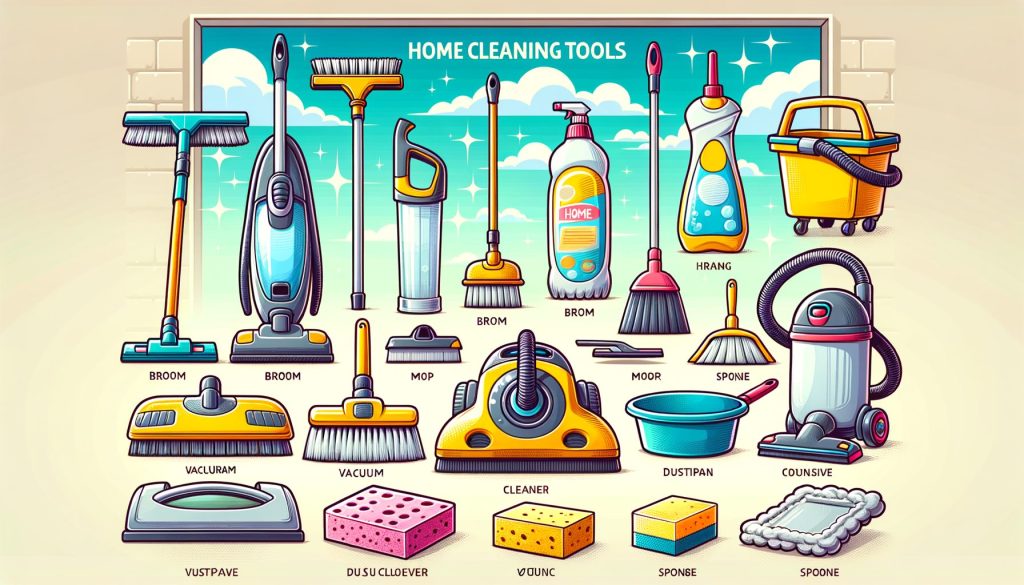
When time is tight, go for impact. Aim for visible sparkle and solid hygiene in under 10 minutes—no need to drag out a full closet of supplies. Stock a small caddy: a foaming all-purpose bathroom cleaner (or a dish soap solution), a disinfecting spray (EPA-registered for your needs), two microfiber cloths (one for glass, one for other surfaces), a scrub sponge, paper towels for the toilet, and a squeegee. Keep the kit nearby; if hunting for bottles is required, procrastination wins.
Well, here it is—your minute-by-minute:
– Minute 0–1: Clear counters and tub ledges. Toss trash. Open a window or switch on the fan for airflow.
– Minutes 1–3: Mist all-purpose cleaner on the sink, faucet, counters, and toilet exterior (tank, handle, seat, base). Lightly spray shower/tub walls and glass. Let the cleaner sit; dwell time does the heavy lifting.
– Minutes 3–4: Hit mirrors first. Use a barely damp microfiber with a drop of dish soap to cut haze, then buff with a dry cloth for a streak-free finish.
– Minutes 4–6: Wipe the sink and faucet, working high to low. Quick-scrub the tub or shower with a sponge; squeegee the glass for instant clarity.
– Minutes 6–8: Disinfect high-touch spots if needed (toilet handle, flush buttons, faucet levers, door handles, light switches). Keep surfaces visibly wet for the label’s stated contact time.
– Minutes 8–10: Toilet last. Spray disinfectant inside the bowl, brush, then flush. Wipe the exterior with disposable paper towels (not your sink cloth). If 30 seconds remain, do a fast floor sweep or spot mop.
Pro tips for speed:
– Two cloths, two zones: one for glass, one for everything else to avoid cross-contamination.
– Work top to bottom, clean to dirty, dry to wet. Fewer passes, less rework.
– Keep a shower squeegee hanging; one minute daily saves five later.
– A wet pumice stick can remove mineral rings in porcelain bowls (check your toilet manufacturer and always wet both pumice and surface first).
Quick-reference guide:
| Problem | Fast Fix | Wait/Dwell Time | Time Saved Later |
|---|---|---|---|
| Foggy mirror/toothpaste specks | Microfiber + tiny drop of dish soap, then buff dry | None | Holds off haze for days |
| Soap scum on glass | Spray, wait 2–5 min, wipe, squeegee | 2–5 minutes | Less scrubbing next time |
| High-touch germ zones | Disinfectant spray/wipe per label | Per product label | Longer intervals between disinfecting |
| Hard water spots | Vinegar/citric acid pre-soak, then wipe | 5–10 minutes | Easier wipe-downs later |
If you want to confirm disinfectant choices and proper contact times, see the U.S. EPA’s guidance: Safer Choice program and pathogen-specific lists like EPA List N.
Household-Item Bathroom Cleaning Hacks That Actually Work
You don’t need a shelf of specialty products. With correct use, a few common items handle most bathroom messes.
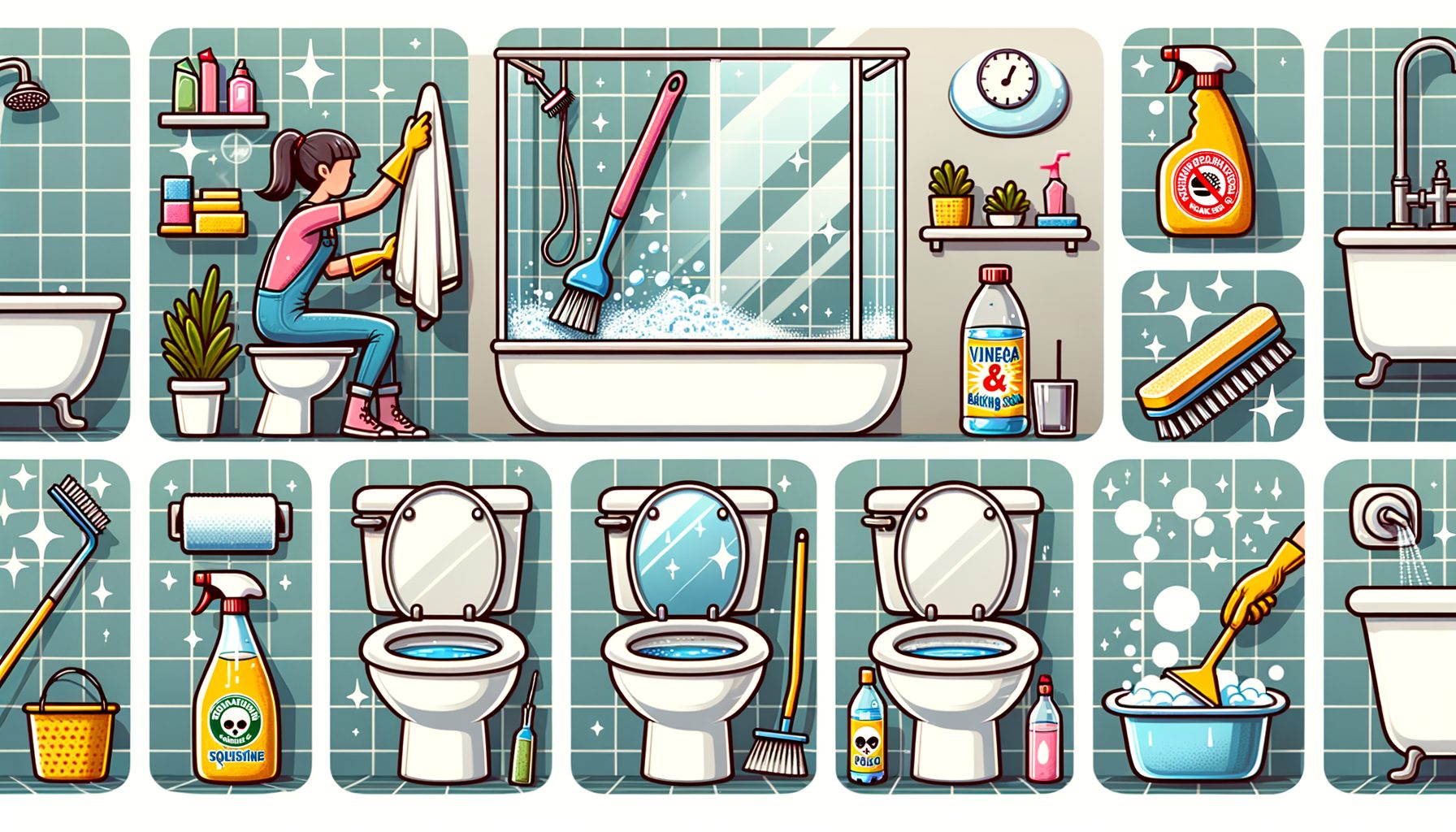
Vinegar or citric acid (for minerals): Acids dissolve limescale and water spots on glass, faucets, and tiles. Spray white vinegar or a citric acid mix (1 tablespoon citric acid powder per cup warm water), wait 5–10 minutes, then wipe and rinse. For faucets, soak a cloth in vinegar, wrap the spout, and secure with a hair tie for a targeted soak. Important: avoid acids on natural stone (marble, travertine), and never mix vinegar with bleach or products that may contain bleach.
Baking soda paste (for grime and deodorizing): Combine baking soda with a little water. The gentle abrasive lifts soap scum in tubs and sinks without scratching most enamel or acrylic. Spread, wait 5 minutes, then rub with a damp sponge and rinse. For grout haze, sprinkle on damp grout, rest 5–10 minutes, scrub with a soft brush, and rinse well.
Dish soap (for oils and body-wash film): A few drops in warm water cut oily residues on tubs and shower walls. It’s an ideal first pass before anything stronger. Pair with a non-scratch scrub sponge.
Hydrogen peroxide 3% (for stains and mildew spots): Peroxide can brighten grout and silicone caulk stains. Spray or dab on discolored areas, allow up to 10 minutes, scrub lightly, and rinse. Always spot test colored grout. Under-seat toilet stains respond too—apply, wait, then scrub.
Rubbing alcohol (for glass brilliance): After cleaning mirrors or glass, a wipe with a cloth dampened in rubbing alcohol removes the last streaks. It evaporates quickly and leaves a crisp shine.
Dryer sheet trick (for soap scum): A damp dryer sheet helps loosen soap scum on glass and chrome. Wipe, then follow with your usual cleaner and rinse. Treat it as a booster, not the main act.
Tea tree oil or eucalyptus oil (optional odor control): A drop or two in your toilet brush holder water can help with odors. Rinse and refill the holder regularly. Essential oils offer fragrance, not disinfection.
Safety basics:
– Never mix acids (vinegar/citric acid) with bleach or ammonia; ventilate well.
– Rinse metals thoroughly after acids to protect finishes.
– Patch test new methods in an inconspicuous spot first.
– Gloves help if your skin is sensitive.
Curious about water hardness where you live? Check the U.S. Geological Survey’s overview: USGS Water Hardness.
Deep-Clean Strategy for Mold, Grout, and Stubborn Hard Water (plus safe disinfecting)
When soap scum hardens and mildew creeps into corners, a focused deep clean pays off. Pre-treat first, let chemistry work, and protect surfaces as you go.
1) Pre-ventilate and declutter: Windows are opened or the exhaust fan is run. Remove shampoos, toys, and mats so every surface can be reached.
2) Hard water and soap scum come first: Spray shower glass, tile, and fixtures with an acid cleaner (vinegar or citric acid solution). For heavy buildup, press vinegar-soaked paper towels onto hot spots to keep them wet for 10–20 minutes. While that sits, move to grout.
3) Grout and caulk care: For dingy grout, apply baking soda paste and mist to keep it moist. Stained areas? Dab with 3% hydrogen peroxide. Wait 10 minutes, scrub with a soft bristle brush, and rinse thoroughly. If silicone caulk shows black stains that resist peroxide, colonization beneath the surface is likely—re-caulking is often the lasting fix.
4) Rinse and neutralize: After acid soaks, scrub gently with a non-scratch pad and rinse well. Don’t let acids linger on metal; rinse promptly to protect finishes. Dry glass with a squeegee for a streak-free look.
5) Toilet deep reset: Fighting mineral rings? Lower the water level by shutting off the valve and flushing. Apply a toilet descaler or vinegar soak. Then this: for stubborn rings, a wet pumice stick with gentle, steady strokes on porcelain works wonders. Avoid pumice on non-porcelain surfaces; consult your manufacturer.
6) Disinfect smartly, not excessively: Clean first, then disinfect high-touch zones (toilet handle, seat, faucet handles, door handles). Soils are removed by cleaning; disinfecting reduces germ load. Choose an EPA-registered product and honor the label’s contact time—the surface must stay visibly wet the whole time. Guidance:
– EPA: How to read disinfectant labels
– CDC: Cleaning and disinfecting your home
7) Prevent the comeback: Prevention beats cure. After showers, a 60-second squeegee removes water that would dry into spots. Keep a small microfiber under the sink to wipe the splash zone daily. Microfibers should be laundered separately (skip fabric softener) to preserve their grabby texture.
Mold and moisture notes: Persistent patches larger than a small area call for better ventilation and possibly a dehumidifier. For post-flood or significant mold issues, follow health guidance from reliable sources like the CDC: Mold cleanup basics. If your bathroom features natural stone, stick with pH-neutral cleaners to avoid etching.
FAQ: Quick Answers to Common Bathroom Cleaning Questions
Q1: How often should I clean the bathroom?
A: Do tiny daily touches (squeegee glass, wipe sink splashes) and a speed clean once or twice a week. Plan a deeper clean for grout, glass, and fixtures every 2–4 weeks, depending on use and water hardness.
Q2: Is vinegar safe for everything?
A: No. Keep vinegar away from natural stone (marble, travertine, limestone), unsealed grout, and some metal finishes. Never mix vinegar with bleach or products that could contain bleach. Rinse metals after acid use.
Q3: What’s the fastest way to keep shower glass clear?
A: Squeegee after every shower, plus a weekly 5–10 minute acid soak (vinegar or citric acid) to dissolve minerals. Finish by drying with a microfiber for a streak-free result.
Q4: Do I really need to disinfect every time?
A: Not necessarily. Regular cleaning is enough for most surfaces. Disinfect high-touch zones more often during illness or heavy use. If disinfecting, clean first and follow the label’s contact time.
Conclusion: Make Your Bathroom Shine—Fast, Safe, and Consistently
Bottom line? Bathrooms get grimy quickly because moisture, minerals, and daily products create a film that attracts dirt. Break the cycle with simple habits: small daily touches, proper dwell time so cleaners work for you, and safe household standbys—vinegar or citric acid for minerals, baking soda for grime, dish soap for oils, hydrogen peroxide for stains. The 10-minute speed-clean blueprint hits what matters: mirrors, sink, shower, high-touch spots, and the toilet. When a deeper reset is needed, a smart pre-soak plus gentle scrubbing and correct disinfectant use restores even stubborn areas without burning you out.
Don’t let the mess snowball. Set up a tiny caddy, hang a shower squeegee, and add a weekly 10-minute reminder to your phone. For quick momentum, try the “two-minute rule”: wipe the sink and mirror the moment you spot splashes—it’s faster than you think and stops buildup that steals your weekend. Share the routine with a roommate or partner and turn maintenance into a team habit; the whole bathroom stays cleaner with almost no extra effort.
Your bathroom can look guest-ready most days with minimal time and zero stress. Start with one habit today—squeegee after showers or a nightly 60-second sink reset—and build from there. You’ll see the difference in a week. Ready to make your space sparkle? Grab a cloth, set a 10-minute timer, and go. What small change will you make first to win back your time and shine?
Sources
– U.S. EPA Safer Choice: https://www.epa.gov/saferchoice
– EPA List N (disinfectants): https://www.epa.gov/coronavirus/about-list-n-disinfectants-coronavirus-covid-19
– CDC Cleaning and Disinfecting Your Home: https://www.cdc.gov/hygiene/cleaning/cleaning-your-home.html
– CDC Mold Cleanup: https://www.cdc.gov/mold/clean-up-after-flood.html
– USGS Water Hardness Overview: https://www.usgs.gov/special-topic/water-science-school/science/hardness-water
– American Cleaning Institute—Bathroom Tips: https://www.cleaninginstitute.org/consumers/cleaning-tips/cleaning-bathroom