Your bedroom should recharge your body and mind. Yet clutter, dust, and laundry piles can flip it into a stress zone. A steady Bedroom Cleaning Routine shields your sleep, improves air quality, and brings back calm—without marathon scrubbing. Well, here it is: a practical, step-by-step system that fits small rooms, shared spaces, and jam-packed family schedules. Follow the daily, weekly, and monthly actions below and, within days, you’ll notice cleaner air, faster mornings, and a room that finally reads as a tidy sanctuary.
Why a Bedroom Cleaning Routine Matters (Sleep, Health, and Mindset)
Many of us spend a third of life in the bedroom, yet it’s often the least-optimized space in the home. Sleep specialists point out that a dark, quiet, and clean environment supports deeper rest and a better mood the next day. When dust, allergens, and clutter build up, they don’t just look messy—they elevate irritation, disrupt sleep, and add decision fatigue in the morning. What’s interesting too, allergens such as dust mites thrive in soft surfaces like mattresses and pillows and can aggravate sneezing and congestion. Simple moves—washing bedding on schedule and vacuuming with a HEPA filter—make a measurable difference in comfort and breathing quality. For indoor air quality basics and why it matters, see the U.S. Environmental Protection Agency’s guidance on indoor air quality and ventilation: EPA IAQ.
There’s also a mindset shift. Clutter acts like a constant “visual to-do list.” When the room is tidy, your brain sees fewer unresolved tasks. A routine trims the number of micro-decisions you make each day (Where are my socks? Is that shirt clean?), which saves time and lowers stress. That’s especially important for Gen Z and remote workers who use bedrooms for studying, gaming, or part-time offices. A clear system keeps zones defined and protects boundaries between rest and productivity.
Finally, your investment is protected by routine care. Mattresses last longer when rotated and protected; linens feel better when washed on a cadence that matches your habits and climate; floors and surfaces stay sharp when dust never gets a chance to settle. The best part? A routine can be simple and flexible. With a 10-minute daily reset, a weekly checklist, and a straightforward monthly plan, you’ll build a low-effort rhythm that sticks—and keeps your sanctuary truly relaxing.
The 10-Minute Daily Reset (Small Habits, Big Results)
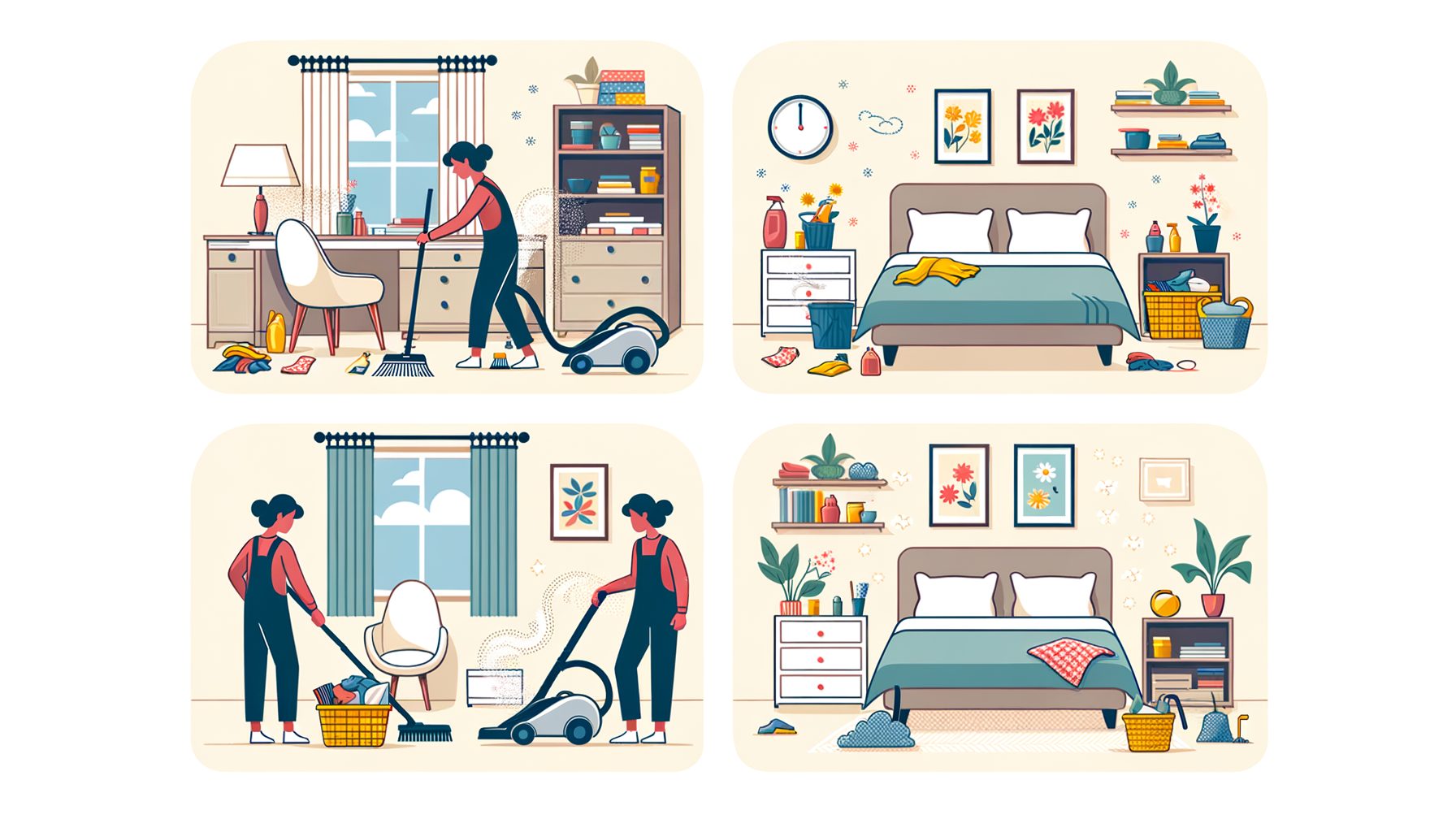
The quickest path to a consistently tidy bedroom is a short daily reset. Think maintenance, not makeover—five to seven micro-actions that stop clutter and grime from taking root. Keep basic tools in the room (a hamper, a small trash can, a microfiber cloth) so you can move fast without hunting for supplies.
Try this sequence—about 10 minutes total:
1) Make the bed (2 minutes). Pull the sheet tight, shake out the duvet, and fluff pillows. A neat bed instantly cuts visual clutter and sets the tone for the room.
2) Then this—rapid clothes triage (2 minutes). Clean items go straight into the closet or drawers. Worn pieces land in the hamper. Add a “re-wear” hook for lightly used items like jeans to prevent floor piles.
3) Clear surfaces (2 minutes). Nightstand, desk, dresser. Return items to assigned trays or small bins. Keep only essentials within reach: lamp, book, water, charging dock.
4) Quick dust wipe (2 minutes). Use a dry microfiber cloth on the nightstand, lamps, and headboard. That cuts down on buildup and makes weekly cleaning faster.
5) Reset the floor (2 minutes). Pick up anything on the floor, then do a 60-second sweep or vacuum pass in high-traffic areas if needed.
Two tips make the reset stick. First, habit-stack it to something you already do: right after brushing your teeth or just before you start streaming. Second, lower friction with “stations”: a basket for cords, a catch-all tray for rings and earbuds, a hamper within arm’s reach, and a compact trash bin near the nightstand. The easier it is to put things away, the more likely it happens on autopilot.
Sharing the space? Assign clear roles: one person makes the bed and handles trash; the other manages laundry and surfaces. Use a simple timer or shared playlist to keep it light and quick. After a week, you’ll notice less dust, fewer lost items, and smoother mornings because the room resets itself with almost no thought.
Weekly Deep Clean Checklist (Order, Timing, and What Actually Matters)
Here’s where you beat dust and keep fabrics fresh. Work top to bottom so you don’t clean the same spot twice. For most bedrooms, the session takes 30–45 minutes. Choose the same day each week (e.g., Sunday afternoon) to build the habit.
Follow the flow:
1) Strip and wash bedding: sheets, pillowcases, and duvet cover if needed. Use hot water when fabric care tags allow. For washing-frequency guidance, see Sleep Foundation’s recommendations: How often to wash sheets.
2) Declutter surfaces: remove items, empty nightstand trash, and return essentials. Group cords with Velcro ties to reduce tangles and dust traps.
3) Dust high to low: ceiling corners, fan blades, top of wardrobe, frames, headboard, lamps, blinds. Use a slightly damp microfiber to capture particles rather than spread them.
4) Clean glass and touchpoints: mirrors, doorknobs, drawer pulls, switches. A mild cleaner or a DIY mix (water + a little dish soap) works for most finishes.
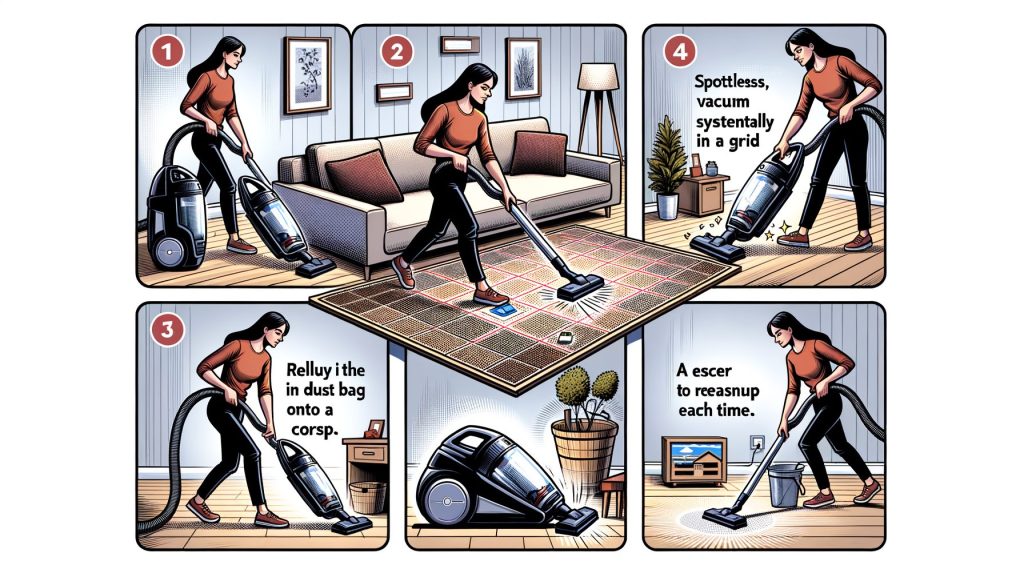
5) Vacuum or mop floors: a HEPA vacuum captures fine particles best. Move slowly along baseboards and under the bed. If you have area rugs, vacuum both sides monthly.
6) Replace bedding and do a final reset: remake the bed, replenish tissues, and restock a small bottle of water or sleep mask if you use one.
Estimated times and priorities:
| Task | Why it matters | Estimated time | Frequency |
|---|---|---|---|
| Wash sheets/pillowcases | Removes sweat, oils, and allergens for better sleep | 5 min load start (plus machine time) | Weekly |
| Dust top-to-bottom | Prevents buildup and re-settling on clean surfaces | 10–12 min | Weekly |
| Clean mirrors/touchpoints | Improves hygiene and clarity; reduces smudges and germs | 5–7 min | Weekly |
| Vacuum with HEPA | Captures fine dust and allergens in carpets/rugs | 10–15 min | Weekly |
| Under-bed pass | Stops dust bunnies and hidden clutter | 3–5 min | Weekly |
Pro tip: Keep a small caddy stocked with a microfiber cloth, all-purpose cleaner (Safer Choice labeled products are a good option: EPA Safer Choice), glass spray, and extra trash bags. Store it in or near the bedroom so you can start without prep. If you’re sensitive to allergens, check guidance on dust mites and bedding care from the Asthma and Allergy Foundation of America: AAFA Dust Mite Allergy. Finish by opening a window for 10 minutes (weather and outdoor air quality permitting) to refresh the room.
Monthly and Seasonal Maintenance (Air Quality, Storage, and Long-Term Calm)
Monthly and seasonal tasks protect your sleep environment and cut down the need for massive deep cleans. Add calendar reminders so you never wonder, “When did I last flip the mattress or wash the pillows?” Start here:
Monthly tasks:
– Mattress care: Rotate 180 degrees (or flip if double-sided) to even out wear. The surface can be vacuumed with a clean upholstery tool to remove dust.
– Pillows and duvets: Wash pillows if the care tag allows (many synthetics are machine-washable; foam cores typically are not). Air out duvets in sunlight for freshness.
– Curtains and blinds: Dust or vacuum with a brush attachment. If allergies are severe, launder curtains quarterly.
– Closet refresh: Do a 15-minute edit. Pull items you haven’t worn in months, group by type, and pre-sort donations. Slim hangers save space.
– Air care: If you use an air purifier, check the filter indicator or replace filters per manufacturer guidelines. For energy-efficient options, see ENERGY STAR air purifiers: ENERGY STAR Air Purifiers.
Seasonal tasks (every 3–6 months):
– Wash the mattress protector and clean the bed frame, including slats.
– Launder or dry-clean bulky bedding (duvet/comforter/blankets) per care labels.
– Deep-clean baseboards, vents, and the closet floor. Sort seasonal clothing into labeled bins and store under the bed in low-profile containers if space is tight.
– Review the sleep environment: check light leakage, noise, and temperature. For healthy sleep basics and routines, see the CDC’s overview: CDC: About Sleep.
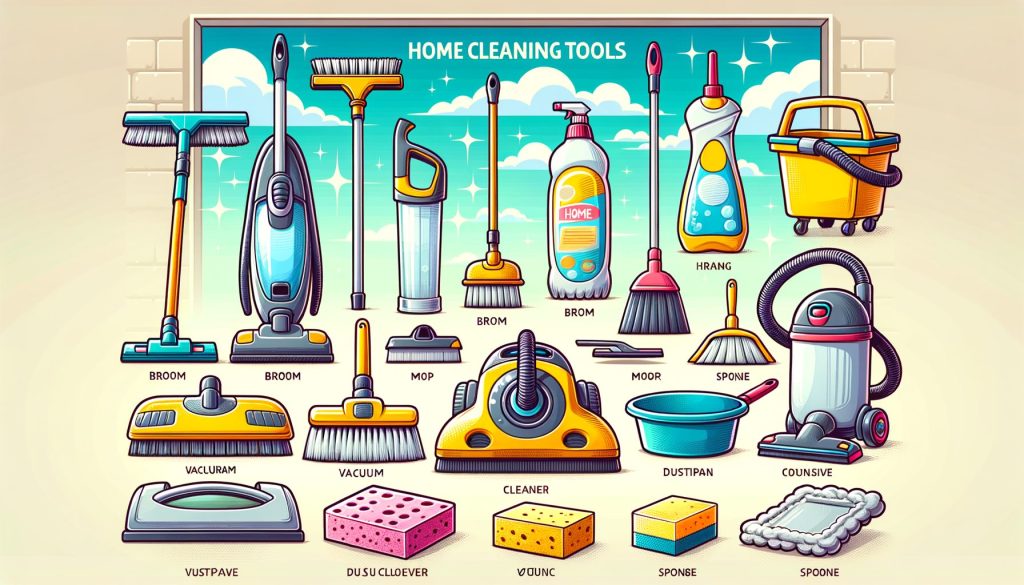
Smart tools to make it easy:
– HEPA vacuum: Essential if you have rugs, carpets, or allergies. A good seal and HEPA bag or filter help capture fine particles rather than blowing them back into the room.
– Microfiber cloths: Washable, lint-free, and effective with just water for most dusting tasks.
– Lidded hamper and small trash bin: Reduce odors and visual clutter; keep the daily reset simple.
– Bedside catch-all and cable ties: Tame micro-mess (earbuds, chargers, lip balm) so surfaces stay clean.
– Gentle, fragrance-optional cleaners: Choose labels that meet your health and environmental preferences. If you’re sensitive to scents, go unscented and ventilate during use.
The secret is consistency over intensity. Perfection isn’t required—you just need a rhythm that survives finals week, busy work seasons, or travel. Block 10 minutes daily, 40 minutes weekly, and an hour monthly. Then this: within a month, your room looks better, feels fresher, and stays that way with minimal effort.
FAQs: Bedroom Cleaning Routine
Q: How often should I wash my sheets and pillowcases? A: Weekly suits most people. If you sweat heavily, have allergies, or share the bed with pets, aim for every 3–4 days. In cooler, dry climates, 10 days can work—but don’t stretch beyond two weeks.
Q: What’s the best way to reduce dust fast? A: Go high-to-low with a slightly damp microfiber cloth, then vacuum with a HEPA filter. Focus on fan blades, headboard, blinds, and under the bed—areas that shed dust into the air when disturbed.
Q: I’m busy—what if I miss a week? A: Skip the marathon clean. Restart with the 10-minute daily reset for three days, then run a single weekly deep clean. Consistency beats intensity.
Q: Do I need special cleaners for the bedroom? A: Usually no. A solid all-purpose cleaner, glass spray, and microfiber cloths handle most jobs. Choose fragrance-free or Safer Choice–certified products if you have sensitivities.
Q: How can I keep the floor clear in a small room? A: Use under-bed bins, wall hooks, and a slim hamper. Limit surfaces to essentials and give every item a home. The daily 2-minute floor reset is the linchpin.
Conclusion: Build Your Routine, Protect Your Rest, Enjoy Your Space
Tidy isn’t about perfection—it’s about reliable habits that protect your sleep, your air, and your time. You’ve learned why a Bedroom Cleaning Routine matters for health and mindset, how to run a 10-minute daily reset, what to tackle in an efficient weekly deep clean, and which monthly and seasonal actions keep dust and clutter from returning. With a simple toolkit and clear priorities, your room can stay fresh and welcoming all year.
Here’s the action plan: tonight, do the 10-minute reset. Tomorrow, pick a weekly cleaning day and set a calendar reminder. Over the next month, rotate your mattress and launder pillows when possible. Set a 60-day note to revisit storage and edit your closet. If allergies are an issue, consider upgrading to a HEPA vacuum and washing sheets more often. Keep a small caddy in or near your bedroom so momentum is always one step away.
Make it personal and stress-free. Your routine should fit your life, not the other way around. If you study or work in your bedroom, protect the sleep zone by keeping the bed made and surfaces clear; if you share the space, split tasks and use a shared playlist to keep it light. Celebrate wins you can feel: fewer sneezes, faster mornings, a calmer mind when you turn out the lights.
Start now—small steps compound into lasting calm. Bookmark this guide, set a timer for 10 minutes, and reset your room tonight. You deserve a sanctuary that supports your best self. What’s the one thing you’ll do in the next five minutes to make your bedroom feel more like home?
Sources
U.S. Environmental Protection Agency – Indoor Air Quality: https://www.epa.gov/indoor-air-quality-iaq
CDC – About Sleep: https://www.cdc.gov/sleep/about_sleep/index.html
Sleep Foundation – How Often Should You Wash Your Sheets?: https://www.sleepfoundation.org/bedroom-environment/how-often-should-you-wash-your-sheets
EPA – Safer Choice: https://www.epa.gov/saferchoice
Asthma and Allergy Foundation of America – Dust Mite Allergy: https://www.aafa.org/dust-mite-allergy/
ENERGY STAR – Air Purifiers: https://www.energystar.gov/products/air_purifiers_cleaners