Ever glance up at 7 p.m. and think, Wait—didn’t I clean yesterday? You’re not alone. The issue usually isn’t that you’re “bad at cleaning”; without a simple system, clutter and dust outrun your energy and time. With a Daily House Cleaning Routine, chaos is broken into quick, repeatable steps that keep mess small and manageable. You’ll get a streamlined plan that fits busy schedules, spells out what to do and when, and shows how a few smart habits add up to a consistently sparkling home.
Why a Daily Routine Works: Less Stress, More Sparkle
Most people assume a clean home demands hours each day; in reality, the opposite tends to be true. Short, focused daily routines cut both time and stress. Momentum is the secret. Rather than wait for laundry mountains or kitchen disasters, you head them off with quick, predictable tasks. That rhythm saves decision energy—researchers call it decision fatigue—and your environment stays peaceful, not panicked.
Health gets a boost, too. High-touch surfaces carry germs, dust aggravates allergies, and kitchens can become bacteria hot spots without regular attention. A few targeted minutes reduce those risks dramatically. Share space with roommates, partners, or kids? A routine builds fairness and clarity—no one has to guess who’s doing what. What’s interesting too: in my work with busy households, the biggest breakthrough usually isn’t a fancy product; it’s a fixed 15–25-minute daily block with a repeatable checklist. Once people see how little time it takes, resistance drops and results stick.
Here are a few data points that make daily cleaning worth it:
| Topic | Key Fact | Source |
|---|---|---|
| Time on household tasks | Adults spend roughly 1–2 hours daily on household activities; routines streamline that time. | BLS American Time Use Survey |
| Health & hand hygiene | Proper handwashing can reduce respiratory illnesses by about 16–21%. | CDC Handwashing |
| Air quality | HEPA filters capture 99.97% of particles 0.3 microns in size, helping reduce fine dust. | EPA on HEPA Filters |
| High-touch surfaces | Regular cleaning of frequently touched surfaces is recommended to reduce germ spread. | CDC Cleaning Guidance |
Another perk: progress shows up fast. Make the bed, clear the counters, empty the sink; in minutes, the room feels different—the quick-win effect keeps motivation high. Over time, fewer things are out of place, fewer items go missing, and your home becomes easier to live in—and to invite people to. Best of all, a tight checklist lets you maintain it in under half an hour a day.
The 20-Minute Daily Cleaning Checklist (Room-by-Room)
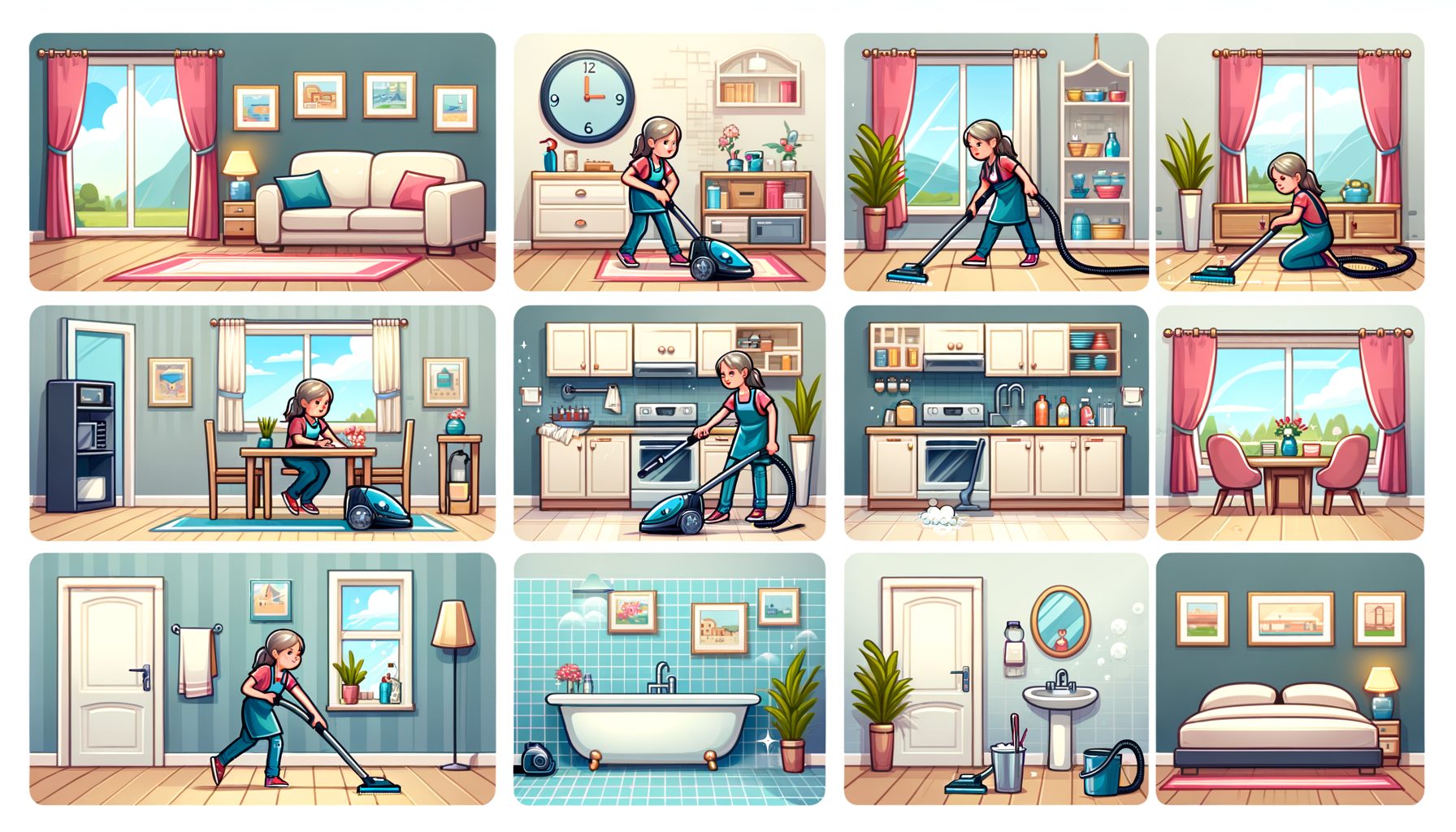
Treat the next section like a speed-clean playbook. Set a 20-minute timer, cue a favorite playlist, and move in the same order every day. Perfection isn’t the aim; consistent, visible resets are. Larger homes or families can split the load or run two 10-minute bursts—morning and evening. Supplies belong in a small caddy so you’re not hunting for tools.
Entryway and Living Area (3–5 minutes)
- Quick tidy: hang coats, line up shoes, toss mail into a tray.
- Fluff cushions, fold throws, and clear coffee/side tables.
- Fast dusting: wipe the TV remote and other high-touch surfaces with a microfiber cloth.
Kitchen (6–7 minutes)
- Load or run the dishwasher; if none, soak utensils, then wash plates and pans in order.
- Wipe counters and stovetop with a food-safe cleaner; sweep visible crumbs.
- Empty trash if it’s nearing full; replace the liner immediately.
Bathroom (4–5 minutes)
- Spray and wipe the sink and faucet; give the toilet bowl a quick swish with cleaner.
- Spot-wipe the mirror and high-touch points (light switch, handle).
- Hang towels to dry properly; replace the hand towel every 1–2 days.
Bedroom (3–4 minutes)
- Make the bed tightly—the fastest visual upgrade.
- Return clothes to closet/hamper; clear nightstand clutter.
- Open a window for a minute for fresh air if weather allows.
Pro tips to keep it under 20 minutes:
- Work left to right, top to bottom, so you don’t re-clean surfaces.
- Use one high-quality microfiber cloth and flip to clean sides as you go.
- Preload a machine: start the dishwasher or a small laundry load before the routine; it runs while you clean.
- Aim for “visual minimums”: sink empty, counters clear, floors crumb-free. Deep cleaning moves to weekly/monthly cycles.
Well, here it is: if you’re starting from a very cluttered baseline, add a 10-minute nightly “reset” for the first week focusing only on hotspots (kitchen island, sofa area, bathroom counter). Once the house is reset, the 20-minute daily is enough to maintain. Families can assign zones; roommates can rotate days. Keep it gamified—beat yesterday’s time or try a two-songs-per-room rule.
Smart Tools, Eco-Friendly Supplies, and Storage Strategies
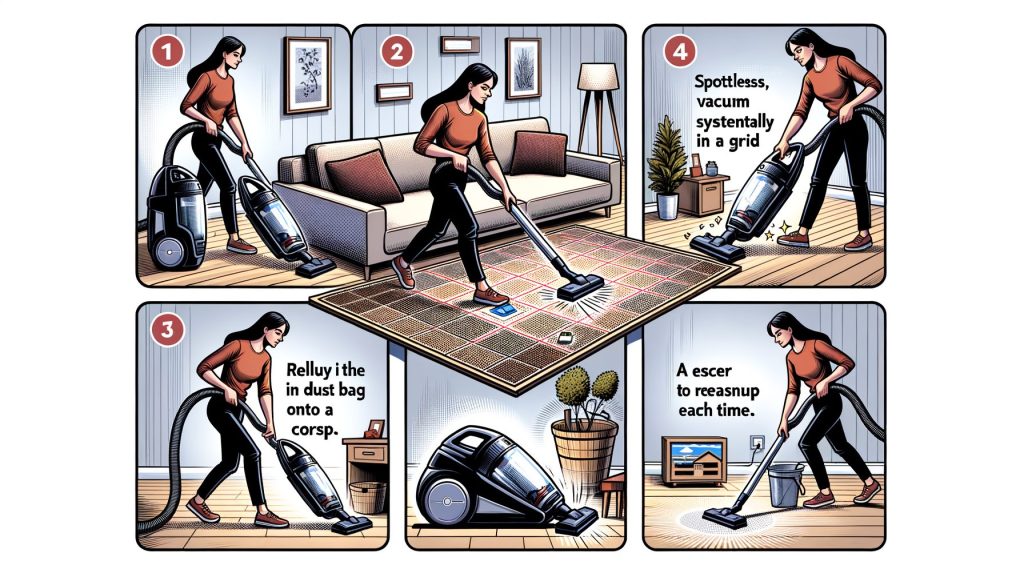
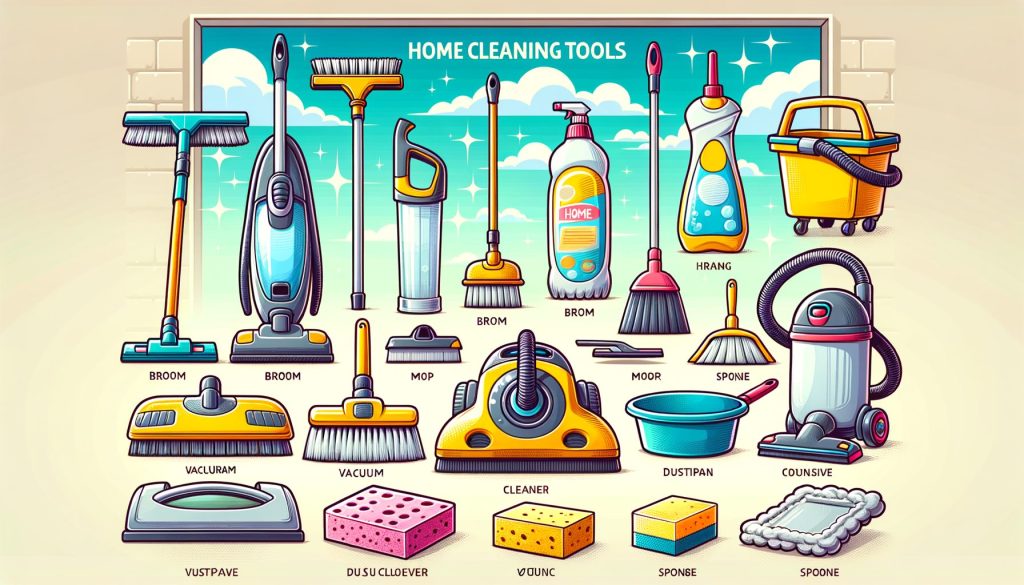
Good tools make cleaning faster and safer. A big arsenal isn’t required—just a few efficient items you’ll actually use. Assemble a compact caddy that holds a food-safe all-purpose cleaner, a bathroom-safe cleaner, a glass cleaner (or diluted vinegar for mirrors/windows), a pair of high-density microfiber cloths, a small scrub brush, and disposable or washable gloves. For floors, a lightweight cordless vacuum or a broom and dustpan keeps daily crumbs in check. If allergies are a concern, a vacuum with a HEPA filter is recommended to capture fine dust and allergens more effectively.
When choosing products, look for labels that balance performance and safety. The U.S. Environmental Protection Agency’s Safer Choice program highlights products that meet strict standards for human health and the environment; browsing the Safer Choice list makes picking reliable options easier. Then this: for disinfecting needs (e.g., during illness), follow product contact times and directions precisely so the process actually works. Day to day, regular cleaning (removing dirt and grime) is usually enough; disinfect when there’s a specific reason like sickness or raw-meat spills.
Organization shrinks future cleaning time. Store supplies where you use them: a small caddy under each bathroom sink, a broom or cordless vacuum near the kitchen, and extra trash liners at the bottom of bins so they can be re-lined instantly. Decant dish tabs or laundry pods into clear, labeled containers to monitor stock at a glance. Small trays on counters “contain” items; it’s simpler to clean around one tray than ten separate bottles and gadgets. In the fridge, a quick daily scan for leftovers prevents sticky messes; a “use-me-first” bin helps reduce food waste.
Microfiber cloths deserve special mention. They pick up dust without spreading it, need less chemical cleaner, and can be machine-washed (skip fabric softener, which reduces effectiveness). Prefer paper towels? Reserve them for raw-meat cleanup or the final pass on glass for a streak-free finish. For a balanced setup, combine one caddy per bathroom, one kitchen kit, a HEPA-capable vacuum or broom, and a small, lidded box of spare cloths. When tools live at point-of-use, the daily routine feels like a quick walk-through, not a production.
Habits That Stick: Motivation, Time Blocks, and Teamwork
Consistency beats intensity. The easiest way to keep a Daily House Cleaning Routine is to link it to something you already do—habit stacking in action. For example, start your 20-minute routine right after breakfast or when you return from work. Because the cue stays constant, the action becomes automatic. Set a recurring reminder on your phone and treat it like a meeting with your future self. A visible wall checklist adds “closure satisfaction”: checking boxes gives a tiny hit of motivation, and seeing progress draws you back tomorrow.
Time management tip: work in sprints. A 10–10 split (morning/evening) suits busy schedules and shared homes. Morning: reset the sink, clear counters, make beds. Evening: quick bathroom pass, living room tidy, floors. If a sprint gets missed, don’t “make up” hours the next day—just run the next sprint. Skipping and then overcompensating creates burnout; brief, consistent sessions preserve energy and results. Use a kitchen timer or smart speaker to keep pace, and put on a playlist you love (three upbeat songs can carry you through a room).
For families and roommates, clarity prevents resentment. Assign zones (kitchen, bathroom, living area) or rotate days so everyone contributes. Make tasks concrete: “wipe kitchen counters and load dishes” is clearer than “clean the kitchen.” Keep a shared note or whiteboard with daily checkmarks. For kids, gamify with sticker charts or “beat the buzzer” races; keep tasks age-appropriate and celebrate small wins. If someone is sick or has a heavy week, swap duties deliberately rather than letting the system slide.
Protect momentum with a few friction fixes: keep spare trash liners in each bin, place a hamper in every bedroom to prevent floor piles, and park a mini spray and cloth in the bathroom for instant wipe-downs. Limit visual clutter with simple containers (one basket per person in shared spaces). Finally, make rest a rule. Your routine is designed to save time so you can enjoy your home. After the 20 minutes, stop. Light a candle, open a window, or brew tea—train your mind to connect cleaning with comfort, not punishment.
FAQ: Daily House Cleaning Routine
How long should a daily cleaning routine take?
In most homes, 15–25 minutes a day maintains a clean, calm baseline. Larger homes or busy households can split the routine into two 10-minute sprints or assign zones to multiple people to stay within the same total time.
Do I need to disinfect every day?
No daily disinfection is required. Clean regularly to remove dirt and grime, and disinfect specific areas when needed—during illness, after handling raw meat, or on high-touch surfaces if someone is sick. Always follow product labels for contact time and safe use. See CDC guidance for details.
What if my home is very messy right now?
Begin with a one-time reset focused on hotspots: clear surfaces, empty the sink, and make the bed. Then run the 20-minute routine daily. Add a 10-minute nightly reset for the first week to catch up. As the baseline improves, the routine becomes faster and easier.
Which cleaning supplies are safest?
Choose products that balance effectiveness and safety. Look for labels like the EPA’s Safer Choice and follow instructions carefully. Microfiber cloths reduce chemical use by lifting dirt mechanically. Ventilate rooms while cleaning, and store products out of children’s reach.
Conclusion: Keep It Light, Keep It Daily
A sparkling home doesn’t require marathon sessions—it thrives on small, consistent actions. You’ve seen how a Daily House Cleaning Routine cuts stress, saves time, and improves health; you’ve got a 20-minute, room-by-room checklist; you know which tools and eco-friendly supplies speed things up; and you have habits that turn effort into autopilot. The core idea is simple: do less, more often. By targeting visual wins (empty sink, clear counters, made bed) and keeping supplies at point-of-use, messes stop snowballing and your space stays calm.
Start today. Set a 20-minute timer, choose one soundtrack, and walk through the checklist: entryway, kitchen, bathroom, bedroom, pause. If your home feels overwhelming, spend one extra 10-minute reset on hotspots tonight and again tomorrow. Share the load—assign zones to family or roommates—and track quick wins on a wall checklist. If you want safer supplies, browse the EPA Safer Choice list and restock your caddy this week. For better airflow and fewer allergens, open windows briefly and consider a HEPA-filter vacuum on floors every few days.
Your home should serve your life, not the other way around. Anchor your day with short, predictable cleaning sprints, then use the time you saved for something you love—read, call a friend, go for a walk. The difference after one week of consistent 20-minute resets is real: more clarity, less clutter, and a space that welcomes you in. Ready to try it tonight and see how your place looks in just 20 minutes? Small steps, every day—that’s how homes shine.
Sources
– Bureau of Labor Statistics, American Time Use Survey: https://www.bls.gov/tus/
– Centers for Disease Control and Prevention, Handwashing: https://www.cdc.gov/handwashing/why-handwashing.html
– Centers for Disease Control and Prevention, Cleaning Guidance: https://www.cdc.gov/hygiene/cleaning
– U.S. Environmental Protection Agency, HEPA Filters: https://www.epa.gov/indoor-air-quality-iaq/what-hepa-filter
– U.S. Environmental Protection Agency, Safer Choice: https://www.epa.gov/saferchoice