You work hard to keep your place clean, yet stubborn streaks, lingering smells, or recurring grime can make it feel like the effort isn’t paying off. Often, effort isn’t the culprit—it’s avoidable house-cleaning mistakes. Well, here it is: a clear, practical guide to the top house cleaning mistakes to avoid for a sparkling home, so you can clean smarter, not harder. No matter if you’re in a studio or a busy family home, these strategies save time, protect surfaces, and boost hygiene—without complicated routines or pricey products.
The hidden cost of cleaning the wrong way
Many people think “more scrubbing = cleaner home.” In practice, the wrong techniques can waste hours and still leave germs behind. One cloth used for the whole house spreads kitchen bacteria into bedrooms. Disinfectant sprayed and wiped off too soon fails to kill microbes. Harsh chemicals on delicate materials can quietly cause damage—cloudy stone counters or warped wood show up weeks later. Those are silent costs: money wasted, finishes and appliances aging fast, and air quality that may trigger allergies or headaches.
Here’s what trips up many homes: focusing on what’s visible instead of what’s risky. High-touch areas (light switches, remotes, handles) and high-humidity zones (bathrooms, laundry rooms) are germ and mold magnets. What’s interesting too: an NSF International household study found kitchen sponges and sinks rank among the dirtiest items at home, often dirtier than bathroom handles. So “clean-looking” doesn’t always mean “hygienic.”
Check out these notable findings from the NSF study:
| Household item | Detected with coliform bacteria (%) |
|---|---|
| Kitchen sponges/rags | 81% |
| Kitchen sinks | 45% |
| Countertops | 32% |
| Toothbrush holders | 27% |
| Bathroom faucet handles | 9% |
Why this matters: once you understand the true hotspots, you can prioritize and dramatically reduce cleaning time. Work top to bottom, move from clean to dirty, and go dry to wet. Also, better air circulation helps reduce chemical buildup and moisture—two frequent triggers for odors and mold. A handful of small habit shifts can protect your health, your budget, and your surfaces.
Mistake 1: Using the wrong products—and mixing chemicals
No cleaner works everywhere. The right product on the wrong surface can permanently dull, etch, or stain. Acidic cleaners (including vinegar) can damage natural stone like marble, travertine, and some concrete finishes. Oil soaps and waxes may leave a sticky film on laminate flooring. Abrasive powders can scratch stainless steel and glass cooktops. Then this—match cleaner to material and test on a hidden spot first. Keep a short list: glass cleaner for glass/mirrors, pH-neutral cleaner for sealed wood and luxury vinyl, stone-safe cleaner for natural stone, mild degreaser for greasy kitchen zones.
The biggest risk of all is mixing chemicals. Never combine bleach with ammonia or with acids (like vinegar); toxic gases can be released. It isn’t a myth—it’s a serious safety hazard. If a task needs multiple products, use one at a time and rinse between them. Read labels for “Do not mix” warnings and follow dilution directions; more concentrate doesn’t mean “more clean.” Overdosing often leaves residue that attracts dust and makes glass, floors, and counters look dull faster.
If you prefer safer options, look for cleaners certified under the U.S. EPA’s Safer Choice program (https://www.epa.gov/saferchoice). These have been vetted for performance and health considerations. For quick daily wipe-downs, plain microfiber plus warm water removes a surprising amount of grime because split fibers trap dirt mechanically. Reserve disinfectants for when they’re truly needed—after handling raw meat or when someone is sick—and allow the disinfectant to stay wet for the label’s “contact time.” Wiping early defeats the purpose.
A real-world example: a renter scrubbed a glass cooktop weekly with a baking soda paste. It shined at first, but micro-scratches built up, leaving a hazy look no polish could fix. A better move would have been a non-abrasive cooktop cleaner and a razor scraper designed for glass to lift burnt-on spots. Knowing product strengths (and limits) prevents expensive mistakes.
Action steps:
– Keep a “do-not-mix” note on your cleaning caddy: bleach + ammonia/acids = toxic gases.
– Use stone-safe products for marble and other natural stone.
– Choose pH-neutral cleaners for sealed wood and vinyl.
– Spot test every new product on an inconspicuous area.
– Use microfiber for daily dust and light soil; reserve disinfectants for targeted jobs.
Mistake 2: Cleaning in the wrong order and cross-contaminating surfaces
Order matters more than most people realize. Dust after you mop and the floors get dirty again. Wipe a toilet and then the sink with the same cloth and germs travel. A simple sequence cuts rework and improves hygiene: top-to-bottom, clean-to-dirty, and dry-to-wet.
Here’s a smart room flow:
1) Declutter quickly so surfaces are reachable.
2) Dust from high to low: ceiling corners, vents, shelves, then furniture.
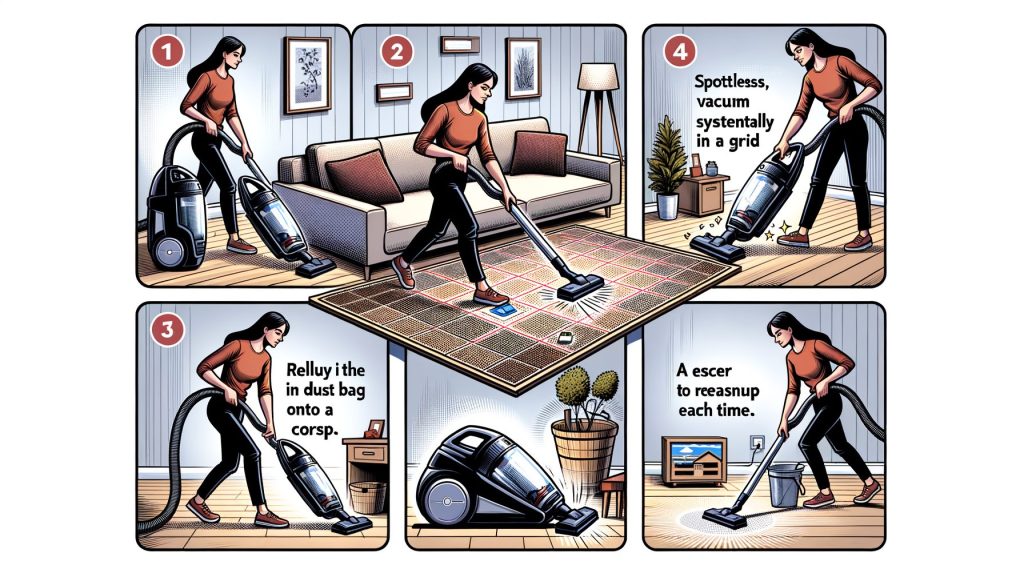
3) Vacuum soft surfaces and floors to catch dust and grit (which can scratch when mopping).
4) Apply cleaner to surfaces; let it sit to break down soil instead of scrubbing hard.
5) Wipe from the cleanest areas to the dirtiest (e.g., sink before toilet).
6) Finish with floors: mop your way out of the room.
To prevent cross-contamination:
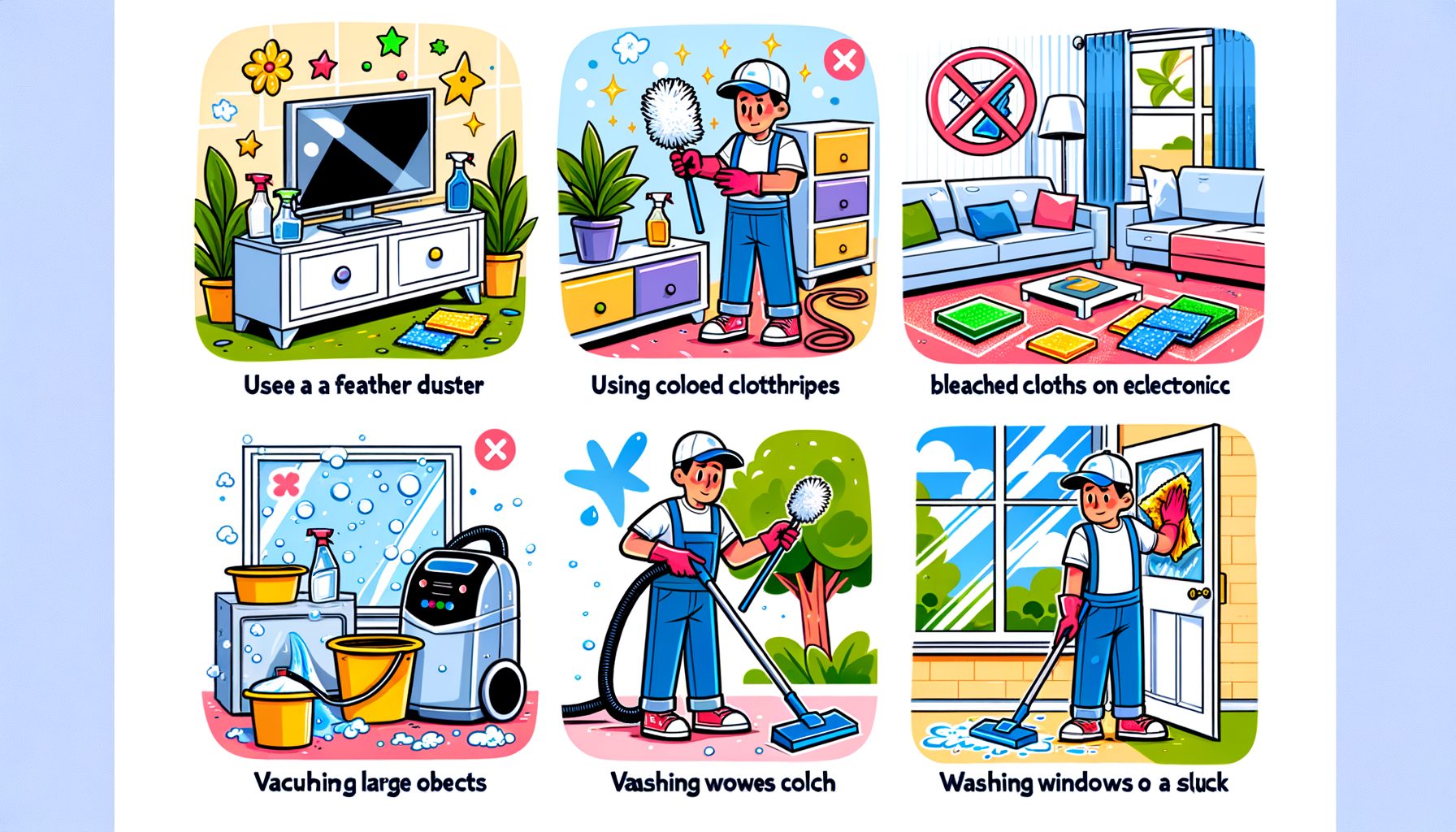
– Color-code cloths: one color for kitchen prep zones, another for bathrooms, another for living areas. Such a simple system dramatically reduces the chance you’ll move microbes around.
– Use the two-bucket method for mopping: one bucket with solution, one with clean rinse water. Dip in solution, wring, mop a section, rinse the mop in the “rinse” bucket, and repeat. That practice keeps dirt out of your clean bucket.
– Swap cloths frequently. A saturated, dirty cloth just smears grime. Fold microfiber into eighths and use a fresh panel for each section.
– Respect “contact time.” If a product says it needs 5–10 minutes to disinfect, keep the surface wet the whole time. Set a timer and multitask on another area while you wait.
Don’t forget your hands: moving from bathroom cleaning to the kitchen? Wash your hands or change gloves. Also, work with ventilation—open a window or run a fan—so misted products don’t linger in the air. For guidance on routine cleaning and disinfecting, see the CDC’s recommendations: https://www.cdc.gov/flu/school/cleaning.htm.
The payoff: better results in less time. Follow a consistent order and you won’t chase dust around, and you’ll notice fewer streaks, fewer odors, and a fresher feel that actually lasts.
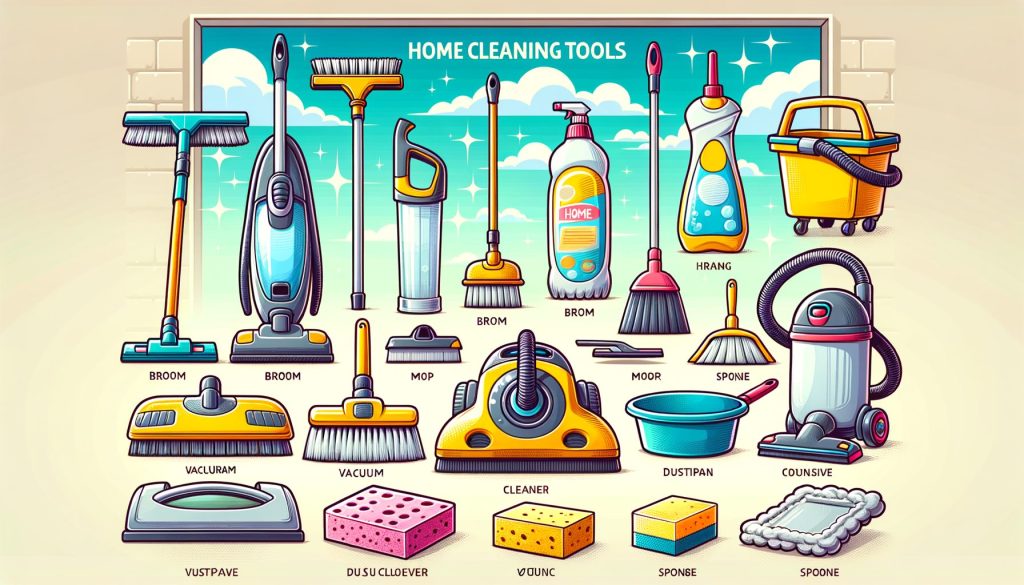
Mistake 3: Neglecting your tools—sponges, mops, washers, and vacuums
Dirty tools can’t make a clean home. Sponges and cloths that smell “off” are already past their prime; they spread microbes and leave streaks. The NSF found that 81% of sponges/rags carry coliform bacteria. Instead of trying to “rescue” an old sponge in the microwave (which many food safety experts advise against), sanitize dishcloths in a hot wash cycle and replace sponges frequently. Sponges and brushes can be run through a dishwasher’s sanitize cycle if dishwasher-safe, or swap to washable microfiber cloths you launder on hot and dry thoroughly.
Mops and buckets need maintenance too. Rinse mop heads after each session, wash reusable heads on hot, and hang to dry fully to prevent mildew. If you use disposable pads, change them before they’re saturated. For bucket systems, rinse and dry the buckets; stagnant water breeds odor. A flat mop with removable microfiber pads can speed laundering and improve edge cleaning.
Your vacuum is a dust magnet by design. When the bin is over half full, suction drops and fine dust can leak back into the air. Empty the bin, check for clogs, clean the brush roll (scissors help cut tangled hair), and wash or replace filters on schedule. If allergies are an issue, a vacuum with a sealed system and HEPA filtration captures small particles more effectively. Manufacturer guidance should be checked for maintenance frequency; set a monthly reminder to stay consistent.
Also check “hidden” places that sabotage cleanliness:
– Washing machine: wipe the door gasket and detergent drawer; run a monthly hot maintenance cycle with a machine cleaner to prevent biofilm and odors.
– Dishwasher: clean the filter and spray arms; a clogged filter simply redistributes greasy particles.
– Bathroom fan: dust the grill and confirm it vents outside; a weak fan leaves humidity that feeds mold.
– Air purifier or AC filters: replace or wash per schedule; a clogged filter reduces air quality and makes dust settle faster.
Invest 10 minutes post-clean to reset your tools. It sounds small, yet the results multiply next time you clean—and money is saved by preventing early replacement of appliances and finishes.
Mistake 4: Ignoring high-touch zones, humidity control, and basic safety
We tend to clean what looks dirty and miss what we touch constantly. Door handles, light switches, appliance knobs, remotes, game controllers, keyboards, and faucet handles collect skin oils and microbes that attract dust and create sticky buildup. Make a rapid “touch trail” part of your weekly routine: use a microfiber cloth lightly dampened with a suitable cleaner for plastics and metals. For electronics and remotes, apply 70% isopropyl alcohol to a cloth (don’t spray directly) to avoid damage.
Bathrooms and kitchens need humidity control as much as scrubbing. Mold and mildew thrive when relative humidity stays above ~60%. Aim for 30–50%. Run exhaust fans during showers and at least 20 minutes afterward, then leave the bathroom door slightly open to vent moist air. In high-humidity climates, a small dehumidifier in bathrooms, basements, or laundry rooms can prevent recurring mold on grout, windows, and walls. For more, see the U.S. EPA’s mold and moisture guidance: https://www.epa.gov/mold.
Grout and silicone seals benefit from consistent care. After showers, a quick squeegee removes most water that would otherwise feed mildew. For grout, choose a grout-safe cleaner and a soft brush; aggressive scrubbing with metal brushes can erode grout lines. Black staining behind caulk usually indicates growth inside the silicone—no cleaner will fix that; remove and re-caulk with a mold-resistant product.
Finally, safety. Good ventilation reduces exposure to cleaning fumes. Open windows or run HVAC fans when using strong products. Wear gloves to protect skin, and store chemicals out of reach of children and pets, ideally in their original containers with labels intact. Never mix cleaners—especially bleach with ammonia or acids—as toxic gases can be released. For broader tips on safe indoor air and ventilation, see WHO’s guidance: WHO: Indoor Air Quality.
Build these into a simple routine:
– Weekly: wipe high-touch points; squeegee the shower; vacuum and mop high-traffic floors.
– Biweekly: wash or replace filters/cloths; clean the bathroom fan grill; wipe window sills.
– Monthly: deep clean grout and drains; maintain the vacuum and washer; review supply labels and replace expired products.
Q&A: Quick answers to common cleaning questions
Q: Do I need to disinfect every day?
A: No. Routine cleaning with soap or a general cleaner removes most soil and many microbes. Disinfect when someone is ill, after handling raw meat, or on high-touch points during outbreaks. Always follow the product’s contact time.
Q: Is vinegar a safe all-purpose cleaner?
A: Useful on many surfaces (glass, some tiles, some plastics), yes—but it can damage natural stone, some grouts, and certain finishes. Never mix vinegar with bleach. When in doubt, pick a pH-neutral cleaner and spot test.
Q: How often should I replace sponges and microfiber cloths?
A: Replace kitchen sponges every 1–2 weeks (or sooner if smelly or degraded). Wash microfiber cloths after each use on hot, avoid fabric softener (it reduces absorbency), and retire them when they lose grab.
Q: What’s the fastest way to make a room look and feel clean?
A: Open a window for fresh air, declutter visible surfaces, dust high-to-low, vacuum floors, and wipe high-touch points. That sequence improves air, light, and hygiene in under 20–30 minutes.
Q: Are “natural” cleaners always safer?
A: Not always. “Natural” doesn’t equal “non-irritating” or “effective.” Check labels, avoid unsafe mixes, and look for third-party certifications like EPA Safer Choice for balanced performance and safety.
Conclusion: Turn small shifts into a consistently sparkling home
If your routine feels like a loop—scrub, shine, repeat, still not satisfied—the fix rarely involves “more effort.” Smarter effort makes the difference. You’ve seen how the most common mistakes—using the wrong products, cleaning in the wrong order, cross-contaminating surfaces, neglecting tools, overlooking high-touch zones, and skipping ventilation—quietly undo hard work. Flip those habits and the results change fast: less residue, fewer streaks, better air, and a fresher feel that lasts longer between cleans.
Here’s the streamlined playbook: choose the right cleaner for the right surface, never mix chemicals, and let products sit long enough to work. Clean top-to-bottom and from the cleanest area to the dirtiest, swapping cloth panels as you go. Tools should be cared for—wash cloths hot, refresh mop heads, maintain vacuum filters, and give appliances a monthly reset. Then this: hit the real hotspots—high-touch points weekly, humidity control daily after showers, and grout/vents monthly. Support it all with good ventilation so your space smells like air, not chemicals.
Ready to see the difference this week? Pick one room and run the new sequence: declutter, dust high-to-low, vacuum, targeted clean with contact time, touch-point wipe, then floors. Set a 25-minute timer and move with confidence. If you want safer product ideas, browse the EPA Safer Choice database and pick one cleaner for glass, one for general surfaces, and one floor-safe option—you’ll prevent overbuying and keep your caddy light.
Your home should be a recharge zone, not a chore cycle. Start with these small upgrades, and your effort will finally match your results. You’ve got this—make your next clean the clean that sticks. Which single habit will you swap first: color-coding cloths, squeegeeing showers, or maintaining your vacuum? Choose one today and enjoy a space that actually sparkles tomorrow.
Sources
NSF International Household Germ Study (high-touch hotspots): https://www.nsf.org/consumer-resources/studies-surveys-infographics/germiest-places-your-home
U.S. EPA Safer Choice (safer product directory): https://www.epa.gov/saferchoice
CDC cleaning and disinfecting guidance: https://www.cdc.gov/flu/school/cleaning.htm
WHO indoor air and ventilation resources: https://www.who.int/teams/environment-climate-change-and-health/air-quality-and-health/indoor-air-quality
U.S. EPA mold and moisture basics: https://www.epa.gov/mold