Feeling overwhelmed by chores? You’re not alone. Most people don’t need more effort; they need a system that actually works. Here’s a guide packed with House Cleaning Tips, pro-level hacks, and a practical checklist you can start today. You’ll learn to clean smarter (not longer), set a simple weekly rhythm, and cut through clutter without burning out. Curious how pros make homes sparkle in less time? Keep reading.
The real problem: why your home feels messy even when you clean
When your place still looks chaotic after an hour of work, laziness isn’t the culprit—bottlenecks are. First comes decision fatigue. Every “Where do I start?” burns mental energy. Without a standard order—top-to-bottom, dry-before-wet—tasks sprawl and you redo work. Second, clutter volume slows everything. Surfaces buried in random items make dusting, wiping, and disinfecting tedious, so you delay it and the mess multiplies. Third is tool friction. If the vacuum lives across the apartment, quick passes get postponed. No microfiber or a weak squeegee? Streaks and lint force repeat wipes. Finally, timing trips people up. Some deep-clean rarely and end up in marathons; others clean at random and burn out. Neither approach lasts.
Here’s the fix: shift from “cleaning events” to “cleaning systems.” Think in loops. First, an everyday “reset” loop that keeps visible areas functional. Second, a weekly “impact clean” loop for high-ROI jobs. Third, a quarterly deep-clean loop to restore the baseline. Then this: add a couple of friction-killers—keep a caddy with go-to tools and set a 30–60-minute timer—and momentum shows up from day one. Use the 80/20 rule, because 20% of tasks create 80% of the visible difference. Clearing counters, making the bed, and vacuuming traffic lanes instantly upgrade any room. What’s interesting too: clean in the same path every time—clockwise in each room, top-to-bottom, then floor last. You’ll avoid backtracking and cut 15–25% off your time, a common professional result.
Mind health and safety as you go. Ventilate, wear gloves for strong chemicals, and never mix bleach with ammonia or acids (like vinegar)—toxic gases can form. For safe practices, see the U.S. CDC’s guidance on cleaning and disinfecting at home at cdc.gov. A small mindset shift—systems over sprints—plus a few proven House Cleaning Tips turns “always behind” into “consistently under control.”
Speed cleaning hacks + a 30/60-minute checklist
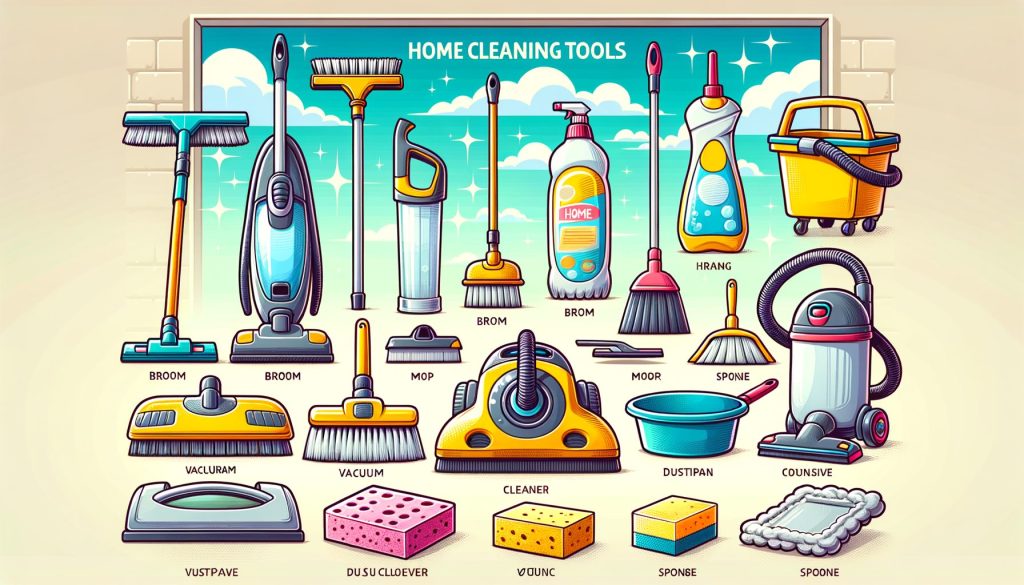
Speed cleaning rewards order and focus, not rushing. Hit what shows the most, spreads the most germs, and shapes how a room feels. Set a timer. Put on a playlist. Work one room at a time; don’t wander. Carry a small caddy: microfiber cloths, all-purpose spray, glass cleaner, disinfecting wipes or spray, scrub sponge, and small trash bags. Keep a laundry basket nearby for quick “belongs elsewhere” items.
30-minute daily reset (ideal on busy weekdays):
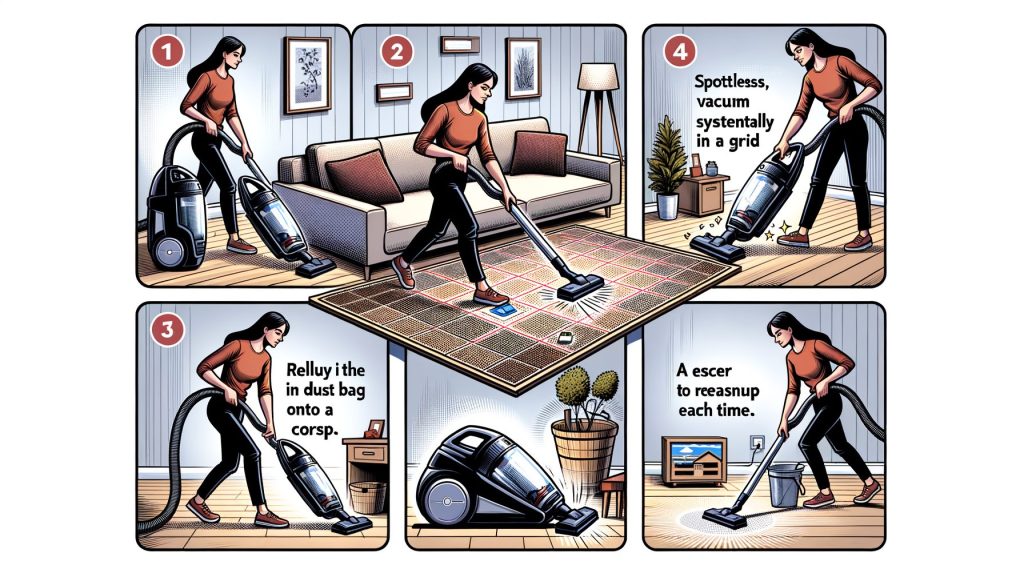
- Entry and living area (8 minutes): Put shoes and bags in place. Quick declutter into a basket. Fluff cushions; fold throws. Vacuum traffic lanes or use a stick vac. Wipe the coffee table and remotes—high-touch first.
- Kitchen (10 minutes): Clear and load the dishwasher. Soak anything crusted in hot, soapy water. Spray counters and the sink; wipe in an S-pattern. Spot-clean the stovetop and appliance fronts. Take out trash if it’s near full.
- Bathroom (7 minutes): Spray sink, faucet, and toilet exterior; wipe. Do a quick mirror pass with glass cleaner. Replace the hand towel. Restock toilet paper. Empty the small bin.
- Bedroom (5 minutes): Make the bed. Get laundry into the hamper. Clear the nightstand. Quick dust if needed.
60-minute weekly impact clean (the “looks clean, is clean” pass):
- Dust tops then middles (10 minutes): High corners, shelves, frames, vents. Use an extendable duster and work top-to-bottom. Loose dust gets trapped before anything is wet-wiped.
- Kitchen detail (15 minutes): Degrease stovetop edges and knobs. Loosen microwave grime by heating a bowl of water for a minute, then wipe. Disinfect sink and faucet. Sweep and mop the floor.
- Bathroom detail (15 minutes): Scrub the toilet bowl (let cleaner dwell). Clean sink, fixtures, and counter. Wipe the mirror streak-free. Give shower walls and door a quick scrub. Mop the floor last.
- Floors everywhere (20 minutes): Vacuum edges and under furniture that can be moved safely. Use a two-bucket mopping method (one wash, one rinse) to reduce streaks.
Time and impact guide (estimates vary by home size):
| Task | Avg. Time | Visible Impact |
|---|---|---|
| Clear counters + make bed | 8–10 min | Very high |
| Vacuum traffic lanes | 8–12 min | High |
| Bathroom wipe-down | 10–15 min | High |
| Kitchen degrease + sink | 12–15 min | High |
For disinfecting high-touch surfaces (doorknobs, switches, remotes), use products on the EPA’s List N for hard, non-porous surfaces at epa.gov. Remember “dwell time”: leave the surface visibly wet for the label-specified duration to kill germs. Keep the daily reset short and winnable to maintain calm. Use the weekly pass to restore shine. Together, those two passes prevent the dreaded mega-clean.
Deep cleaning by room: a quarterly plan that actually works
Deep cleaning restores the baseline—the slow-build grime that quick sessions miss gets handled. Plan one room per week across a month, or split the work into two weekends. Always ventilate and wear gloves for strong cleaners. Well, here it is: snap a “before” photo for motivation.
Kitchen (focus: grease, appliances, and hidden crumbs):
- Cabinets and backsplash: Degrease door fronts and hardware. Wipe inside edges where dust and cooking residue collect.
- Oven and stovetop: Apply a baking-soda paste or use an oven cleaner (follow the label). Remove burner grates to soak. If your stovetop lifts safely, clean underneath.
- Fridge: Empty it, toss expired items, and wash shelves and bins in warm, soapy water. Wipe door seals. Condenser coils, if accessible, can be vacuumed to save energy.
- Dishwasher: Clean the filter. Run a hot cycle with a dishwasher cleaner or a cup of white vinegar (check your manufacturer’s guidance).
- Sink and disposal: Scrub the drain flange and under the rim. Freshen the disposal with ice cubes and lemon rind; flush with hot water.
Bathroom (focus: scale, soap scum, and airflow):
- Shower/tub: Apply a descaler to glass and fixtures and let it dwell. A non-scratch scrubber works the grout and corners.
- Toilet: Detail clean hinges and the flush handle. For mineral rings on porcelain, a pumice stone may be used gently (test first).
- Vent fan: Remove the cover, wash it, and vacuum dust from the motor housing to improve airflow and reduce moisture.
- Tiles and grout: Use a grout brush with an oxygen bleach-based cleaner; rinse well.
Bedroom (focus: textiles and dust control):
- Mattress: Vacuum slowly with an upholstery tool. Spot-treat stains as directed. Rotate or flip if recommended.
- Bedding: Wash duvet cover, mattress protector, and pillows (check care labels). Sun-drying boosts freshness.
- Closet: Declutter by category, donate what you don’t wear, wipe shelves, and vacuum the closet floor.
Living areas (focus: airflow and surfaces):
- Windows: A squeegee gives streak-free glass. Wipe tracks and frames, too.
- Baseboards, doors, and handles: Dust first, then wipe with a damp microfiber.
- Electronics: Dust vents gently; clean screens with a safe, lint-free cloth.
- Furniture: Pull out sofas if possible; vacuum underneath and under cushions.
Entry and laundry (focus: grime catchers):
- Entry mats: Shake or vacuum; launder if machine-safe. A quality mat traps dirt and reduces floor cleaning time.
- Washer/dryer: Run a washer cleaning cycle. Clean the dryer lint trap and vent duct to reduce fire risk.
For disinfecting steps and safe product choices, review the CDC’s home cleaning guidance at cdc.gov and product safety labels. If you want greener options, the Environmental Working Group’s Guide to Healthy Cleaning rates products by ingredients and safety at ewg.org. A simple, rotating deep-clean schedule prevents build-up and saves you from spring-cleaning panic.
Smart tools, eco-friendly products, and techniques the pros use
Good tools can slash cleaning time. Microfiber cloths lift dust and grime with minimal product and, on non-porous surfaces, remove a high percentage of bacteria with just water according to facility care studies referenced by environmental agencies. Keep at least six: two for the kitchen, two for the bath, two for general dusting. Color-code to avoid cross-contamination. A vacuum with a HEPA filter traps fine dust and allergens; for pet owners or allergy sufferers, it’s a game-changer. Extendable dusters reach ceiling fans, high shelves, and vents. A flat mop with removable pads plus a two-bucket setup reduces streaks and leaves floors cleaner than a single-bucket swish-and-go.
Techniques matter as much as tools. Work top-to-bottom so dust falls onto areas not yet cleaned. Go dry-to-wet: dust and vacuum before spraying and wiping. Use an S-pattern when wiping to cover every inch without pushing dirt back. Dwell time must be respected for disinfectants (check labels—some need up to 10 minutes of wet contact). For glass and stainless steel, less product often means fewer streaks; buff dry with a dedicated glass microfiber. On floors, edges and under furniture get vacuumed first, then open areas. In bathrooms, let cleaners sit while you do mirrors and counters—chemistry does the heavy lifting.
Eco-friendly options have become easy to find. Choose fragrance-free or low-VOC products to reduce indoor pollutants. Stick to simple ingredients and never mix chemicals. Vinegar excels on mineral deposits and glass but should be skipped on stone surfaces like marble and natural granite. Baking soda is a gentle abrasive for sinks and tubs. For enzyme cleaners, pick versions designed for organic stains and pet messes. Always read labels, ventilate, and store products safely away from kids and pets. Review EPA Safer Choice products at epa.gov.
Two quick pro moves: keep a mini kit on each floor (if you have stairs) to cut down on back-and-forth, and decant bulk products into labeled, easy-grip bottles with clear dilution instructions. Also set recurring reminders on your phone: monthly for vacuum filter checks, quarterly for mattress rotation, and biannual for deep appliance care. For chemical safety questions (what not to mix, for instance), consult your local poison control or visit poison.org. Small optimizations compound into faster cleans and a healthier home.
Q&A: common cleaning questions
Q1: How often should I disinfect high-touch surfaces?
Focus on doorknobs, light switches, faucet handles, remotes, and phone screens. Disinfect weekly in low-traffic homes and more often during illness. Use products listed on the EPA’s List N and follow dwell times.
Q2: What’s the fastest way to make a room look clean?
Clear surfaces first, then make the bed or fold throws, then vacuum traffic lanes. Those three steps deliver the biggest visible upgrade in under 10 minutes.
Q3: Are DIY cleaners safe?
They can be, when used correctly. Never mix bleach with vinegar or ammonia. Avoid vinegar on natural stone. Test small areas first and ventilate.
Q4: How do I reduce dust long-term?
Use a HEPA-filter vacuum weekly, wash or replace HVAC filters as recommended, and keep entry mats clean. Microfiber dusting traps particles better than feather dusters.
Q5: What’s a realistic deep-clean frequency?
Plan a quarterly rotation by room or a semiannual whole-home reset. Break it into manageable sessions so it doesn’t become a stressful marathon.
Conclusion: make your home shine—one smart system at a time
You’ve seen how a few focused House Cleaning Tips can transform chaos into calm: a daily 30-minute reset prevents pileups, a 60-minute weekly pass tackles high-impact areas, and a quarterly deep-clean restores the baseline. With smarter tools like microfiber and a HEPA vacuum, plus pro techniques—top-to-bottom, dry-to-wet, S-pattern wipes—you’ll work less and see more sparkle. Add eco-conscious products and safe habits, and your home gets cleaner and healthier without hours of grind.
Start now. Set a 15-minute timer today and do the kitchen counter reset, a quick vacuum of traffic lanes, and a bathroom sink wipe. Tomorrow, try the full 30-minute reset. In the coming week, block one hour for the weekly impact clean. Save this guide, share it with a friend or roommate, and build the habit together. Early wins come fast—and they stick when you make them routine.
Your home shouldn’t be a source of stress; it can be your recharge zone. Perfection isn’t required—momentum is. Commit to the system, keep your caddy stocked, and celebrate small progress, because small progress, repeated, becomes a sparkling, peaceful space. Ready to take control? Pick one room, press play on your favorite playlist, and start the timer. Which surface will you clear first?
Sources
– CDC: Cleaning and Disinfecting Your Home — https://www.cdc.gov/hygiene/cleaning/index.html
– EPA List N: Disinfectants for Use Against SARS-CoV-2 — https://www.epa.gov/pesticide-registration/list-n-disinfectants-use-against-sars-cov-2
– EPA Safer Choice Program — https://www.epa.gov/saferchoice
– Environmental Working Group: Guide to Healthy Cleaning — https://www.ewg.org/guides/cleaners
– Poison Control: Household Cleaners Can Be Dangerous — https://www.poison.org/articles/household-cleaners-can-be-dangerous-181