If your living room looks tidy in the morning and chaotic by evening, you are not alone. Cleaning it can feel endless because this is the busiest, most multifunctional space at home. The room doubles as a lounge, office, snack station, and sometimes a gym. In this guide, you will learn a practical, repeatable system to keep the space consistently fresh, organized, and guest-ready. We will cover a proven cleaning routine, pro-level dusting and vacuuming techniques, eco-friendly product tips, and safety must-knows. The goal: a sparkling room that takes less time to maintain—without stress or guesswork.
The hidden cost of a messy living room (and why it keeps coming back)
A messy living room is more than an eyesore—it quietly drains time, energy, and even well-being. Cluttered surfaces make cleaning harder, so it gets postponed. Delay the work and dust builds up, which is more than an inconvenience. According to the U.S. Environmental Protection Agency, indoor air can be two to five times more polluted than outdoor air, often due to particulate matter and chemical residues that settle on soft furnishings and floors. That pollution can irritate lungs and trigger allergies, especially for kids, older adults, and people with asthma. See the EPA’s overview of indoor air quality for context: epa.gov.
Textiles, rugs, and upholstered furniture act like dust magnets. The American Lung Association notes that dust and dust mites are common indoor triggers, which is why consistent vacuuming and fabric care matter: lung.org. Electronics attract dust electrostatically, while foot traffic brings in grit that scratches floors and dulls rugs. Add snacks, pet hair, and blankets, and you get a perfect storm of micro-mess—daily.
Why does the mess return even after a big clean? Three reasons appear again and again:
– Too many items on horizontal surfaces—coffee tables, TV stands, window sills—act as “clutter magnets.”
– Cleaning without first resetting the room (picking up, corralling remotes, folding throws) means dusting and vacuuming take longer and feel frustrating.
– Using the wrong tools (non-HEPA vacuum, fluffy duster that just redistributes dust) causes re-soiling and reduces air quality benefits.
Cleaning harder isn’t the fix; cleaning smarter is. Adopt a consistent flow—reset first, then dust top to bottom, then vacuum slowly with proper tools—and total time drops while results rise. After testing rhythms across different households, the routines that perform best are short, repeatable, and tailored to how you live—streaming nights, pet naps, gaming sessions, and remote work included.
A proven step-by-step living room cleaning routine (quick, weekly, deep)
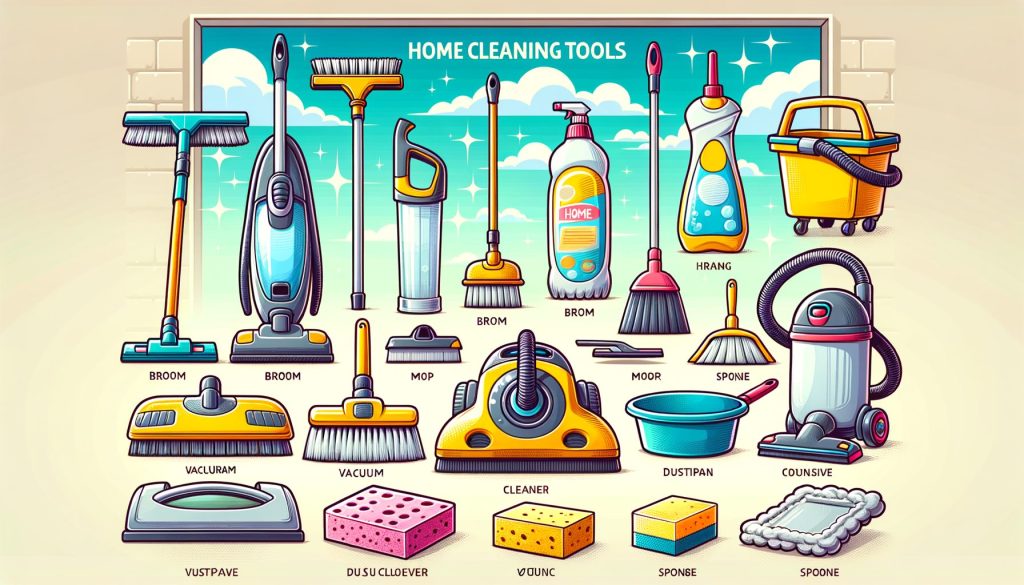
Built for real life, the routine below keeps you on track. Use the quick blitz when time is tight, the weekly clean for maintenance, and the monthly deep clean to reset everything. Keep your tools in a caddy: microfiber cloths, a lightly damp microfiber for stubborn dust, glass cloth, mild dish soap, an enzyme cleaner for spills, a HEPA vacuum with crevice and upholstery tools, and optional wood-safe polish for sealed furniture.
Quick blitz (10–15 minutes):
– Reset the room: toss trash, return dishes to the kitchen, fold throws, stack or corral remotes and game controllers in a tray.
– Speed dust high-touch, flat surfaces with a dry microfiber cloth: coffee table, end tables, TV stand, console edges.
– Vacuum visible crumbs and pet hair on traffic lanes and sofa seats. Fluff cushions.
Weekly clean (30–45 minutes):
– Declutter first: remove anything that does not belong in the room.
– Dust top to bottom: start with ceiling corners, light fixtures, frames, and shelves, then work down to tables and baseboards. Use a slightly damp microfiber on stubborn dust; follow with a dry one.
– Clean screens and glass: use a screen-safe cleaner or a barely damp microfiber. Finish windows or mirrors with a glass cloth for streak-free shine.
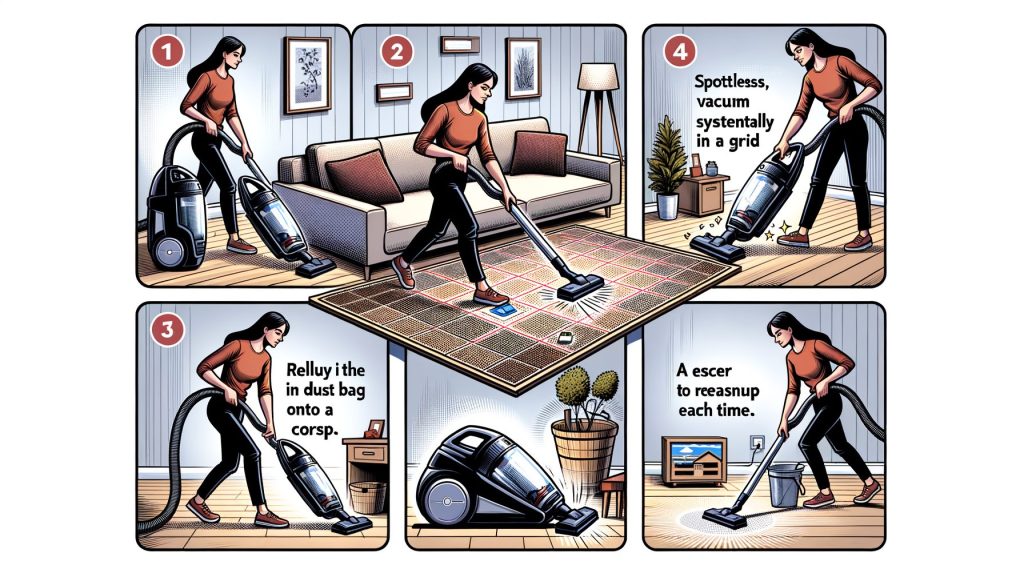
– Vacuum thoroughly: use a HEPA vacuum; make slow, overlapping passes. Edge the room with a crevice tool and vacuum under furniture where safe.
– Spot-clean upholstery: check the fabric code (W, S, WS, X). Treat fresh spills with a blotting technique (details in the next section).
Monthly deep clean (60–90 minutes):
– Move light furniture to reach hidden dust. Rotate area rugs 180 degrees to even wear.
– Wash or launder removable pillow covers and throws per care labels.
– Wipe vents, clean fan blades, and dust behind the TV and media console cables.
– Condition leather or polish sealed wood if recommended by the manufacturer.
Use this quick reference to dial in frequency and methods:
| Item/Surface | Method | Frequency |
|---|---|---|
| Hard surfaces (tables, shelves) | Dry microfiber; damp microfiber for sticky spots | Weekly; quick touch-ups as needed |
| Upholstery | Vacuum with upholstery tool; blot spills; follow fabric code | Vacuum weekly; spot-clean ASAP |
| Floors and rugs | HEPA vacuum; slow passes; edge with crevice tool | 1–2x per week (more with pets) |
| Windows/mirrors | Glass cloth; minimal cleaner | Monthly or when visibly dirty |
| Electronics/screens | Dry microfiber; specialty screen cleaner | Weekly light dust; deeper monthly |
Pro tip: Pre-stage a compact tray for remotes and game controllers, a lidded basket for throws, and a slim bin for magazines. When everything has a home, the 10-minute blitz becomes all you need most days.
Master dusting, vacuuming, and fabric care like a pro
Dusting: Work high to low so cleaned areas are not re-soiled. Begin with ceiling corners and light fixtures, move to frames and shelves, and finish with tables and baseboards. A dry, high-quality microfiber cloth captures particles through static and fine fibers rather than pushing them around. For stubborn dust or sticky residue, barely dampen the cloth with water or a mild dish-soap solution, then buff dry. Feather dusters tend to redistribute allergens, so skip them. For blinds, pinch slats between a folded microfiber and swipe; for vents, use a brush attachment or a damp cloth. Electronics should be powered down before screens are wiped, and a screen-safe solution can be used if needed.
Vacuuming: A HEPA vacuum is worth it, especially if allergies or pets are in the picture. HEPA filtration captures fine particles rather than exhaust-blasting them back into the room. Look for models with the Carpet and Rug Institute Seal of Approval to ensure effective soil removal: carpet-rug.org. Use slow, overlapping passes—rushing reduces pickup. Edge the room with a crevice tool, then tackle under low furniture if it is safe to do so. For area rugs, vacuum in both directions; lift or flip small rugs outside and shake if permitted by the backing. A rug pad can reduce slipping and trap grit away from fibers.
Upholstery and fabric codes: Always check the care tag. “W” means water-based cleaners are acceptable; “S” indicates solvent-based only; “WS” allows either with caution; “X” is vacuum or brush only. Before any spot treatment, test in a hidden area. For fresh spills, the safest method is blot-blot-blot: apply pressure with a clean, dry cloth to absorb, then use a minimal amount of appropriate cleaner and blot again. Avoid scrubbing, which can damage fibers and spread stains. For greasy stains, an enzyme-based cleaner can help; for tannin stains (coffee, tea), a mild dish soap and water mix is often effective. On leather, use a slightly damp cloth for routine care and a manufacturer-approved conditioner monthly or quarterly—never vinegar or harsh solvents. For pet hair on fabric, a rubber squeegee or slightly dampened glove can pull hair into clumps for easy vacuuming. Finish by fluffing cushions and rotating them to even out wear.
Small upgrades, big difference: a dedicated upholstery tool, an extension wand for ceiling corners, a glass-specific microfiber for streak-free mirrors, and a neutral-pH cleaner for sealed wood surfaces. These help you work faster and protect materials so your living room stays fresher, longer.
Eco-friendly products and safe disinfection without overkill
A clear line separates cleaning from disinfecting. Cleaning removes soil and many germs; disinfecting uses chemicals to kill specific pathogens on hard, nonporous surfaces. For most living rooms, routine cleaning is enough. Disinfection is useful after illness, on high-touch hard surfaces (like remote controls or door handles), or when the manufacturer recommends it for specific materials. The Centers for Disease Control and Prevention outlines when and how to disinfect safely: cdc.gov.
Eco-friendly cleaning swaps: Microfiber plus water handles most dusting. A few drops of mild dish soap in warm water cut grease on tables and railings. Distilled white vinegar is great for glass and some sealed hard surfaces, but never use vinegar on natural stone (marble, travertine) or unfinished wood. Baking soda is a gentle deodorizer for rugs and upholstery (sprinkle lightly, let sit, vacuum). To freshen fabric, prioritize washing removable covers over scent sprays. If you like essential oils, use very small amounts and avoid directly on fabrics that could stain; always check for sensitivities in the household.
Safe disinfection: If you need a disinfectant, choose one from EPA List N and follow the label’s contact time—the surface must remain visibly wet for the full time to be effective: epa.gov. Ventilate the room, wear gloves, and never mix chemicals (especially bleach and ammonia). Use disinfectants on hard, nonporous items like remote control covers, light switches, or doorknobs—then rinse if the label instructs. Avoid routine disinfectant use on fabrics unless specifically approved; it can degrade fibers and add unnecessary chemical load indoors.
Packaging and waste: Refillable concentrates reduce plastic. Choose fragrance-free or low-VOC products to support better indoor air quality. Store all products out of reach of children and pets, and label spray bottles clearly. For the biggest sustainability win, rely on physical removal (vacuum and microfiber) first, then minimal chemistry targeted to the task. You will save money, reduce residues, and still achieve a sparkling clean.
FAQ: quick answers to common living room cleaning questions
How often should I clean my living room? Do a 10-minute reset most days, a weekly 30–45 minute clean, and a monthly deep clean. Increase vacuuming to 2–3 times per week if you have pets or allergies.
What is the best order to clean? Declutter first, then dust high to low, clean glass/screens, finish with a thorough vacuum. That order prevents rework and saves time.
How do I reduce dust long term? Use a HEPA vacuum, wash throws and pillow covers regularly, keep entry mats clean, and dust with microfiber instead of feather dusters. Consider upgrading your HVAC filter to an appropriate MERV rating recommended for your system.
Does vinegar disinfect? Vinegar is a cleaner, not an EPA-registered disinfectant. For disinfection on hard, nonporous surfaces, use an EPA List N product and follow the contact time. For daily living room cleaning, vinegar can help with glass or mild residue (avoid natural stone).
Conclusion: claim your sparkling space—today
You just learned a complete living room cleaning plan: why mess builds up, how to break the cycle with a simple quick–weekly–monthly routine, the right way to dust and vacuum for cleaner air, and how to choose eco-friendly products without sacrificing results. The key is consistency and sequence. Reset first so surfaces are clear. Dust from the top down. Vacuum slowly with a HEPA machine. Treat fabrics according to their care codes. Disinfect only when needed, and focus on safe, minimal chemistry the rest of the time.
Here’s your next step: Set a 20-minute timer today. Do the quick blitz—reset, speed dust, and vacuum traffic lanes. Then add one tiny upgrade: create a tray for remotes, a basket for throws, or a bin for magazines. Small systems make future cleans almost automatic. Next, block a 45-minute weekly session on your calendar—recurring. During that time, follow the routine and rotate a “deep clean focus” each week (windows one week, vents the next, behind the media console after that). In a month, your living room will not only look better; it will feel calmer and actually take less effort to maintain.
If this guide helped, bookmark it, share it with a roommate or partner, and pick your first micro-task now. A sparkling living room is not about perfection—it is about a repeatable flow that fits your life. You can start small and still win big. What is the one five-minute habit you will add today to make your space shine?
Sources and further reading
– EPA: The Inside Story: A Guide to Indoor Air Quality — https://www.epa.gov/indoor-air-quality-iaq/inside-story-guide-indoor-air-quality
– American Lung Association: Dust Mites and Indoor Air — https://www.lung.org/clean-air/at-home/indoor-air-pollutants/dust-mites
– CDC: Cleaning and Disinfection Guidance — https://www.cdc.gov/infectioncontrol/guidelines/environmental/cleaning-disinfection.html
– EPA List N Disinfectants — https://www.epa.gov/pesticide-registration/list-n-disinfectants-coronavirus-covid-19
– Carpet and Rug Institute: Vacuum Cleaner Seal of Approval — https://carpet-rug.org/testing/seal-of-approval-program/