Home cleaning eats time and money, plus an embarrassing number of products—yet streaks, dust, and germs come right back. Tired of burning through paper towels, smearing glass, or breathing irritating fumes? Consider microfiber cleaning cloths; they can change the game. Densely woven synthetic fibers do the heavy lifting, grabbing grime fast, leaving fewer streaks, and cutting down on harsh sprays. Here’s your roadmap: why microfiber outperforms traditional materials, how to use it room by room, and how to choose and maintain the right cloths so a spotless home takes less effort and creates less waste.
Why Microfiber Cleaning Cloths Outperform Cotton and Paper Towels
Engineered to trap dust, oils, and microscopic debris, microfiber cleaning cloths do what cotton and paper towels often don’t: capture rather than push around. Each thread is ultra-fine—often a fraction of a human hair—so when fibers are split during manufacturing, they create huge surface area and tiny “grabby” edges. That architecture boosts capillary action (how liquids move through narrow spaces), lifts grime instead of smearing it, and even latches onto particles that can trigger allergies, like pet dander and pollen. End result? Faster, streak-free cleaning with less elbow grease and fewer chemicals.
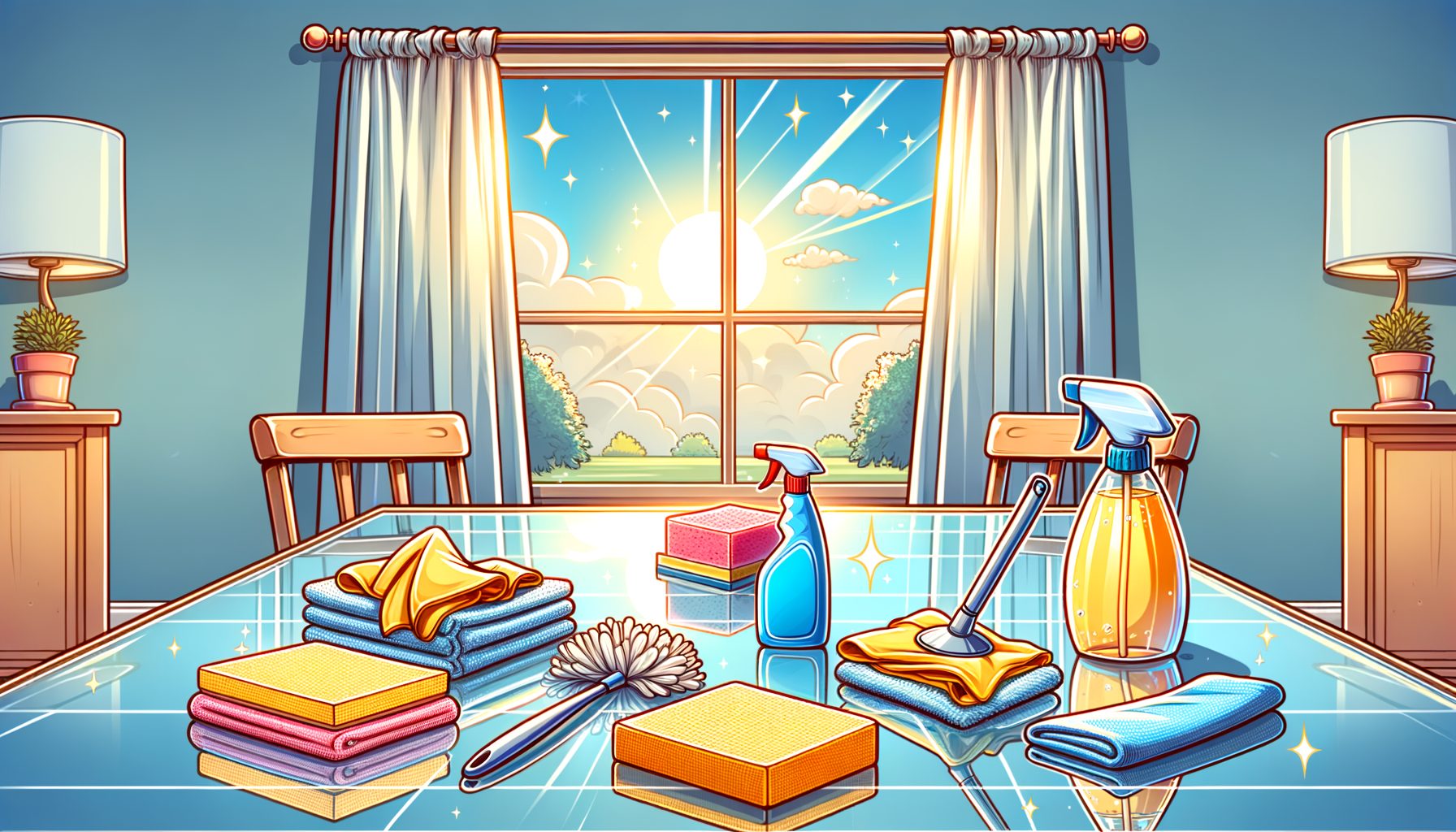
Many households discover that one damp microfiber plus a dry buffing cloth replaces multiple single-use items for mirrors, windows, stainless steel, countertops, and screens. Because the fibers cling to dust and oils, water alone—or a mild, safer-choice cleaner—is often enough, reducing fumes and saving cash. For allergy-prone families or anyone sensitive to scents, that approach can keep spaces cleaner without irritating additives. And since quality microfiber is washed and reused hundreds of times, waste and under-sink clutter get cut dramatically.
The differences are obvious in real life: a lightly damp microfiber wipes fingerprints from stainless steel quickly; a second, dry cloth buffs to a glossy, streak-free finish. On glass, a waffle-weave or suede-style cloth lifts residue that causes haze, then dries down to crystal clarity. Over time, you’ll reach for glass sprays and paper towels far less—and your surfaces will look cleaner with less effort.
Typical performance differences (ranges vary by brand and fabric weight):
| Feature | Microfiber Cloth | Cotton Cloth | Paper Towel |
|---|---|---|---|
| Absorption (by weight) | High (often several times its weight) | Moderate | Low–Moderate |
| Streaking on glass/steel | Low (when used as damp + dry) | Moderate | High (prone to lint/residue) |
| Lifespan (wash cycles) | High (hundreds with care) | Moderate | Single-use |
| Chemicals needed | Low (often just water) | Moderate | Moderate–High |
Room-by-Room Tips: How to Use Microfiber Cleaning Cloths for a Spotless Home
In the kitchen: Lightly dampen a general-purpose terry microfiber (medium weight) to wipe counters, cabinet doors, and appliances. Move with the grain on stainless steel, then finish with a dry microfiber to buff away lines. Sticky stovetop messes release faster if a damp cloth is laid over the spot for 2–3 minutes before wiping—no harsh scraping required. For glass oven doors, a waffle-weave cloth helps reduce streaks. Color-code cloths (e.g., blue for counters, gray for appliances) to prevent cross-contamination.
In the bathroom: Soap scum and mineral spots respond well to microfiber’s mechanical scrubbing power. Dampen a terry cloth for sinks and countertops. For mirrors and shower glass, try a two-cloth method: first, wipe with a slightly damp suede or waffle-weave microfiber; second, buff immediately with a dry glass cloth. That combo minimizes haze without ammonia-based sprays. Keep a separate cloth for the toilet area and launder it promptly. If you disinfect, respect the product’s contact time, then use a clean, dry microfiber to finish surfaces streak-free.
Around living areas and bedrooms: Dry dusting with microfiber reduces airborne particles because fibers hold dust instead of flicking it up. For screens and electronics, use a dry, tightly woven (suede) microfiber—gentle, circular motions and no pressure. On TV frames and vents, a lightly dampened cloth lifts grime without sending dust back into the room. Furniture benefits too: glide along tops, legs, and undersides where dust hides; static attraction pulls away pet hair and lint in fewer passes.
For windows and mirrors: Clean on a cloudy day or when glass is cool. Well, here it is—mist the surface with water or a glass-safe cleaner, wipe with a damp waffle-weave microfiber, then immediately buff with a dry glass cloth. Work in overlapping “S” patterns from top to bottom to avoid drips and missed spots.
When caring for your car or bike: Microfiber excels at dashboards, touchscreens, and glossy trim. A plush, high-pile cloth dries paint after a wash with fewer swirl marks; switch to a tight-weave cloth for glass. Keep a dedicated cloth for wheels and greasy parts so grime isn’t transferred to paint or interiors.
Care, Hygiene, and Sustainability: Make Your Microfiber Last
Proper care extends microfiber performance and helps minimize environmental impact. After each use, rinse cloths thoroughly and hang to dry. For laundry, wash with similar fabrics (no linty cotton) to prevent fiber buildup. Fabric softeners and dryer sheets should be avoided; fibers get coated and absorption drops. Use a mild detergent, warm or cold water, and tumble dry low or air-dry. High heat can damage fibers and shorten lifespan. With good care, many quality cloths survive hundreds of washes and save serious money compared to disposable towels and specialty sprays.
To reduce microplastic shedding, wash full loads to cut friction, choose lower spin speeds, and consider a microfiber-catching laundry bag or an external washer filter. What’s interesting too, air-drying can reduce fiber loss and energy use. Because fewer chemicals are needed for routine cleaning, indoor VOCs often drop—useful for sensitive individuals. If disinfection is required (after handling raw meat or during illness), follow trusted public health guidance on dwell times and safe use. The Centers for Disease Control and Prevention offers up-to-date advice on cleaning and disinfection steps: https://www.cdc.gov/hygiene/cleaning/
Cost and eco benefits add up. A small set of washable microfiber cloths can replace dozens of paper towel rolls yearly. Then this: fewer store trips, less storage space taken, and less waste headed to landfills. When pairing microfiber with safer cleaners, look for certifications like EPA Safer Choice to reduce exposure to harsher ingredients without sacrificing cleaning power: https://www.epa.gov/saferchoice. Combine that with simple habits—quick spot-cleaning and the damp-then-dry method—and surfaces stay newer-looking while your footprint shrinks.
How to Choose the Right Microfiber Cloth (GSM, Weave, and Safety Tips)
Not all microfiber cleaning cloths are identical. Check GSM (grams per square meter) to estimate density: roughly 200–320 GSM is versatile for kitchens and baths; 300–400 GSM works well for general-purpose dusting and wipe-downs; 400–600 GSM (plush) suits drying delicate surfaces and car care. A higher GSM typically feels thicker and holds more water, while lower GSM dries faster and glides more easily on glass.
Weave matters, too. Terry (looped) microfiber is the everyday workhorse for counters and appliances. Waffle-weave grips water droplets and excels on glass and shower doors. Suede or satin-weave is ultra-smooth for mirrors, screens, and stainless steel buffing. Edge construction helps prevent marring: ultrasonic-cut or silk-banded edges reduce the chance of micro-scratches on sensitive finishes. Size depends on task; 12×12 inches is flexible for most chores, while 16×16 or larger offers more coverage for cars and windows. Color-coding (e.g., red for bathroom, blue for kitchen, green for glass) improves hygiene by preventing mix-ups.
Be wary of vague “antibacterial” cloth claims. Microfiber alone does not disinfect; it mechanically removes grime and many microbes, which is often enough for routine cleaning. When true disinfection is needed, pair microfiber with an approved disinfectant and follow the product’s contact time. For screens and electronics, use a dry or lightly dampened suede microfiber and follow device maker recommendations; many screens are best cleaned with distilled water or electronics-safe isopropyl solutions. Also look for safety labels like OEKO-TEX Standard 100, which screens textiles for harmful substances: https://www.oeko-tex.com/en/our-standards/oeko-tex-standard-100
Finally, consider longevity and washability. Quality microfiber should keep its shape and performance after many washes. If lint, streaks, or a “draggy” feel persist even after proper washing, retire that cloth to dirtier tasks (baseboards, outdoor furniture) and bring a fresh one into the main rotation.
Q&A: Common Questions About Microfiber Cleaning Cloths
Do microfiber cloths disinfect without chemicals? No. Microfiber removes a large amount of dirt and many microbes from surfaces through mechanical action, often enough for daily cleaning. For actual disinfection (killing germs), use an approved disinfectant and follow the label’s contact time.
Can microfiber scratch delicate surfaces? High-quality, clean microfiber with soft edges is safe for most household surfaces. Scratches are usually caused when grit is trapped in the cloth or when rough-edged, low-quality cloths are used. Rinse cloths frequently and switch to a fresh one for delicate finishes.
How many microfiber cloths do I need? For a small home, start with 8–12: a few for the kitchen, a few for bathrooms, one or two for glass, and extras for dusting and floors. Color-code to avoid cross-use. Add more if you prefer weekly deep cleans or have pets.
Are microfiber cloths bad for the environment? They reduce disposable waste and chemical use, but laundering can release microfibers. Mitigate this by washing full loads, using cooler settings, air-drying when possible, and using a microfiber-catching laundry bag or filter. Explore reliable information on microplastics from the UN Environment Programme: https://www.unep.org/explore-topics/chemicals-waste/what-we-do/marine-litter/microplastics
How do I stop streaks on glass? Use two cloths: one slightly damp waffle-weave or suede microfiber to clean, and a second dry glass cloth to buff immediately. Work top to bottom in overlapping passes, and avoid cleaning hot glass in direct sun.
Conclusion: Make the Switch and See Instant Results
Microfiber cleaning cloths deliver faster, cleaner, and more sustainable results than traditional cotton rags or paper towels. Ultra-fine fibers lift dust, grease, and fingerprints efficiently, helping you achieve streak-free glass, gleaming stainless steel, and healthier surfaces with far fewer chemicals. Across the home—kitchen counters, bathroom mirrors, electronics, windows, and even your car—these cloths streamline routines while cutting costs and single-use waste. Maintained well, they last for hundreds of cycles, pay for themselves quickly, and keep your cleaning cabinet simple and effective.
Ready to upgrade? Start with a small set of color-coded microfiber cloths: terry for general cleaning, waffle-weave or suede for glass and mirrors, and a plush cloth for drying or car care. Store them within easy reach, and try the damp-then-dry method on your stainless fridge and bathroom mirror today—you’ll likely see clearer results in minutes. For safer, lighter cleaning days, pair your cloths with mild, third-party-verified products like those on EPA Safer Choice: https://www.epa.gov/saferchoice. If disinfection is needed, follow CDC guidance and label directions for peace of mind: https://www.cdc.gov/hygiene/cleaning/
Your action plan for the week: Day 1, test two-cloth glass cleaning. Day 2, switch from paper towels to microfiber in the kitchen. Day 3, set up color-coding and a small laundry routine for cloths. Day 4, dust electronics with a dry suede microfiber. Day 5, tackle bathroom counters and mirrors. Day 6, use a plush cloth for a quick car interior refresh. Day 7, review what saved you the most time and keep it in your regular rhythm. Small changes compound into consistently cleaner spaces—without overwhelm.
If you want less waste, fewer streaks, and a fresher home, give microfiber cleaning cloths a week-long trial and track your results. You may never go back to your old routine. What surface in your home are you most excited to see truly streak-free?
Sources and Helpful Links
CDC – Cleaning and Disinfecting Your Home: https://www.cdc.gov/hygiene/cleaning/
EPA Safer Choice Program: https://www.epa.gov/saferchoice
OEKO-TEX Standard 100: https://www.oeko-tex.com/en/our-standards/oeko-tex-standard-100
UN Environment Programme – Microplastics: https://www.unep.org/explore-topics/chemicals-waste/what-we-do/marine-litter/microplastics
Microfiber (overview and properties): https://en.wikipedia.org/wiki/Microfiber
American Lung Association – Cleaning Supplies and Health: https://www.lung.org/clean-air/at-home/indoor-air-pollutants/cleaning-supplies