When a home reads as messy, the brain works harder. Tidy one spot, spin around, and three new chores appear. The real problem isn’t you—it’s friction. By stripping that friction away, a Minimalist Cleaning Routine keeps your space calm and clutter-free with less effort. If you’ve ever wished to keep a place guest-ready in under 20 minutes a day, the guide below shows exactly how to get there—without perfectionism or endless weekends of scrubbing.
Why most cleaning plans fail—and how a minimalist approach fixes it
Traditional plans hand you long checklists yet sidestep the root cause: too much stuff and too many decisions. Each extra item on a surface adds “visual noise” that competes for attention and makes tasks feel heavier. Research from Princeton University indicates that cluttered environments reduce focus because irrelevant objects fight for neural representation—so a crowded counter can feel stressful before a cloth even touches it. In parallel, a UCLA study of family homes linked visible household chaos to higher stress, especially for people juggling multiple roles. The pattern is universal, not a personal failing; it’s simply the brain responding to overload.
Minimalism tackles that overload by cutting volume, assigning simple “homes” to the things you keep, and streamlining supplies. Picture it as removing speed bumps from your daily route: fewer pauses, fewer detours, same destination. With less on your surfaces, each clean finishes faster. Rely on a single multipurpose cleaner and color-coded cloths, and the hunt for the “right” product disappears. Add micro-zones—small, clearly defined areas—and cleaning shifts from all-or-nothing marathons to short, successful sprints.
The Minimalist Cleaning Routine also respects reality: time is limited and energy fluctuates. Rather than huge deep cleans that demand motivation spikes, you’ll lean on tiny, repeatable moves—habit stacking after existing routines (start the dishwasher right after brushing teeth) and two-minute resets whenever you change rooms. High-impact actions (clear surfaces, sinks, and floors) come first; low-impact details wait their turn. Health-wise, it aligns with modern guidance: clean regularly with soap and water, and disinfect only when needed (after handling raw meat or during illness). As a result, strong chemicals aren’t overused, yet the home stays hygienic.
After testing these ideas in apartments, shared homes, and family houses, one thing stands out: reduce decisions and define a few non-negotiable habits, and your home looks clean most of the time—even if you never reach “perfect.” And that’s the point: less stress, more life.
Build your 3-layer Minimalist Cleaning Routine (daily, weekly, monthly)
Imagine the routine as three neat layers—Daily Resets, Weekly Focus, and Monthly Refresh. Each one stays short, specific, and predictable, so even busy days can run on autopilot. The time estimates below fit typical homes; tailor them to your space and energy.
Daily Resets (15–25 minutes total): high-leverage moves that keep the home looking calm.
– Clear and wipe main surfaces—kitchen counters, table, bathroom vanity (5–7 minutes). Keeping surfaces mostly empty makes this fly.
– Dishes to done: load or run the dishwasher; if you hand-wash, soak first and batch the wash (5–8 minutes).
– Laundry reset: one small load daily or every other day; move it fully (wash → dry → fold → away) in micro-sessions (2–5 minutes of active time).
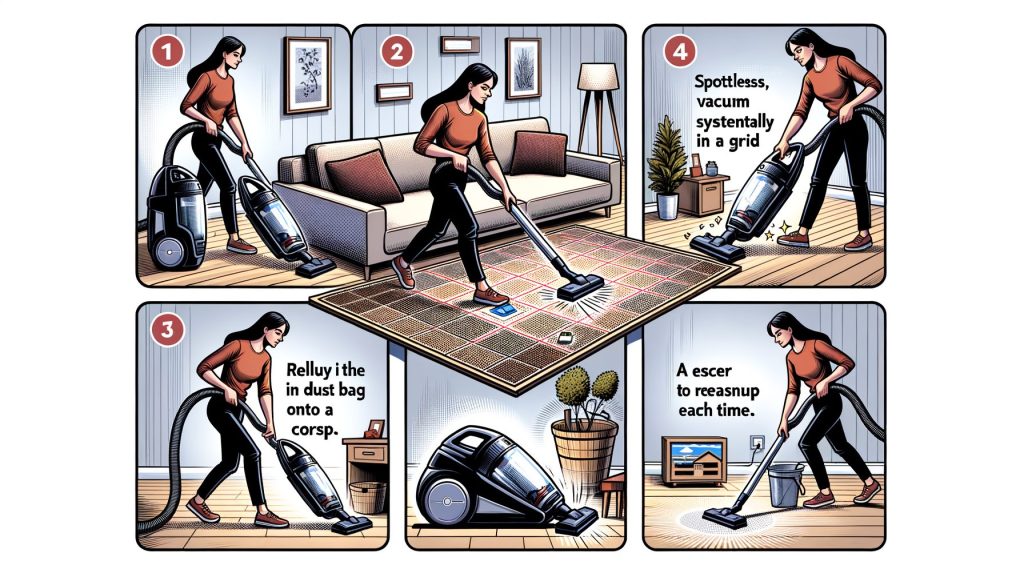
– Floor quick-save: spot sweep or vacuum high-traffic zones (2–4 minutes).
– Trash/compost out if 70% full; wipe bin rim (1 minute).
Pro tip: Use the two-minute rule. If a task takes under two minutes (wipe the mirror, empty the crumb tray, squeegee the shower), do it now. Kick off a playlist you love and set a 10-minute timer to spark momentum.
Weekly Focus (60–90 minutes, split into 2–3 blocks): pick a day or spread it across the week.
– Kitchen: wipe appliances, degrease stove area, sanitize sink, clean microwave (inside steam with water + lemon), empty crumb zones (15–25 minutes).
– Bathroom: toilet, sink, mirror, tub/shower walls; replace towels; launder bath mat (15–20 minutes).
– Floors and dusting: vacuum/mop all floors; dust high-to-low (top shelves → TV → side tables) (20–30 minutes).
– Bedroom: change bedding; quick closet sweep (remove 5 items that don’t belong) (10–15 minutes).
Monthly Refresh (90–120 minutes, easy to split): handle the slow build-ups.
– Kitchen: deep clean fridge (quick expire check), oven touch-up, cabinet pulls, and backsplash (30–40 minutes).
– Home maintenance: wash filters (range hood, vacuum), wipe window tracks, baseboards, door handles (30–40 minutes).
– Declutter pulse: one bag out—donate, recycle, or toss items from a single zone (closet shelf, junk drawer) (15–20 minutes).
Set recurring calendar reminders so you never wonder “what now?” Keep a one-page checklist on the fridge or in your notes app. With repetition, the cadence speeds up—because you’re maintaining, not excavating mess.
Room-by-room micro-zones and scripts you can run on autopilot
Micro-zones keep you moving. Instead of “clean the kitchen,” you’ll run short scripts in tiny zones. Quick wins arrive, and you never feel stuck.
Kitchen (Sink Zone, Prep Zone, Stove Zone, Cold Zone):
– Begin at the Sink Zone: clear dishes, start a hot soapy soak, run the dishwasher or wash in batches. Wipe faucet and rim.
– Prep Zone (counters + cutting board): move items off, spray, wipe, return only essentials. Keep just a knife block, salt/pepper, and one plant or tool to reduce dust traps.
– Stove Zone: apply a grease-cutting cleaner, wait 2 minutes, then wipe top and front. Shake crumbs from the toaster and empty the crumb tray.
– Cold Zone: give door handles a quick wipe; once a week, scan for expired items.
Bathroom (Vanity, Toilet, Shower):
– Vanity: store only daily items (toothbrush, soap). In 60 seconds, wipe faucet and mirror with a microfiber cloth.
– Toilet: a quick daily swipe of seat and rim; weekly bowl clean. Keep a toilet brush and cleaner in a nearby caddy.
– Shower: park a squeegee within reach; after showering, a 30-second pass prevents hard water spots and soap scum, slashing deep-clean time.
Bedroom (Bed, Closet, Surfaces):
– Make the bed right after waking; the 60-second upgrade sets the tone.
– Closet: try a “30-hanger rule” per person for most-worn items; when something new comes in, one goes out. Keep a small donate bag on the floor for easy offloading.
– Surfaces: keep nightstands mostly clear; a lamp, a book, and water is enough. Wipe weekly.
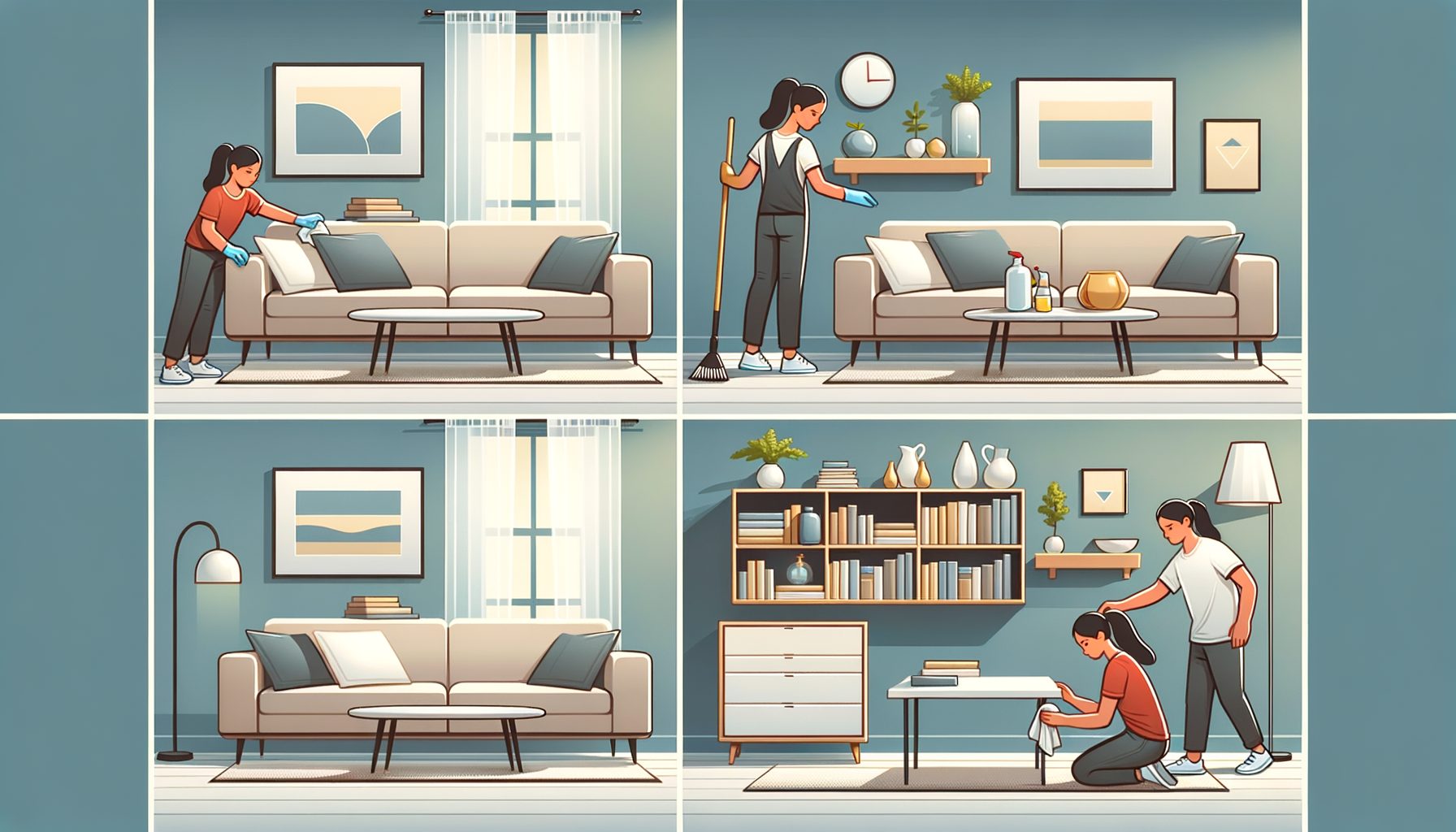
Living Room (Reset Basket, Tech Tame, Floors):
– Use a small basket for remotes, chargers, and controllers. Return them nightly.
– Coil and clip excess cables; store games and accessories in labeled pouches to reduce scatter.
– Quick dust and vacuum weekly; spot-vac daily near the sofa.
Entryway (Drop Zone):
– Create a landing strip: hooks for bags, a tray for keys/masks, a mat for shoes. If space is tight, use back-of-door hooks.
– Shoe policy: 1-in-1-out, and store off-season shoes elsewhere.
Simple as they are, the scripts compound. A 30-second shower squeegee prevents 20 minutes of scrubbing later. A nightly basket reset saves weekend clutter battles. Minimize decor and define homes for essentials, and wiping and vacuuming become fast, almost frictionless moves you can do between other tasks.
Tools, automations, and eco-smart swaps that save serious time
You need fewer tools than you think. A small, high-performing kit beats a cluttered cupboard. Put supplies in a portable caddy or—better yet—duplicate mini-kits near use points (bathroom, kitchen) so you’re not roaming the house hunting for a spray bottle.
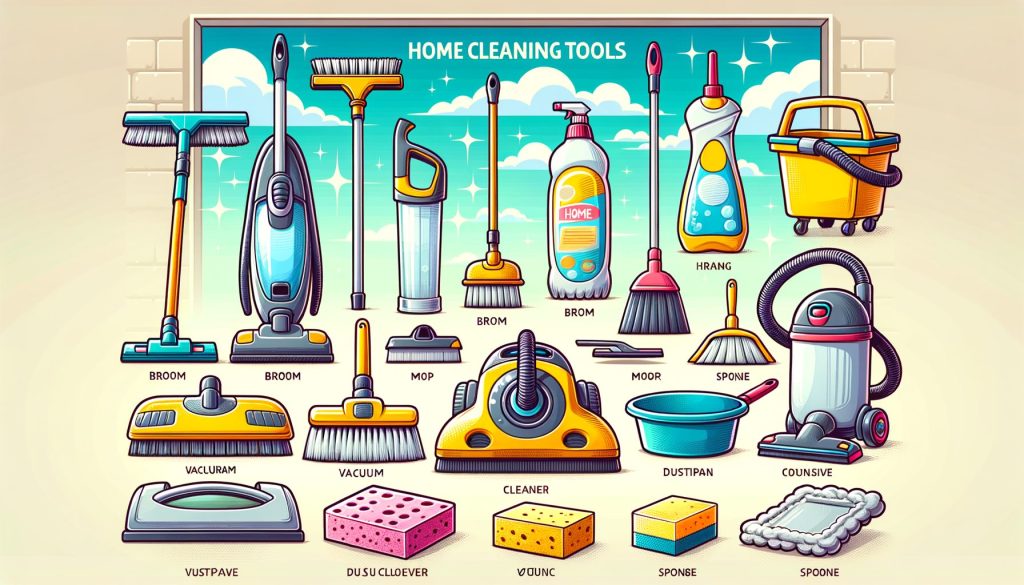
Minimalist kit:
– 6–8 microfiber cloths (color-coded by room)
– 1 all-purpose cleaner (look for third-party eco labels), dish soap
– Baking soda and distilled white vinegar (great for deodorizing, descaling, and simple glass cleaning)
– Squeegee for shower and windows
– Ergonomic broom and dustpan; a lightweight cordless or robot vacuum if budget allows
– Scrub brush, toilet brush, and a small caddy
Automations that reduce friction:
– Robot vacuum scheduled for weekdays while you’re out
– Calendar reminders: “Weekly Focus” blocks and “Monthly Refresh” tasks
– Habit stacking: wipe the vanity after brushing teeth; start the dishwasher before bed; do a 2-minute entryway reset when you get home
– A 10–15 minute “closing shift” playlist to trigger your Daily Resets
Health and sustainability tips: Favor safer cleaners and ventilate while cleaning. Reserve disinfectants for high-risk moments (after raw meat prep, sickness) to protect indoor air quality. Check for credible eco labels where available.
Typical time savings (estimates based on average households):
| Tool/Automation | Upfront Cost (USD) | Estimated Time Saved/Week | Why It Works |
|---|---|---|---|
| Microfiber cloth set | 10–20 | 15–25 min | Grabs dust fast, reduces product use, machine-washable |
| Robot vacuum | 150–500 | 30–60 min | Maintains floors daily so weekly cleans are quick |
| Shower squeegee | 8–15 | 15–20 min | Prevents soap scum; less scrubbing later |
| Caddy + duplicate mini-kits | 10–30 | 10–15 min | No hunting for supplies; encourages quick resets |
| Recurring calendar reminders | Free | 10–20 min | Eliminates decision fatigue; keeps cadence steady |
Treat the table as a guide, not a rulebook. Start lean, then add only what truly saves time. Many people find that microfiber, a squeegee, and one scheduled vacuum deliver the highest ROI. Prioritize tools that remove daily friction; your future self will thank you.
Quick Q&A: minimalist cleaning made practical
Q: How long should a minimalist routine take each day?
A: Aim for 15–25 minutes total, split into short bursts: a 10-minute evening reset, a 5-minute morning tidy, and 2–3 minute micro-moves after tasks (like squeegeeing the shower).
Q: What if I live with kids or roommates?
A: Assign micro-zones by person and time. For example, one person runs the 10-minute evening reset, another does dishes, another handles a 5-minute floor sweep. Post a one-page checklist so everyone knows the plan.
Q: Do I need to declutter before I start?
A: No. Start cleaning now to create momentum. Add a “declutter pulse” to your Monthly Refresh (one bag out). As surfaces clear, each round of cleaning will take less time.
Q: Are natural cleaners effective?
A: Soap and water are highly effective for routine cleaning. Disinfect when needed (illness, raw meat areas). Choose products with credible eco labels and ventilate during use to protect indoor air.
Q: How do I stay motivated?
A: Use habit stacking and triggers: pair your evening reset with a playlist or favorite podcast. Celebrate quick wins (a made bed, clear counters) that provide instant visual rewards.
Conclusion: make calm your default—one small habit at a time
You’ve seen how a Minimalist Cleaning Routine fixes the real problem—friction—by reducing stuff, decisions, and effort. With three simple layers (Daily Resets, Weekly Focus, Monthly Refresh), micro-zones you can clean on autopilot, and a lean toolkit, your home can stay calm and clutter-free in minutes a day. It’s not about perfection; it’s about building tiny, repeatable actions that keep your space livable, welcoming, and easy to maintain.
Here’s your next move. Today, set a 10-minute timer and run the Daily Reset: clear and wipe main surfaces, run the dishwasher or hand-wash in a quick batch, do a 2-minute spot vacuum, and take out trash if it’s 70% full. Then, open your calendar and add two recurring events: a 30-minute Weekly Focus block and a 45-minute Monthly Refresh. Finally, place a squeegee in the shower and a microfiber cloth under the bathroom sink to remove tomorrow’s friction before it starts.
Want to lock it in? Try a 7-day “Calm Home Challenge.” Each evening, do your 10-minute reset. On Day 3, set up your entryway drop zone. On Day 4, duplicate a mini cleaning kit for the bathroom. On Day 6, schedule your robot vacuum or block 15 minutes to sweep. On Day 7, do a one-bag-out declutter pulse. Track progress in your notes app, and notice how much faster everything feels by week’s end.
Your space doesn’t need more effort; it needs fewer obstacles. Start small, repeat often, and let the routine carry you. If you begin tonight, what’s the first 2-minute win you’ll grab—a made bed, a clear sink, or a quiet, crumb-free floor? Choose one, press play on a good song, and reset your home—and your headspace—before the day is over.
Outbound Links:
– Clutter and attention research (Princeton University): https://www.princeton.edu/news/2011/01/25/clutter-environment-affects-your-ability-focus
– Household chaos and stress (UCLA): https://newsroom.ucla.edu/releases/chaos-at-home-the-overwhelmed-families
– When to clean vs. disinfect (CDC): https://www.cdc.gov/hygiene/cleaning
– Safer cleaner choices (EPA Safer Choice): https://www.epa.gov/saferchoice
– Cleaning supplies and indoor air (American Lung Association): https://www.lung.org/clean-air/at-home/indoor-air-pollutants/cleaning-supplies
Sources:
– Princeton University. Clutter in the environment affects your ability to focus.
– UCLA Center on Everyday Lives of Families. Chaos at Home: The Overwhelmed Families of the 21st Century.
– Centers for Disease Control and Prevention. Cleaning and Disinfecting Your Home.
– U.S. Environmental Protection Agency. Safer Choice program.
– American Lung Association. Cleaning supplies and your health.