You are packing boxes, juggling keys, and watching your budget. The last thing you need is a surprise cleaning bill, a withheld deposit, or to move into a home that doesn’t feel truly clean. That’s where move-in, move-out cleaning can make or break the experience. Done right, it protects your wallet, your health, and your peace of mind. In the pages ahead, you’ll find essential steps, pro tips, and time-saving strategies distilled into a simple plan you can start today. Whether you’re a renter chasing a full deposit, a homeowner preparing to list, or a new resident wanting a fresh start, this move-in/move-out cleaning guide has your back.
Why Move-In Move-Out Cleaning Matters: Health, Money, and Peace of Mind
When you move, cleaning can feel like a chore you can postpone. But delaying it is costly. For renters, end-of-tenancy cleaning is one of the top reasons security deposits are reduced or withheld. Landlords do not expect a hotel-level polish, but they do expect “broom-clean” plus attention to kitchens, bathrooms, and floors. Knowing your local security deposit rules helps you anticipate what is fair and what is not; you can review general guidance here: Nolo’s overview of deposit laws. A clear, documented clean is a small investment that often pays off.
Health is another big reason. A thorough move-in clean reduces allergens, dust, and residue you cannot see. That’s especially true for air vents, fridge gaskets, cabinet interiors, and bathroom grout where moisture and particles can build up. High-touch surfaces should be cleaned and disinfected during move-in, especially after the pandemic changed hygiene expectations. For evidence-based guidance, see the CDC’s cleaning and disinfecting tips. If you prefer lower-toxicity options, look for products with the EPA Safer Choice label, which balance performance with safety.
There’s also the sanity factor. Moving is one of life’s most stressful transitions. A professional-level cleaning plan removes friction: you avoid last-minute scrambles, miscommunication with landlords, and the awkward “this wasn’t clean” message from new occupants. In practice, the most efficient approach is top-to-bottom, left-to-right, and room-by-room, with photos taken before and after. These exact methods, along with area-based time estimates and checklists, are used by professionals because they reduce rework and disputes. With a structured, realistic plan, cleaning turns from a dreaded unknown into a predictable step you can check off.
Move-Out Cleaning Checklist (Room-by-Room) to Win Back Your Deposit
Present the space in a neutral, move-in-ready condition. Work from the highest points down to the floors to avoid cleaning the same surface twice. Before you start, open windows if possible to improve airflow, empty all cabinets, and remove nails, hooks, and tape from walls. Keep a “touch-up” kit nearby: spackling paste, a matching wall paint sample, microfiber cloths, a degreaser, glass cleaner, and a vacuum with a crevice tool.
Kitchen: Degrease first; it saves hours later. Clean range hood filters, oven interior, stovetop, and backsplash. Wipe cabinet doors and handles, then clean inside cabinets and drawers with a damp cloth to remove crumbs and residue. If it’s safe, pull out the fridge, clean behind and underneath, and wipe door gaskets. Empty, defrost if needed, and clean fridge shelves and bins. The sink should be sanitized, the faucet polished, and a cleaning cycle run with a safe product for the dishwasher filter. Mop the floor last.
Bathrooms: Descale faucets and showerheads, scrub grout lines, and remove soap scum and limescale on glass and tile. Disinfect high-touch points: flush lever, faucet handles, door handles, and light switches. Use a streak-free method on mirrors (two-pass towel system: first damp, then dry microfiber). Check caulk and grout; clean thoroughly and note any areas needing repair. Wipe the insides of cabinets and drawers, and leave the exhaust fan dust-free.
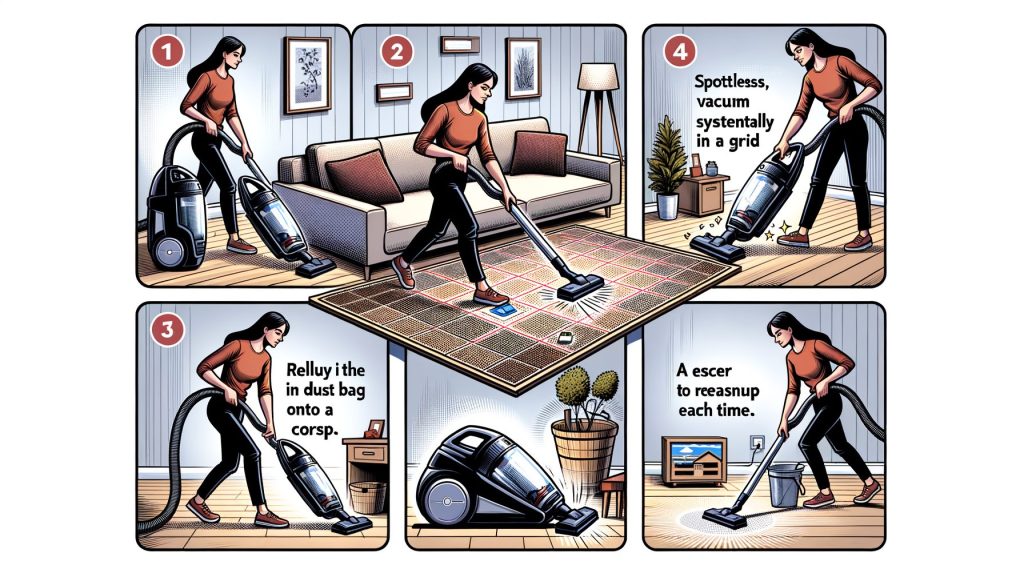
Living areas and bedrooms: Dust from top surfaces down—ceiling corners, vents, fans, and window frames. Wipe baseboards and door frames. Spot-clean walls, especially around switches and handles. For floors, vacuum edges with a crevice tool, then vacuum or mop the main areas. If the unit is carpeted, vacuum slowly in overlapping passes; consider professional hot-water extraction if heavily soiled. Don’t forget closets and storage spaces: wipe shelves, remove scuffs on doors, and ensure all personal items are gone.
Final touches: Replace any missing light bulbs, confirm all filters are clean or replaced, and leave keys, remotes, and manuals neatly labeled. Time-stamped photos should be taken for each room after cleaning. Proactive communication with the landlord or agent—share the photos and a brief checklist—often makes the difference between a smooth deposit return and a frustrating dispute.
Move-In Cleaning Checklist for a Fresh Start (Even in a New Build)
Even “brand new” homes collect construction dust and residue. Before unpacking, clean smart zones that affect health, hygiene, and daily comfort. Start with air and surfaces: run ventilation, open windows, and install a fresh HVAC filter so dust isn’t blown onto newly cleaned areas. Vacuum with a HEPA-filter vacuum to capture fine particles from corners, vents, and baseboards. Then wipe high surfaces and work downward, just as you would during a move-out clean.
Kitchen: Sanitize work surfaces before placing dishes or food. If you like, line shelves, then wipe cabinet interiors and drawers. Clean appliance exteriors and handles thoroughly. For the fridge, remove shelves and bins, wash with mild soap, rinse, and dry before restocking. Run an empty dishwasher cycle with a cleaning product and check the filter for debris. Wipe the microwave interior and turntable, and check the range hood filter.
Bathrooms: Disinfect all high-touch areas and clean mirrors, faucets, shower walls, and the tub. If water spotting shows up, use a mild descaler on glass and chrome. The exhaust fan cover should be cleaned; dust often accumulates even in new or recently cleaned homes. Some people prefer to install fresh toilet seats—a low-cost upgrade that can make the space feel new.
Living spaces: Dust window tracks, sills, blinds, and vents. Clean inside closets and wipe all shelving. For floors, start with a slow, thorough vacuum to remove grit that can scratch surfaces, then damp-mop with a cleaner matched to your floor type. If you’re sensitive to fragrances or chemicals, choose products certified under EPA Safer Choice or use simple solutions like diluted vinegar for glass and baking soda for mild abrasion where appropriate.
Safety checks: Test smoke and CO alarms, confirm stove anti-tip brackets and outlet plates are secure, and note any maintenance issues early. High-touch disinfection at move-in is quick insurance: light switches, door handles, railings, and remote controls. For hygiene science and practical steps, consult the CDC’s guidance. Once the essentials are clean, unpack with confidence knowing your home is set up for a healthy start.
Supplies, Time, and Cost: What You’ll Realistically Need (Plus DIY vs Pro)
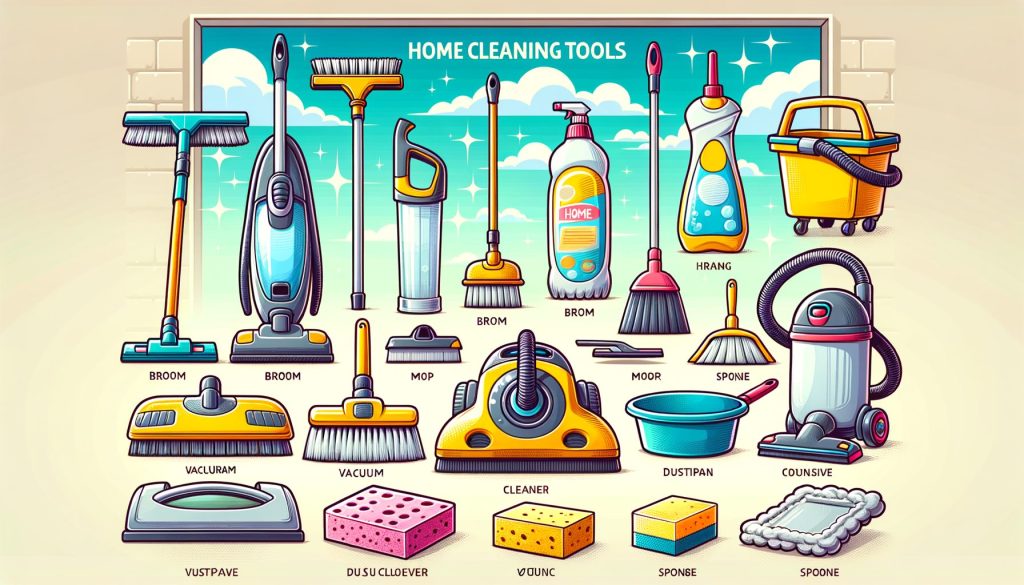
Plan your supplies and schedule to prevent burnout. You do not need a closet full of specialized chemicals. A solid kit includes a HEPA vacuum, microfiber cloths, scrub pads, a mop and bucket, all-purpose cleaner, degreaser, glass cleaner (or vinegar), grout brush, gloves, trash bags, baking soda, and an EPA Safer Choice disinfectant. Concentrates are often used by professionals to save money and reduce plastic—one bottle can mix into multiple spray bottles.
How long will it take? Empty homes clean faster than furnished spaces, but deep “turns” are still a workout. Based on common industry practices and field experience, here are realistic time ranges for a thorough move-out or move-in deep clean of an average-condition home:
| Home Size | Typical Labor Hours | Notes |
|---|---|---|
| Studio or 1 bed (up to 700 sq ft) | 4–8 hours | Add time for heavy ovens or significant limescale |
| 2 bed (700–1,100 sq ft) | 8–14 hours | Two bathrooms often increase time |
| 3 bed (1,100–1,600 sq ft) | 12–20 hours | Stairs, blinds, and grout drive extra effort |
| 4+ bed (1,600–2,400+ sq ft) | 20–35 hours | Plan in phases or with a team |
Supply costs vary by region and brand. Here’s a practical snapshot:
| Supply | Typical Cost Range (USD) | Tip |
|---|---|---|
| Microfiber cloths (12-pack) | $10–$20 | Color-code: kitchen, bath, glass |
| HEPA vacuum (rent or buy) | $25/day rental or $150–$300 buy | HEPA helps with fine dust and allergies |
| Mop and bucket | $20–$40 | Flat microfiber mops are efficient |
| All-purpose cleaner (concentrate) | $5–$12 | One bottle makes multiple refills |
| Degreaser/oven cleaner | $6–$12 | Use ventilation; follow label |
| Glass cleaner or vinegar | $3–$7 | Two-towel method = streak-free |
| Grout brush and scrub pads | $5–$15 | Small brush saves time on edges |
| Magic eraser pads | $4–$8 | Spot-test on flat paint |
| Gloves and masks | $5–$15 | Protects skin and lungs |
| Trash bags | $5–$10 | Use contractor bags for heavy loads |
| Baking soda, vinegar | $3–$6 each | Great for deodorizing and light descaling |
| EPA Safer Choice disinfectant | $6–$12 | Balanced efficacy and safety |
DIY vs Pro: If you have more money than time, a professional team can be worth it. Expect a wide range depending on size, condition, and add-ons (inside oven, inside fridge, windows): roughly $200–$800+ or $0.15–$0.35 per sq ft in many markets. To vet a provider, ask for a written scope of work, confirm they follow recognized standards (for example, look for affiliations with ISSA or technicians certified by IICRC for specialized services), request proof of insurance, and check reviews with photos. If you DIY, block focused time, set a room-by-room plan, and take before/after photos for your records. Either way, clarity and documentation reduce friction—and stress.
FAQs: Move-In and Move-Out Cleaning
Q: What should I clean first when moving out?
A: Start high and dry: dust ceilings, vents, and fans, then tackle kitchens and bathrooms where grease and limescale need dwell time. Finish with floors last so you don’t re-soil them while working.
Q: Do landlords require professional cleaning receipts?
A: It depends on your lease and local laws. Many do not require receipts—only a clean condition. Document your results with time-stamped photos and keep your checklist to support your case if there is a dispute. For general legal context, see Nolo’s deposit resources.
Q: Is disinfecting necessary during move-in?
A: Routine cleaning is usually enough, but disinfecting high-touch points at move-in provides quick peace of mind. Follow evidence-based guidance like the CDC’s recommendations and use products as directed.
Q: How do I clean walls without damaging paint?
A: Start with a barely damp microfiber cloth and mild soap. Spot-test first. Use melamine foam (magic eraser) gently on scuffs, avoiding flat or matte paint where it can burnish the finish.
Q: Are eco-friendly cleaners strong enough for move-out?
A: Yes, if you use them correctly. Look for the EPA Safer Choice label and give products proper dwell time. Combine with mechanical action—microfiber, brushes, and hot water—to boost results.
Conclusion: Your Clean Slate Starts Now
Here’s the bottom line: move-in/move-out cleaning is the lever that protects your deposit, safeguards your health, and lowers stress in an already chaotic week. You learned why it matters, exactly how to clean room-by-room, what to prioritize during move-in for a truly fresh start, and how to budget time, supplies, and potential pro help. The playbook is simple: plan top-to-bottom, kitchen and bath first, floors last, and document everything with photos. Use safer, effective products and proven techniques; you’ll work faster and get better results.
Take action today. Block time on your calendar, gather your supply kit, and copy the essentials from this guide into a checklist that fits your home. If you’re short on time, get quotes from two or three reputable pros and compare their scope of work and availability. Whether you DIY or hire help, clarity is your best friend: a clear plan, clear expectations, and a clean finish.
Your next home deserves a clean slate—and you deserve the confidence that comes with it. Start now, keep it simple, and celebrate the fresh start you’re creating. What’s the first room you’ll tackle today? Choose it, set a timer, and turn momentum into a sparkling result. You’ve got this.
Sources
Centers for Disease Control and Prevention (CDC) – Cleaning and Disinfecting Your Home: https://www.cdc.gov/handwashing/cleaning-and-disinfecting-your-home.html
U.S. Environmental Protection Agency (EPA) – Safer Choice: https://www.epa.gov/saferchoice
Nolo – Security Deposit Laws: https://www.nolo.com/legal-encyclopedia/security-deposit-laws
ISSA – The Worldwide Cleaning Industry Association: https://www.issa.com
IICRC – Institute of Inspection, Cleaning and Restoration Certification: https://iicrc.org