You want a fresh start, but life is busy and mess stacks up fast. Enter a clear, action-ready spring cleaning checklist—it can make all the difference. In a world of endless to-dos, a structured room-by-room deep clean cuts decision fatigue, wipes hidden allergens, and turns your space into a calmer, healthier place to live. Well, here it is: a practical, step-by-step plan you can follow today—no perfectionism required—so your spring cleaning actually gets done and stays done.
Why Spring Cleaning Matters More Than You Think
Most people don’t struggle with cleaning because it’s difficult; the problem is that it’s undefined. Without a targeted plan, you jump from task to task, get distracted by clutter, and finish the day without the “deep clean” you hoped for. Meanwhile, dust, pollen, and pet dander build up in soft surfaces and vents. Indoor air quality is hit when dust and pollutants linger in carpets, bedding, and HVAC systems. Guidance from the U.S. Environmental Protection Agency can help, especially during seasonal transitions when windows open and allergens enter. Explore more at the EPA’s Indoor Air Quality page (epa.gov/indoor-air-quality-iaq).
There’s also a health angle. Dust mites, mold spores, and bacteria thrive in damp, dark, or textile-heavy areas—think mattresses, bathrooms, and under-sink cabinets. What’s interesting too, simple routines recommended by the U.S. Centers for Disease Control and Prevention go a long way: wipe high-touch surfaces, clean bathrooms well, and use products as directed for safety and effectiveness. If allergies or asthma are a concern, HEPA-filter vacuums and good ventilation can be valuable additions (see CDC cleaning and hygiene guidance at cdc.gov/hygiene/cleaning).
Mentally, mess drains attention. Every pile, un-shelved item, and sticky countertop creates micro-decisions that wear you down. A targeted spring cleaning checklist removes the guesswork. It replaces vague goals (“clean the house”) with clear steps (“vacuum sofa crevices; wash pillow protectors; descale showerhead; wipe baseboards”). With clarity comes momentum—and visible results. The same approach also saves money over time: maintaining appliances, sealing gaps, and rotating mattresses prevents damage, extends lifespan, and reduces energy waste. When you follow a room-by-room plan and set realistic time blocks, overwhelm is reduced and a home is built that supports your goals, not one that constantly asks for your energy.
Room-by-Room Spring Cleaning Checklist (Deep Clean Steps)
Use this section as your live action plan. Move top to bottom in each room to avoid re-dusting freshly cleaned surfaces. Keep a “Donate,” “Recycle,” and “Trash” bag nearby so clutter never returns to shelves.
Kitchen
– Clear and clean: Empty countertops, toss expired foods, and wipe every surface. Pull small appliances forward and clean the crumb zones.
– Appliances: Degrease the stovetop and range hood filters; run your oven’s cleaning cycle or use a baking soda paste if you prefer a low-odor method. Wipe refrigerator gaskets, shelves, and drawers; clean and dry thoroughly before restocking. If accessible, carefully vacuum fridge coils to improve performance (check your manufacturer’s guidance first).
– Sinks and plumbing: Scrub sink, faucet aerators, and disposal splash guard. Run ice and citrus rinds through the disposal for odor control, then flush with hot water.
– Storage reset: Group items by use—baking, breakfast, prep—and label. Keep daily-use tools within arm’s reach; store once-a-month tools higher or farther back.
Bathroom
– Mineral buildup: Descale showerheads and faucets (soak in vinegar if compatible). Scrub tile and grout; use a squeegee after showers to prevent future haze.
– Hygiene surfaces: Disinfect high-touch points (toilet flush, faucet handles, light switches). Replace or wash shower liners and bath mats. Check under-sink cabinets for leaks and mold—empty, clean, and add breathable storage bins.
– Ventilation: Clean exhaust fan covers; run the fan during showers and for 20 minutes after. Good airflow helps reduce moisture and odors.
Bedroom
– Bedding: Wash pillows (if washable), duvets, and covers. Vacuum mattresses thoroughly and rotate or flip per manufacturer guidance. Add or replace pillow and mattress protectors for allergen control.
– Closets: Pull everything out. Donate items you haven’t worn in a year. Wipe shelves and rods; re-hang by category and color for faster mornings.
– Air quality: Dust lamp shades, headboards, baseboards, and vents; vacuum under the bed using a crevice tool. Keep nightstands minimal—phone, lamp, water—so bedtime feels calmer.
Living Room and Common Areas
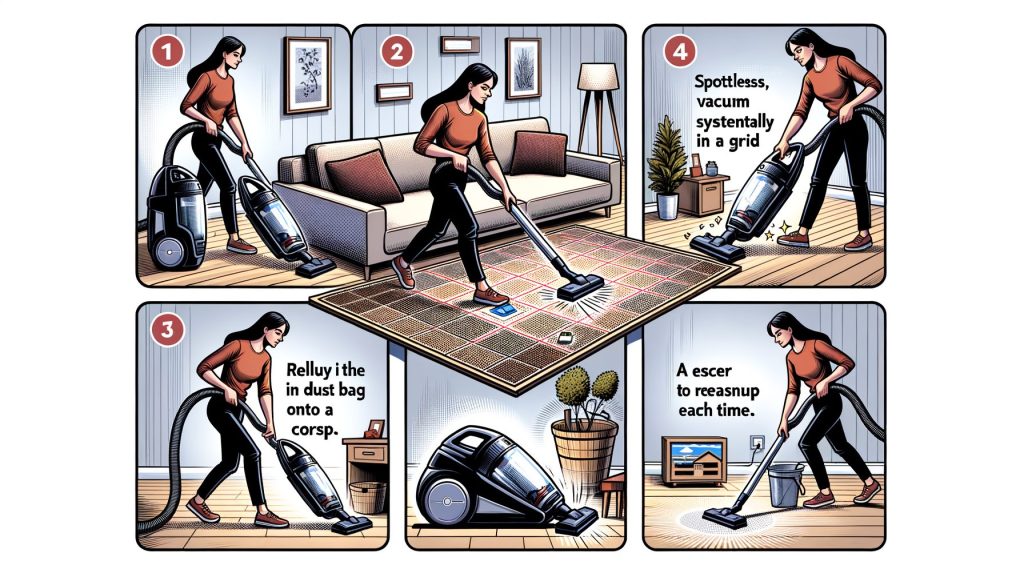
– Soft surfaces: Vacuum sofas and chairs (including under cushions and in seams). Launder removable covers. Roll up rugs to vacuum underneath; if possible, rotate rugs to spread wear.
– Electronics and media: Dust screens and remotes; organize cords with velcro ties and label chargers. Clear coffee table clutter; create a tray for remotes and coasters.
– Entryways: Shake out mats; clean shoe racks; add a bin for keys and mail to prevent pile-ups.
Windows and Walls (All Rooms)
– Windows: Wipe frames, sills, and tracks; clean interior glass and screens. If you open windows often, consider a schedule to clean screens seasonally.
– Walls and trim: Spot-clean scuffs, wipe baseboards, and dust ceiling corners for cobwebs. Replace any burnt-out bulbs and clean light fixtures for brighter rooms.
Laundry/Utility
– Machines: Run a washer cleaning cycle or use a drum cleaner; remove lint from the dryer trap and vacuum around the dryer vent area (professional vent cleaning is recommended periodically).
– Supplies: Consolidate duplicates; store in clear bins. Label by category (detergent, stain removers, delicate care). Keep a “lonely socks” basket to cut visual mess.
Tip: If you have limited time, set a 25-minute timer per zone and complete one high-impact task (e.g., vacuum upholstery, clean range hood filters, or wash bedding). Stack these wins across the week for a full deep clean without burnout.
Time-Saving Systems, Tools, and Eco Choices
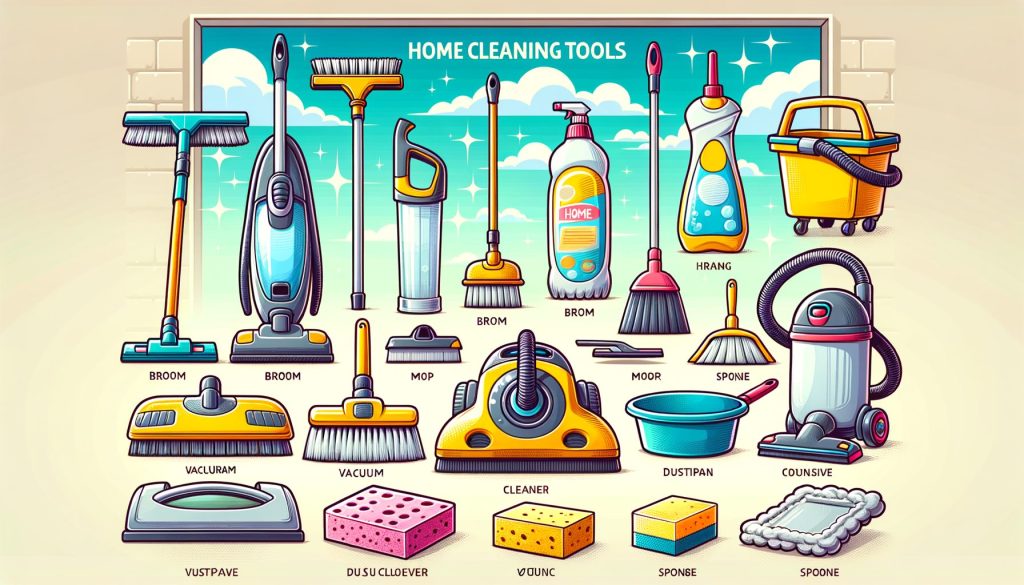
Great results come from good systems, not expensive gadgets. Begin by choosing multipurpose supplies that are safe for the surfaces in your home, and follow label instructions. A basic kit often beats a crowded cabinet: microfiber cloths, a HEPA vacuum, a bucket, an all-purpose cleaner, a degreaser, a glass cleaner, a disinfectant when needed, a scrub brush, and baking soda/vinegar for compatible jobs. Add protective gloves and a simple caddy so tools travel with you from room to room. Keep a second set of cloths and sponges to avoid cross-contamination between bathrooms and kitchens. When possible, ventilate by opening windows or using fans. For guidance on cleaning and disinfection basics, the CDC provides practical, easy-to-follow tips (cdc.gov/hygiene/cleaning).
If you prefer lower-waste options, choose reusable microfiber cloths and washable mop pads. Check any “green” product claims against credible certifications in your region, and never mix chemicals (especially bleach and ammonia)—it’s dangerous. For tough tasks like oven cleaning, test a small area first and wear gloves. For allergen reduction, a vacuum with a sealed HEPA system can capture fine particles from carpets and upholstery; empty canisters outdoors if possible to avoid re-releasing dust.
To plan your time, use realistic estimates. Batch similar tasks (all windows, all baseboards) to stay in “flow,” or finish one room fully if you need a psychological win. Use these time guidelines as a starting point, then adjust for home size and condition.
| Task | Tool | Why It Helps | Typical Time | Frequency |
|---|---|---|---|---|
| Vacuum upholstery and mattresses | HEPA vacuum + crevice tools | Reduces dust and allergens in soft surfaces | 20–40 minutes | Monthly; deep clean seasonally |
| Degrease range hood filters | Degreaser + hot water | Improves ventilation and cooking air quality | 15–25 minutes (soak + rinse) | Quarterly |
| Descale showerheads/faucets | Compatible descaler or vinegar | Restores flow; reduces mineral buildup | 30–60 minutes soak time | Quarterly |
| Wash pillows/duvets (if washable) | Gentle detergent + low-heat dry | Freshens bedding; supports sleep quality | 1–2 hours (machine time) | Seasonally |
| Clean fridge interior and gaskets | Mild cleaner + microfiber | Hygiene; helps maintain consistent temperature | 30–45 minutes | Monthly light, seasonal deep |
If you’re unsure which products to use on a surface, check the manufacturer’s care instructions online. For appliances and fixtures, the brand’s support page often has specific cleaning do’s and don’ts that can prevent damage and keep warranties intact.
A Weekly-to-Seasonal Maintenance Plan You Can Actually Stick To
Deep cleans last longer when you follow a lightweight, repeatable plan. Think of it as a rhythm, not a rulebook. Start with a weekly reset, add a monthly focus, and rotate seasonal tasks so nothing piles up. Keep it simple: set a recurring calendar event (15–60 minutes), pick one micro-area each time, and stop when the timer ends. Over a few weeks, your home stays clean without marathon sessions.
Weekly reset (30–60 minutes): Do the dishes, clear surfaces, wipe counters and bathroom vanity, vacuum high-traffic floors, and take out trash/recycling. Put things back where they belong. If you live with others, assign quick roles—one person handles floors, another handles surfaces—to finish faster.
Monthly focus (60–90 minutes): Choose one zone: kitchen (appliances and cabinets), bedroom (bedding and under-bed), bathroom (grout and vent), living room (upholstery and electronics), or entry/laundry (shoes, machines). Rotate zones so each gets attention every few months. If energy is low, aim for one “anchor task” (e.g., wash bedding) and one “nice-to-have” (wipe baseboards).
Seasonal deep clean (half-day or split across a weekend): Follow the room-by-room spring cleaning checklist in this guide. Add seasonal extras like washing windows and screens, flipping or rotating the mattress, cleaning the dryer vent area, and decluttering closets for donation. Schedule the deep clean when weather is mild for better ventilation and faster drying of washed items.
Small habit stacks: Keep disinfecting wipes or a cloth near sink areas for quick daily wipe-downs. Run the dishwasher overnight. Start laundry before breakfast; fold while streaming a show. Put a donation bag in your closet year-round so items leave as soon as you stop using them. The goal isn’t perfection; it’s flow—tiny daily wins that protect your bigger clean.
Finally, protect your time. If you already have a packed weekend, split the deep clean across five weekdays: 20–30 minutes each for kitchen, bath, bedroom, living, and entry/laundry. You’ll still see major results without sacrificing your entire day off.
Safety, Donations, and Responsible Disposal
Clean smarter and safer. Always read product labels and never mix chemicals (especially bleach and ammonia) due to hazardous fumes. Use gloves, ventilate by opening windows or using fans, and store products out of reach of children and pets. When using strong cleaners, take breaks and keep the area ventilated. For surfaces that touch food—like kitchen counters—use products intended for those areas and follow directions for contact time and rinsing if required.
Decluttering is part of cleaning. Keep a box ready for items in good condition and donate responsibly. Many communities have local charities that accept clothing, household goods, and small appliances. Check your nearest donation center’s guidelines before dropping off; organizations like Goodwill share up-to-date donation info on their sites (goodwill.org/donate). If items aren’t donation-ready, consider local buy-nothing or community groups to reduce waste.
For broken electronics, dead batteries, and fluorescent bulbs, use community recycling programs. Search by item and location using services like Earth911’s recycling locator (earth911.com). If you need to dispose of chemicals (old paint, solvents, cleaners), look for your city’s household hazardous waste collection days and follow their instructions. Responsible disposal keeps your home safe and helps the environment.
Lastly, consider home safety checks while you clean: test smoke and carbon monoxide alarms, replace batteries if needed, and verify that fire extinguishers are accessible and within service dates. A clean home is a safer home—build these checks into your seasonal routine so they never get missed.
Frequently Asked Questions
How long does a full spring deep clean take?
It depends on home size and clutter. A studio might take 3–5 hours, while a multi-bedroom home could take a full day or a weekend. Split it across the week if that fits your schedule better—consistency beats intensity.
What should I clean first?
Start with high-impact zones you use daily: kitchen and bathroom. Then tackle bedrooms for better sleep, followed by living areas and entryways. Always clean top to bottom and leave floors for last.
Are natural cleaners enough for a deep clean?
For many tasks, yes—especially degreasing, descaling, and general surface cleaning. For disinfection needs, use products approved for the job and follow label directions, including contact time. Ventilate and avoid mixing products.
How do I keep results from fading in two weeks?
Add a weekly 30–60 minute reset, rotate a monthly focus zone, and keep a donation bag handy. Use small habit stacks like wiping counters nightly and vacuuming high-traffic areas midweek to maintain momentum.
Conclusion
Spring cleaning works best when it’s simple, strategic, and repeatable. In this guide, you learned why a structured spring cleaning checklist matters—for mental clarity, air quality, and long-term maintenance—and exactly how to deep clean your home room by room. You’ve got clear steps for kitchens, bathrooms, bedrooms, living areas, windows, and utility spaces; practical tools and time estimates; a weekly-to-seasonal plan you can actually sustain; and safety, donation, and disposal tips to keep the process responsible and eco-aware.
Now it’s your move. Pick one room and set a 25-minute timer today. Print or bookmark this checklist. Put three bags by the door—Donate, Recycle, Trash—and start clearing what you no longer need. When the timer ends, stop, drink water, and appreciate the progress. Do the next room tomorrow. By the end of the week, you’ll feel the shift: lighter air, calmer mornings, and a home that supports your goals instead of stealing your focus.
If you’re ready to go deeper, schedule your seasonal tasks on your calendar, share this guide with a roommate or family member, and rally a mini “clean team” for accountability. Use the table and maintenance plan to stay on track without burnout. Little actions compound: one drawer, one filter, one set of baseboards. Keep the momentum, and your space will keep giving back—more energy, more clarity, more time.
Your home is the stage for your next season. Reset it with purpose, one room at a time. What’s the first 25-minute task you’re starting today?
Sources
U.S. Environmental Protection Agency — Indoor Air Quality: https://www.epa.gov/indoor-air-quality-iaq
U.S. Centers for Disease Control and Prevention — Cleaning and Disinfecting Your Home: https://www.cdc.gov/hygiene/cleaning
Earth911 — Recycling and Local Disposal Finder: https://earth911.com/
Goodwill — Donation Guidelines and Locators: https://www.goodwill.org/donate